Benefits of Combining Nutrition Counseling with Fitness Goals

```html
You spend hours at the gym every week, but the scale barely moves and your energy crashes halfway through workouts. The truth is that nutrition counseling and exercise work together like a lock and key, and most people are trying to open the door with only half the solution. When you match what you eat to how you train, everything from muscle recovery to fat loss suddenly clicks into place in ways that workouts alone can never achieve.
```
Table of Contents
- How Your Body Actually Uses Food for Fitness
- Personalized Nutrition Plans Match Your Workout Style
- The Performance Benefits You'll Actually Notice
- What Professional Nutrition Counseling Actually Includes
- Why DIY Nutrition Plans Often Fall Short
- Your Next Steps Toward Integrated Wellness
- Common Questions About Nutrition and Fitness
How Your Body Actually Uses Food for Fitness
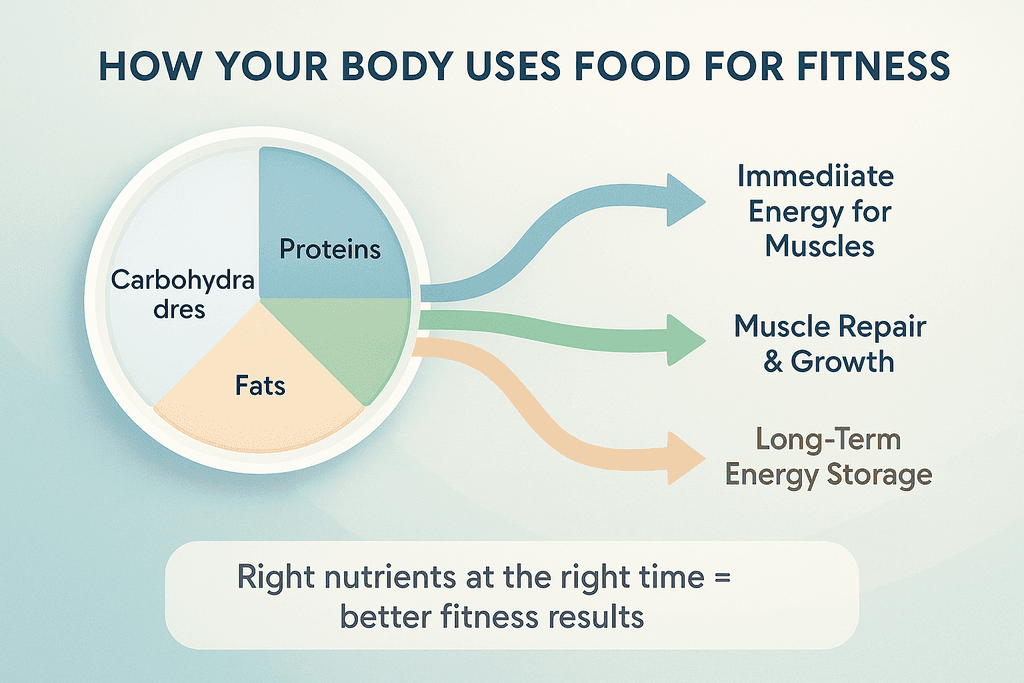
Your body runs on food the same way a car runs on gas, but it's way more complicated than just filling up the tank. Every bite you eat gets broken down into different types of fuel that your body uses in specific ways. When you're working out, your muscles need certain nutrients at certain times to perform well and recover properly. Getting this timing and balance wrong is one of the biggest reasons people hit walls with their fitness goals, even when they're putting in serious effort at the gym.
The Three Fuel Types Your Body Needs
All food breaks down into three main categories called macronutrients. Each one does something different for your workouts and recovery. Understanding these basics changes how you think about every meal you eat around your training schedule.
| Macronutrient | Main Job for Fitness | Best Timing |
|---|---|---|
| Protein | Repairs and builds muscle tissue | Within 2 hours after workouts |
| Carbohydrates | Provides quick energy for exercise | Before and during workouts |
| Fats | Supports hormones and long-term energy | Throughout the day, not right before training |
Most people know protein builds muscle, but they miss how important carbs are for actually having energy to lift heavy or run fast. Fats often get a bad reputation, but they're essential for hormone production, which directly affects how well you build muscle and burn fat.
Why Meal Timing Matters More Than You Think
Eating the right foods at the wrong times can waste a lot of your hard work. Your body processes nutrients differently depending on what you're doing and when you last exercised. The window right after a workout is when your muscles are basically begging for protein and carbs to start the repair process.
- Eating carbs before training gives you the energy to push harder during your session
- Protein after workouts helps repair the tiny muscle tears that make you stronger
- Going too long without eating after exercise slows down recovery significantly
- Heavy fats right before training can make you feel sluggish and slow
At Caleyo Wellness, our nutrition counseling and exercise programs use personalized meal timing strategies based on your specific workout schedule and goals. We don't just hand you a generic meal plan and hope it works.
Common Mistakes That Kill Your Progress
Even people who think they're eating healthy often make simple mistakes that sabotage their results. The problem is that nutrition for active lifestyles isn't the same as just "eating clean" or following whatever diet is trending on social media right now.
- Not eating enough protein to support muscle growth and recovery
- Cutting carbs too low and having no energy for workouts
- Following the same diet plan as someone else without considering your unique metabolism
- Skipping meals and then overeating later in the day
- Drinking too little water, which affects every single body function
Your metabolism is as unique as your fingerprint. Two people doing the exact same workout and eating the exact same foods will get different results because their bodies process nutrients differently. This is why cookie-cutter diet plans for fitness fail so often, and why personalized nutrition counseling makes such a huge difference in actual results.
Personalized Nutrition Plans Match Your Workout Style
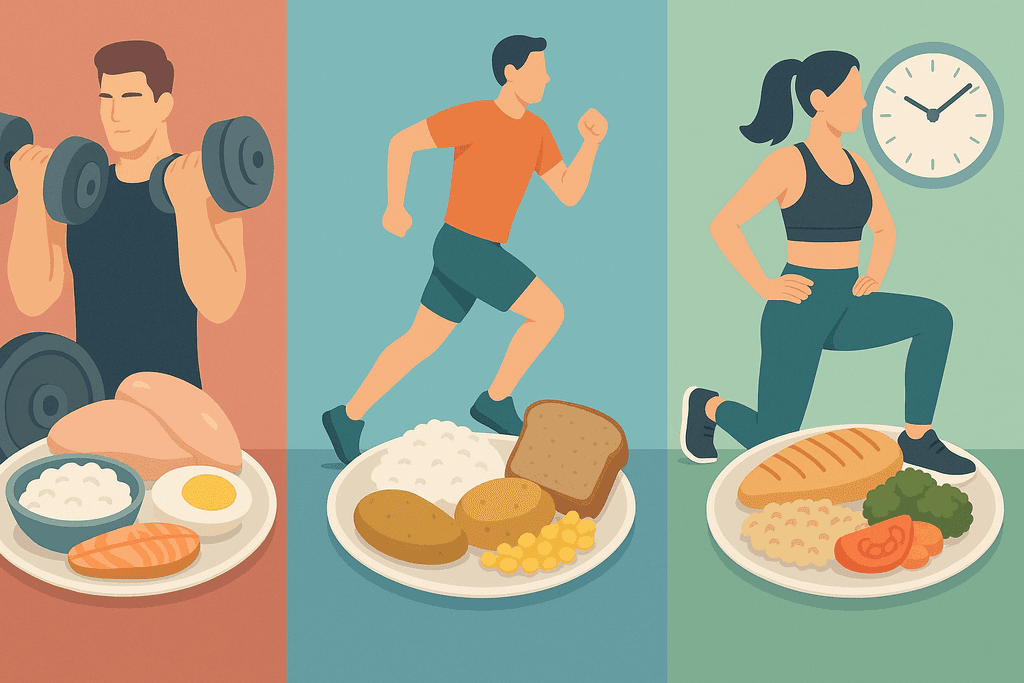
Most people who work out regularly eat the same way every day, regardless of whether they're lifting weights, running miles, or doing high-intensity intervals. That's like putting regular gas in a race car and expecting it to perform at its best. Your body needs different fuel depending on what you're asking it to do, and this is where nutrition counseling and exercise planning becomes essential. A registered dietitian looks at your specific workout routine and builds a nutrition strategy around it, not the other way around. The difference between generic diet advice and personalized nutrition counseling is like the difference between following a YouTube workout video and having a personal trainer who knows your body.
Personalized Nutrition Plans Match Your Workout Style
When you're doing strength training, your muscles are literally tearing and rebuilding themselves. This process requires higher protein intake and strategic carbohydrate timing to fuel those heavy lifts and support recovery. Someone training for a marathon needs a completely different approach, with more emphasis on sustained energy and glycogen storage.
- Strength training typically requires 0.7-1 gram of protein per pound of body weight, with carbs timed around workouts
- Endurance athletes need higher overall carbohydrate ratios, sometimes 60-65% of total calories
- HIIT workouts demand quick-digesting carbs before sessions and protein-carb combinations after
- Yoga or Pilates practitioners often do better with balanced macros and focus on anti-inflammatory foods
A registered dietitian creates custom diet plans for fitness by calculating your exact needs based on your training volume, intensity, and goals. For example, someone trying to build muscle while losing fat needs precise macronutrient targets that change on training versus rest days. Research shows that combined nutrition and physical activity interventions produce significantly better results than exercise alone.
The Performance Benefits You'll Actually Notice
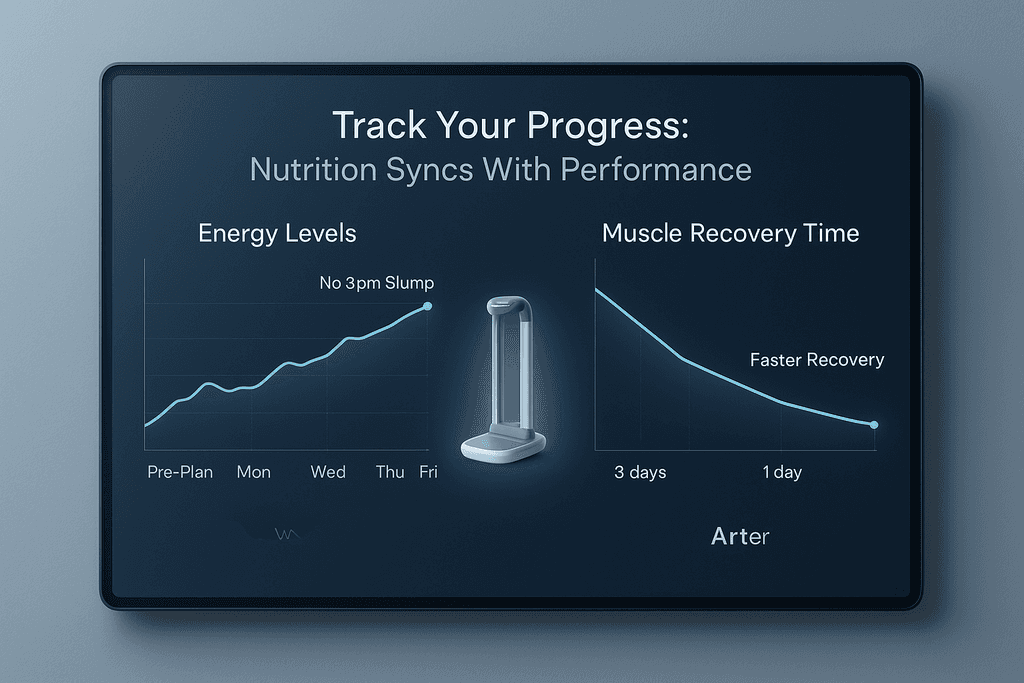
The real test of any nutrition plan is what happens in the gym or on the track. When your nutrition matches your training, you'll notice changes within the first week or two. Your energy levels stop crashing halfway through workouts, and that 3pm slump that used to derail your evening training session disappears. These aren't subtle changes that you have to squint to see in the mirror.
The Performance Benefits You'll Actually Notice
Faster recovery is usually the first thing people notice. That muscle soreness that used to last three days after leg day might only stick around for one. You can train harder more often because your body is actually getting what it needs to repair itself.
Body composition changes happen differently when nutrition and training are aligned. You're not just losing weight on the scale. You're building muscle while losing fat, which is what most people actually want but struggle to achieve. The scale might not move as dramatically, but your clothes fit differently and your strength numbers keep climbing.
- Energy levels stay consistent throughout entire workout sessions
- Muscle soreness decreases by 30-40% with proper post-workout nutrition
- Strength gains improve when protein timing matches training schedule
- Mental focus during training sessions becomes noticeably sharper
At Caleyo Wellness, we track these improvements using 3D body scanning technology that shows exactly where you're gaining muscle and losing fat. This isn't just stepping on a scale and hoping for the best. The AI-powered scanner provides precise body composition metrics that show whether your nutrition for active lifestyles is actually working or needs adjustment.
What Professional Nutrition Counseling Actually Includes
Walking into your first nutrition counseling session is nothing like getting generic meal plans from an app or website. A professional assessment starts with understanding your current metabolic state and body composition, not just your weight. This means looking at how efficiently your body uses energy, where you're storing fat versus muscle, and what your actual caloric needs are based on your activity level. Emmanuel Pelayo, who combines his expertise as both a registered dietitian and nurse practitioner, approaches nutrition counseling as a medical intervention, not just meal planning. The goal is to identify what's actually holding back your fitness results, which often isn't what people expect.
The initial assessment includes metabolic testing and body composition analysis that reveals your starting point. From there, your dietitian calculates personalized macronutrient targets based on your specific goals, whether that's building muscle, losing fat, or improving athletic performance.
Meal timing strategies get mapped around your actual workout schedule. If you train at 6am, your nutrition plan looks completely different than someone who hits the gym after work. This level of customization is why professional counseling works when generic plans fail.
- Complete metabolic and body composition assessment using advanced technology
- Personalized macronutrient calculations based on your training type and goals
- Meal timing protocols designed around your workout schedule
- Evidence-based supplement recommendations when nutritional gaps exist
- Regular progress tracking with plan adjustments every 2-4 weeks
- Integration with medical weight management when appropriate
Studies confirm that combined diet and physical activity interventions produce better outcomes than either approach alone. The key is having someone who understands both sides of the equation and can adjust your plan as your body adapts. Your nutrition needs in month one look different than month three, and a good counselor tracks these changes and modifies your approach accordingly.

Why DIY Nutrition Plans Often Fall Short
The gap between what looks good on Instagram and what actually works in your body is bigger than most people realize. When you're scrolling through fitness content at midnight, it's easy to believe that the influencer with six-pack abs has all the answers for your specific metabolism, workout schedule, and health history. But here's the thing—most of these popular voices have zero formal training in nutrition counseling and exercise science. They're sharing what worked for them, which might be the exact opposite of what your body needs. The trial-and-error approach might seem free at first, but the hidden costs add up fast when you consider wasted supplement money, stalled progress, and the frustration of spinning your wheels for months.
The Real Problems With Generic Approaches
Those calorie calculator apps treat everyone like they're the same person. They can't see that your metabolism runs differently than the algorithm expects, or that your thyroid levels affect how you process carbs. Generic recommendations miss the details that actually matter for nutrition for active lifestyles.
- Social media fitness personalities rarely have credentials in nutrition science or dietetics
- Free online calculators use basic formulas that ignore individual metabolic rates and health conditions
- Most DIY plans lead to common mistakes like eating too little protein or cutting calories so low that your body holds onto fat
- The trial-and-error method wastes months of potential progress while you figure out what doesn't work
What Medical-Grade Guidance Actually Means
Professional nutrition counseling isn't just fancier advice. At Caleyo Wellness, our registered dietitian works alongside board-certified medical providers who understand how weight management intersects with your overall health picture. This means your diet plans for fitness account for things like hormone levels, medication interactions, and metabolic factors that no app can measure.
| DIY Nutrition Approach | Professional Counseling |
|---|---|
| Generic calorie targets from apps | Metabolic testing and personalized calculations |
| One-size-fits-all macro splits | Customized ratios based on your activity and goals |
| Guessing at supplement needs | Lab-based recommendations for actual deficiencies |
| No accountability or adjustments | Regular check-ins with data-driven plan modifications |
Research on nutritional counseling in athletes shows that professional guidance leads to better performance outcomes and fewer nutrition-related setbacks. The difference comes down to having someone who can interpret your body's signals and adjust your plan before small issues become big problems.
Your Next Steps Toward Integrated Wellness
Here's what we've covered: nutrition counseling and exercise work better together than either one alone. When you match your eating to your training, you recover faster, build more muscle, and actually see the changes you're working for. Most people spend months or years guessing at what might work, when the right guidance could get them there in half the time.
The difference comes down to personalization. Generic diet plans for fitness don't account for your metabolism, your schedule, or what you actually enjoy eating. That's where professional support changes everything.
At Caleyo Wellness, our dual board-certified providers combine medical expertise with registered dietitian knowledge to create plans that fit your specific body and goals. We use tools like 3D body scanning to track exactly what's working, so you're never left wondering if you're making progress. This kind of precision matters when you're serious about results.
The best part is you don't have to commit to anything before talking to someone. We offer a free 15-minute discovery call where you can discuss your goals and see if our approach makes sense for you. No pressure, just honest conversation about what nutrition for active lifestyles actually looks like when it's done right.
If you're tired of spinning your wheels with workouts that don't match your eating habits, it might be time to stop guessing. Professional guidance exists for a reason, and the people who use it tend to get where they're going a lot faster than those who don't.
Common Questions About Nutrition and Fitness
When you're trying to get better results from your workouts, questions about nutrition counseling and exercise naturally come up. Most people wonder if they need to completely overhaul their diet or follow some trendy eating plan they saw online. The truth is that good nutrition counseling and exercise work together in ways that are simpler than you might think, but the details matter more than most people realize.
How soon will I see results from nutrition counseling?
Most people notice changes in their energy levels and workout performance within the first two weeks of following a personalized nutrition plan. Physical changes like fat loss or muscle gain typically become visible around the four to six week mark, though this varies based on your starting point and goals. The key is that nutrition for active lifestyles needs consistency, not perfection.
Do I need to follow a specific diet like keto or paleo?
Not at all. While trendy diet plans for fitness get a lot of attention, they're not necessary for everyone. A registered dietitian will look at your lifestyle, preferences, and fitness goals to create something that actually works for you long-term. At Caleyo Wellness, our nutrition counseling focuses on sustainable eating patterns rather than restrictive diets that most people can't stick with.
How often should I meet with a nutritionist?
Starting out, most people benefit from meeting every two to four weeks to dial in their plan and make adjustments. Once you've got a solid routine going, monthly check-ins are usually enough to keep you on track and adapt to any changes in your training or goals.
Can nutrition counseling help with specific fitness goals like muscle gain?
Yes, and this is where professional guidance really makes a difference. Building muscle requires precise protein timing and calorie management that's hard to figure out on your own. A dietitian can calculate exactly what you need and when you need it, which is why nutrition counseling and exercise produce better results together than either one alone.
What's the difference between a nutritionist and a registered dietitian?
A registered dietitian (RDN) has completed specific education requirements, passed a national exam, and maintains continuing education credits. The term "nutritionist" isn't always regulated and can mean different levels of training. When you're serious about results, working with an RDN ensures you're getting evidence-based advice.
How does nutrition counseling work with medical weight management programs?
Nutrition counseling becomes even more important when you're using medical interventions for weight loss. The combination helps you maximize results while maintaining muscle mass and energy for your workouts. Our medical weight management programs at Caleyo Wellness include nutritional support from the start because diet plans for fitness need to account for any medications or metabolic changes you're experiencing.