Debunking Myths About Injectable Fillers for First-Timers
```html
You've probably scrolled past dozens of before-and-after photos wondering if those results are even real, or if everyone who gets fillers ends up looking like a different person. The truth is, most of what you've heard about injectable fillers is based on outdated information or the rare horror stories that go viral. At Caleyo Wellness, we see first-timers every week who are surprised to learn that modern dermal fillers are safer, more natural-looking, and more customizable than they ever imagined.
```
Table of Contents
- What Injectable Fillers Actually Are
- Myth 1: Fillers Look Fake and Overdone
- Myth 2: Fillers Are Painful and Have Terrible Side Effects
- Myth 3: Once You Start Fillers, You Can't Stop
- Myth 4: Fillers Are Only for Older People
- Why These Myths Persist and What Changed
- Your Next Steps Toward Confident Decisions
- Common Questions About First-Time Fillers
What Injectable Fillers Actually Are
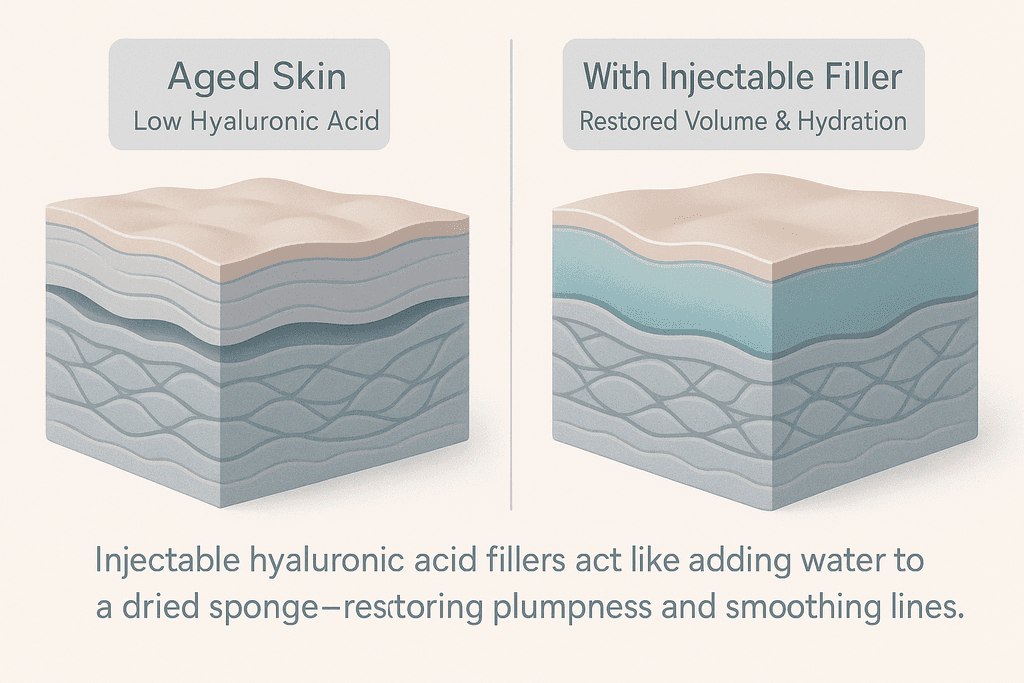
Injectable fillers are gel-like substances that doctors and trained providers inject beneath your skin to add volume, smooth out lines, or reshape certain areas of your face. Most fillers today are made from hyaluronic acid, which is a natural substance your body already makes to keep skin hydrated and plump. Think of it like adding water back to a dried-out sponge. As we age, our bodies produce less hyaluronic acid, which is why skin starts to sag and wrinkle over time. Fillers simply replace what time has taken away, giving your face back some of its youthful fullness.
The FDA carefully reviews and approves dermal fillers before they can be used in the United States. This means they've been tested for safety and effectiveness. At Caleyo Wellness, our dual board-certified providers use only FDA-approved products during treatments, so you know you're getting something that's been thoroughly checked.
How Fillers Work Under Your Skin
When a provider injects filler into your skin, it does a few different things depending on where it's placed and what type is used. The gel sits in the deeper layers of your skin and physically fills in spaces that have lost volume. Some fillers also attract water molecules, which adds even more plumpness to the area.
Here's what happens after injection:
- The filler immediately adds volume to the treated area
- Hyaluronic acid fillers pull moisture into the skin for extra hydration
- Some fillers stimulate your body to make new collagen over time
- Results typically last anywhere from 6 months to 2 years depending on the product
Common Types and What They Do
Not all fillers are the same. Different products work better for different areas and goals. Some are thicker and better for adding structure to cheeks or jawlines, while others are softer and perfect for delicate areas like under the eyes or in the lips.
| Filler Type | Main Ingredient | Best Used For | How Long It Lasts |
|---|---|---|---|
| Juvederm | Hyaluronic Acid | Lips, smile lines, cheeks | 9-12 months |
| Restylane | Hyaluronic Acid | Under eyes, lips, wrinkles | 6-12 months |
| Sculptra | Poly-L-lactic Acid | Deep volume loss, cheeks | Up to 2 years |
| Radiesse | Calcium Hydroxylapatite | Hands, jawline, deep folds | 12-18 months |
Understanding these differences helps explain why many common injectable fillers myths exist in the first place. People often think all fillers are the same or that they'll look fake, but that's usually because they don't know about the variety of options available.
What Fillers Can Realistically Do
Fillers work best for specific concerns, and knowing what they can actually fix helps set realistic expectations. They're not magic, but they are really good at certain things.
Common treatment areas include:
- Nasolabial folds (the lines from your nose to the corners of your mouth)
- Marionette lines (lines that run down from the corners of your mouth)
- Lips (adding volume or defining the border)
- Cheeks (restoring volume lost with age)
- Under-eye hollows (reducing dark circles and tired appearance)
During your skincare consultation at Caleyo Wellness, providers assess your unique facial structure and discuss what fillers can realistically achieve for your specific goals. This personalized approach means you won't end up with results that don't match your face or expectations.
Myth 1: Fillers Look Fake and Overdone
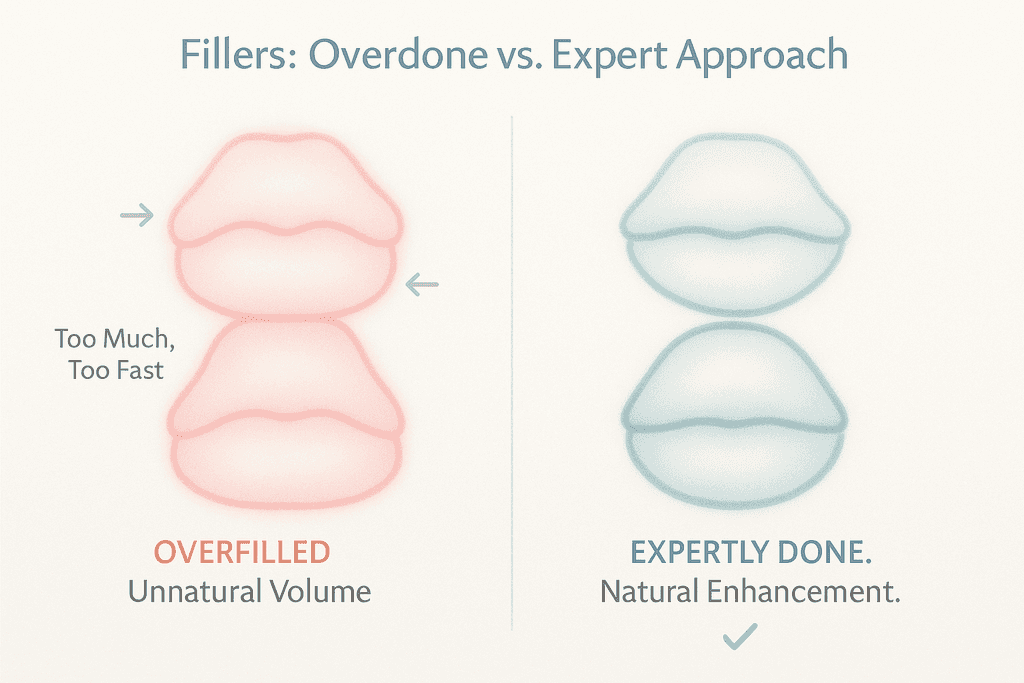
You've probably seen those celebrity photos where something just looks off. The overly plump lips, the pillow-like cheeks, the frozen appearance that screams "I've had work done." It's enough to make anyone nervous about trying fillers for the first time. But here's what most people don't realize: those overdone results aren't what fillers are supposed to look like at all.
Myth 1: Fillers Look Fake and Overdone
The truth is, the 'overdone' look happens when too much product is injected too quickly, or when someone keeps chasing an unrealistic standard. It's completely avoidable with the right approach. Think of it like seasoning food—a skilled chef knows when to stop adding salt.
Modern filler techniques focus on subtle enhancement rather than dramatic transformation. The goal isn't to change your face, but to refresh and restore what time has taken away. When done correctly, people should notice you look well-rested or refreshed, not that you've "had something done."
- Skilled providers start conservatively and build gradually over time
- Natural results come from understanding facial anatomy and proportions
- The best outcomes enhance your unique features rather than creating a cookie-cutter look
- Board-certified providers prioritize your safety and aesthetic goals equally
At Caleyo Wellness, the approach centers on aesthetic artistry combined with medical expertise. The dual board-certified team understands that less is often more, especially for first-timers. Your face should still move naturally and express emotion.
The difference between a natural result and an overdone one often comes down to provider experience. Someone who truly understands facial structure knows where to place product, how much to use, and when to stop. According to aesthetic experts, choosing an experienced injector is the single most important factor in achieving natural-looking results.
Myth 2: Fillers Are Painful and Have Terrible Side Effects
Let's talk about the elephant in the room: needles. Nobody loves them, but the fear of pain keeps many people from trying treatments that could genuinely help them feel more confident. The good news is that most modern fillers already contain lidocaine, a numbing agent that's mixed right into the product. You're getting pain relief as the filler goes in.
Myth 2: Fillers Are Painful and Have Terrible Side Effects
Before the treatment even starts, your provider can apply numbing cream to the treatment area. Combined with ice packs, this makes the experience far more comfortable than most people expect. Many patients describe it as pressure rather than pain.
Common side effects are temporary and manageable:
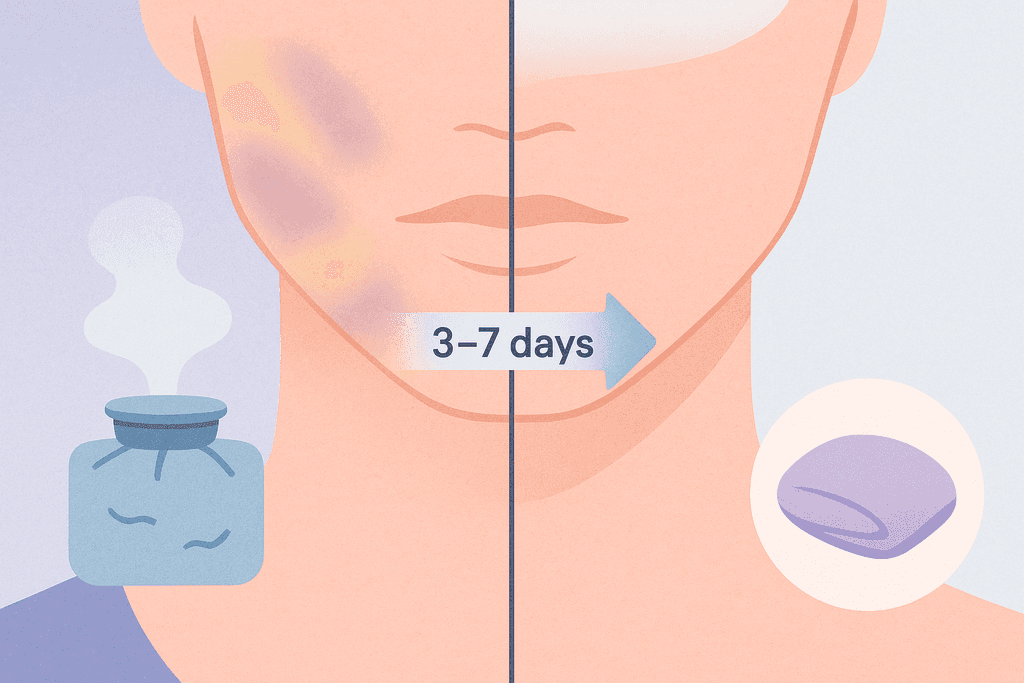
- Mild swelling that typically resolves within 24-48 hours
- Minor bruising that can be covered with makeup
- Slight tenderness at injection sites for a day or two
- Temporary redness that fades quickly
What about serious complications? They're rare when you work with a qualified provider who understands facial anatomy. Hyaluronic acid fillers have a built-in safety feature—they're completely reversible. If you don't like the results or experience any issues, an enzyme called hyaluronidase can dissolve the filler within hours.
The key to minimizing risks is proper injection technique. A provider who knows the exact depth to inject, which areas to avoid, and how to recognize potential problems makes all the difference. This is why choosing a board-certified professional matters so much for your safety and results.
Most people are surprised by how quick and tolerable the actual treatment is. We're talking 15-30 minutes in most cases, and you can return to your normal activities right after. Medical dermatology experts confirm that when performed correctly, filler treatments have an excellent safety profile with minimal downtime.
Myth 3: Once You Start Fillers, You Can't Stop
This might be the most persistent myth about injectable fillers, and it causes unnecessary anxiety for people considering their first treatment. The idea that your face will somehow collapse or look worse if you stop getting fillers simply isn't true. Fillers are temporary products that your body naturally breaks down over time, typically lasting anywhere from 6 to 18 months depending on the type and location.
When fillers wear off, you gradually return to your baseline appearance. That's it. Your face doesn't sag more than it would have naturally, and you don't develop new wrinkles because you stopped treatments.
Here's what actually happens when you stop getting fillers:
- The product slowly metabolizes as your body breaks it down
- Volume gradually decreases over several months
- You return to how you would have looked without any treatment
- Normal aging continues at its natural pace
The confusion often comes from people who get used to their enhanced appearance. When the filler wears off, they notice the return of lines or volume loss they'd forgotten about. But that's not the filler making things worse—it's simply aging continuing as it always does, whether you use fillers or not.
You have complete flexibility with your treatment schedule. Want to try it once and see how you feel? That's fine. Prefer regular maintenance to stay ahead of aging? Also fine. Need to take a break for any reason? Your face will be just fine. The personalized approach at Caleyo Wellness means your treatment plan adapts to your life, not the other way around.
Myth 4: Fillers Are Only for Older People
Walk into any aesthetic clinic and you might be surprised by the age range in the waiting room. Fillers aren't just for people fighting deep wrinkles and significant volume loss. In fact, younger patients in their 20s and 30s use fillers for completely different reasons than those in their 40s, 50s, and beyond. The treatments serve different purposes at different life stages.
For younger patients, fillers often enhance features that have nothing to do with aging. Lip augmentation, jawline contouring, and cheek definition are popular requests from people who simply want to refine their natural features. Some people are born with asymmetries or proportions they'd like to adjust without surgery.
Different ages, different goals:
- 20s-30s: Enhancement, contouring, and early prevention
- 40s-50s: Restoring lost volume and smoothing deeper lines
- 60s+: Comprehensive rejuvenation and structural support
The concept of "prejuvenation" has gained traction in recent years. Starting preventative treatments earlier can mean needing less correction later. Small amounts of filler placed strategically can support facial structures before significant volume loss occurs, potentially slowing visible aging.
At Caleyo Wellness, consultations are completely personalized based on your age, concerns, and goals. A 28-year-old wanting subtle lip enhancement receives a totally different treatment plan than a 55-year-old addressing nasolabial folds. The dual board-certified team evaluates your unique facial anatomy and creates a customized approach that makes sense for where you are in life.
The bottom line? There's no "right" age to consider fillers. Whether you're looking to enhance, prevent, or restore, the key is working with experienced providers who understand how to achieve natural results for your specific needs. Dermatology experts agree that when used appropriately, fillers can benefit patients across a wide age spectrum for various aesthetic goals.

Why These Myths Persist and What Changed
Social media has created a strange problem for injectable fillers. The worst results go viral while thousands of natural, beautiful outcomes never get posted. When someone's face looks overfilled or frozen, it spreads across platforms in hours. But when fillers are done right, nobody notices anything except that you look refreshed. This creates a skewed view where people only see the disasters and assume that's what fillers always look like.
Celebrity culture makes this worse. High-profile people often get excessive work done, and their faces become the reference point for what fillers do. The problem is that most celebrities aren't going for subtle. They want dramatic changes that photograph well and make statements. Regular people seeking injectable fillers for beginners don't want that same look, but the association sticks.
How Filler Technology Evolved
The fillers available today barely resemble what providers used ten years ago. Early products were thicker, lasted longer than they should have, and didn't integrate well with facial tissue. Modern formulations are designed to mimic natural structures in your face.
| Old Filler Technology | Modern Filler Technology |
|---|---|
| Permanent or semi-permanent materials | Temporary hyaluronic acid-based products |
| One-size-fits-all consistency | Multiple densities for different facial areas |
| Limited reversibility options | Fully dissolvable with hyaluronidase enzyme |
| Higher migration risk | Cross-linked formulas that stay in place (learn more about migration myths) |
| Basic injection techniques | Precision placement using cannulas and advanced methods |
The Training and Regulation Gap
Many common misunderstandings about fillers stem from inconsistent provider training. Not everyone injecting fillers has the same level of expertise. Board-certified providers like those at Caleyo Wellness undergo extensive training in facial anatomy, product selection, and injection techniques. They understand how different areas of the face age and which products work best for specific concerns.
- Proper certification requires understanding facial anatomy at a surgical level
- Advanced training covers complication management and reversal techniques
- Ongoing education keeps providers updated on new products and methods
- Experience with diverse facial structures leads to better, more natural results
Increased regulation has also improved safety standards across the industry. The FDA now requires more rigorous testing before approving new filler products. Clinics must follow strict protocols for storage, handling, and administration. This means the injectable fillers myths about safety issues are largely based on outdated information or work done outside proper medical settings.
Setting Realistic Expectations
The biggest shift in recent years is the emphasis on consultation and realistic goal-setting. At Caleyo Wellness, the free discovery call helps potential clients understand what fillers can and cannot do. This conversation prevents disappointment and ensures everyone is on the same page before any treatment begins.
- Detailed skin analysis using AI-powered imaging shows what's actually possible
- Discussion of facial proportions and how subtle changes create balance
- Review of product options and why certain fillers work better for specific areas
Your Next Steps Toward Confident Decisions
So there you have it. Most of the scary stories you've heard about injectable fillers myths are just that—stories. The truth is that fillers don't have to look fake, they won't freeze your face, and they're not permanent if you work with someone who knows what they're doing. The biggest factor in getting natural results is choosing a provider who actually understands facial anatomy and takes time to listen to what you want.
Before you book any treatment, a real consultation matters more than you might think. This is where you ask all those questions floating around in your head and get honest answers about what fillers can and can't do for you. At Caleyo Wellness, we offer a free discovery call so you can talk through your concerns without any pressure or commitment.
Here's what actually matters when you're considering fillers for beginners:
- Work with board-certified providers who have proper training
- Ask about their experience with your specific concerns
- Don't be afraid to voice worries about looking overdone
- Start conservatively—you can always add more later
The common misunderstandings about fillers usually come from seeing bad examples or hearing secondhand stories. When done right by qualified hands, most people won't even know you had anything done. They'll just think you look well-rested or maybe ask if you changed your skincare routine.
Still have questions about what's true and what's not. That's completely normal, and it's exactly why we put together some answers to the most common questions first-timers ask.
Common Questions About First-Time Fillers
If you're thinking about getting injectable fillers for the first time, you probably have a lot of questions running through your mind. Most people do, and that's completely normal when you're considering any cosmetic treatment. The good news is that most concerns about fillers for beginners come from common misunderstandings about fillers that are easy to clear up. Here are the answers to the questions we hear most often from first-timers.
How much do fillers typically cost for first-timers?
The cost of your first filler treatment depends on which areas you want to treat and how much product you need. Most people start with one or two syringes, and prices vary based on the type of filler used and your specific goals. At Caleyo Wellness, we offer a free 15-minute discovery call where we can discuss your goals and give you a personalized quote, and payment plans are available to make treatments more accessible.
How long do results last from your first treatment?
Results from your first filler treatment typically last anywhere from six months to two years, depending on the type of filler used and where it's placed. Areas with more movement, like your lips, tend to break down filler faster than areas like your cheeks. Your provider will let you know what to expect based on your specific treatment plan.
Can you see results immediately after filler injections?
Yes, you'll see results right away after your filler treatment. However, you might have some swelling for the first few days, so your final results will be visible once that goes down. Most people see their true results within one to two weeks after their appointment, which is when the filler has fully settled into place.
What should you avoid before and after filler treatments?
Before your treatment, avoid blood-thinning medications and supplements like aspirin, ibuprofen, and fish oil for about a week to reduce bruising risk. After your treatment, skip intense exercise, alcohol, and excessive heat exposure for 24 to 48 hours. Your provider will give you a complete list of do's and don'ts based on your specific treatment.
How do you choose the right provider for injectable fillers?
Look for a provider who is board-certified and has extensive experience with facial anatomy and injectable techniques. At Caleyo Wellness, our dual board-certified providers Emmanuel Pelayo and Jaime Calderon specialize in aesthetic treatments and take a personalized approach to every patient. A good provider will listen to your goals, explain what's realistic, and never pressure you into treatments you don't want.
Are there any medical conditions that prevent you from getting fillers?
Certain conditions like active skin infections, severe allergies to filler ingredients, or autoimmune disorders may make fillers unsafe for you. Pregnancy and breastfeeding are also times when most providers recommend waiting. That's why a thorough consultation is so important before any treatment, so your provider can review your medical history and determine if fillers are right for you.