Effective Habits for Supporting Long-Term Weight Maintenance

Losing weight is hard, but keeping it off is even harder. Most people who drop pounds end up gaining them back within a year, not because they lack willpower, but because they're missing the right habits for lasting weight management. The good news is that with the right lifestyle habits for weight success, you can break that cycle and finally make your results stick.
Table of Contents
- What Science Says About Weight Maintenance
- Build a Sustainable Eating Pattern You Can Live With
- Make Movement a Non-Negotiable Part of Your Day
- Track Progress Without Obsessing Over the Scale
- Create Your Support System and Environment
- Why Medical Support Makes Maintenance Easier
- Your Next Steps for Lasting Success
- Common Questions About Weight Maintenance
What Science Says About Weight Maintenance
Most people can lose weight, but keeping it off is where things get tricky. Studies show that about 80% of people who lose weight gain it back within a year. Your body doesn't just accept the new lower weight and move on. Instead, it fights back in ways that make you hungrier and slow down how many calories you burn. This isn't about willpower or being lazy—it's basic biology that everyone faces after weight loss.
The science behind weight regain comes down to how your body adapts. When you lose weight, your metabolism slows down more than you'd expect based on your new size alone. At the same time, hormones that control hunger and fullness get thrown off balance, making you feel hungrier than before you lost the weight. These changes can last for months or even years after you reach your goal weight.
How Your Metabolism Fights Back
After you lose weight, your body burns fewer calories than someone who naturally weighs what you weigh now. Scientists call this metabolic adaptation, and it's one of the biggest reasons people struggle with habits for lasting weight management.
Key Stat: People who lose weight burn 200-500 fewer calories per day than expected for their body size, even years after weight loss.
Here's what happens inside your body:
- Your resting metabolic rate drops by more than the math would predict
- Your body becomes more efficient at storing fat from the food you eat
- Physical activity burns fewer calories than it did before weight loss
- Your muscles use less energy to do the same work
The Hormone Problem Nobody Talks About
Weight loss messes with the hormones that tell your brain when you're hungry or full. Leptin, which signals that you're satisfied, drops way down. Ghrelin, which makes you feel hungry, goes up. This double hit makes you want to eat more even when you don't need the calories.
The changes stick around longer than most people think:
- Leptin levels can stay low for at least a year after weight loss
- Ghrelin stays elevated, keeping hunger signals strong
- Insulin sensitivity changes, affecting how your body handles carbs
- Thyroid hormones may decrease, slowing metabolism further
These hormone shifts explain why tips for keeping weight off need to focus on long-term strategies, not just short-term diets. At Caleyo Wellness, our medical weight management programs address these metabolic and hormonal changes with ongoing clinical oversight and personalized nutrition counseling.
Why the First Year Matters Most
Research shows the first 12 months after reaching your goal weight are critical. This is when your body is working hardest to get back to its previous weight. People who make it through this period with good lifestyle habits for weight success have much better odds of keeping weight off long-term.
Success Rate: Only about 20% of people who lose 10% or more of their body weight keep it off for a year or longer.
Data from the National Weight Control Registry, which tracks people who've successfully maintained weight loss, shows some clear patterns. These successful maintainers share specific behaviors that help them beat the odds. Mobile phone-based tracking and support has also shown promise in helping people stay on track during this critical period.
| Time Period | Weight Regain Risk | Key Challenge |
|---|---|---|
| 0-3 months | Moderate | Adjusting to maintenance calories |
| 3-6 months | High | Motivation drops, old habits return |
| 6-12 months | Very High | Metabolic adaptation peaks |
| 12+ months | Decreasing | New habits become automatic |
Successful weight maintainers typically share these traits:
- They weigh themselves regularly to catch small gains early
- They stay physically active most days of the week
- They eat breakfast consistently
- They track what they eat in some way
- They have support systems in place
Understanding these biological and behavioral factors helps explain why lasting weight management requires more than just eating less. Your body needs time to adjust, and you need strategies that work with your biology, not against it.
Build a Sustainable Eating Pattern You Can Live With
Most people who lose weight gain it back within a year, and the reason isn't lack of willpower. It's because they're following eating plans that feel like punishment. When you're constantly hungry, cutting out entire food groups, or eating meals you hate, your body and brain eventually rebel. The truth is that restrictive diets create a cycle of deprivation and bingeing that makes long-term success nearly impossible. What actually works is building an eating pattern that feels normal enough to maintain for years, not just weeks.
Build a Sustainable Eating Pattern You Can Live With
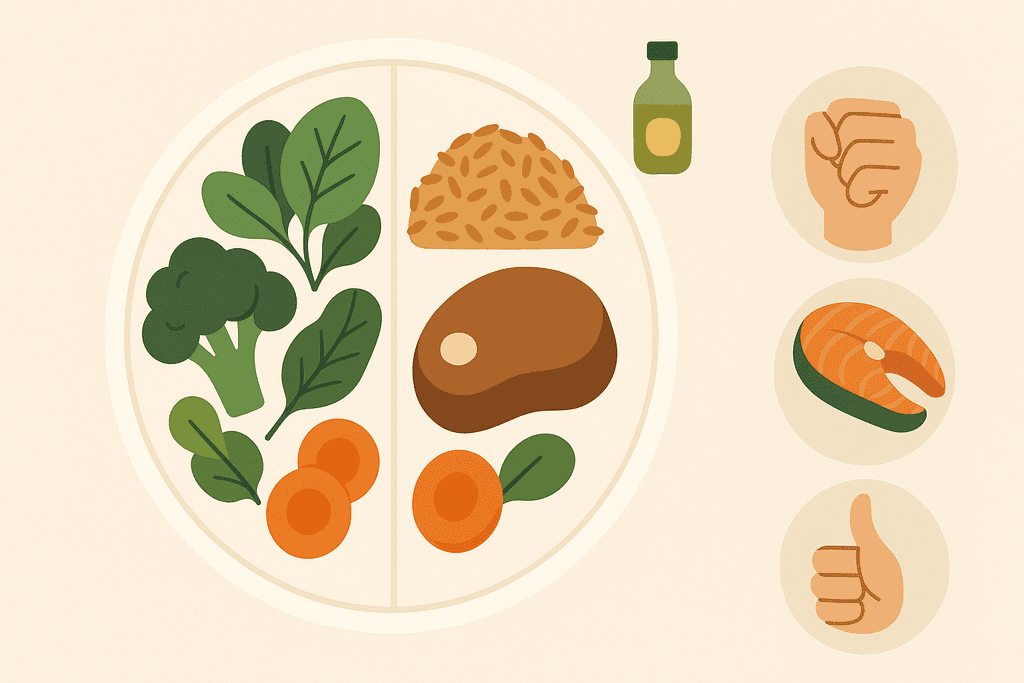
Think of it as creating guidelines instead of rules. You're not banning pizza forever or measuring every almond. You're learning what portions work for your body and how to balance your plate most of the time.
Here's what a flexible eating framework looks like:
- Eating protein and vegetables at most meals, but not stressing if you skip them occasionally
- Planning your meals loosely for the week so you're not making decisions when you're starving
- Keeping easy, healthy options available without eliminating treats entirely
- Learning to recognize actual hunger versus boredom or stress eating
The role of protein and fiber matters more than most people realize. These two nutrients keep you full longer and help prevent the energy crashes that lead to poor food choices. When you build meals around lean proteins and high-fiber foods, you naturally eat less without feeling deprived.
Social situations don't have to derail everything either. The key is planning ahead without being rigid. If you know you're going to a wedding on Saturday, you don't need to "save up" calories or skip meals beforehand. Just eat normally that day and enjoy the celebration without guilt.
Daily Nutrition Habits Checklist:
- Include protein at each meal
- Eat vegetables at lunch and dinner
- Drink water throughout the day
- Plan tomorrow's meals tonight
- Keep healthy snacks visible and accessible
- Eat slowly and without distractions when possible
Make Movement a Non-Negotiable Part of Your Day
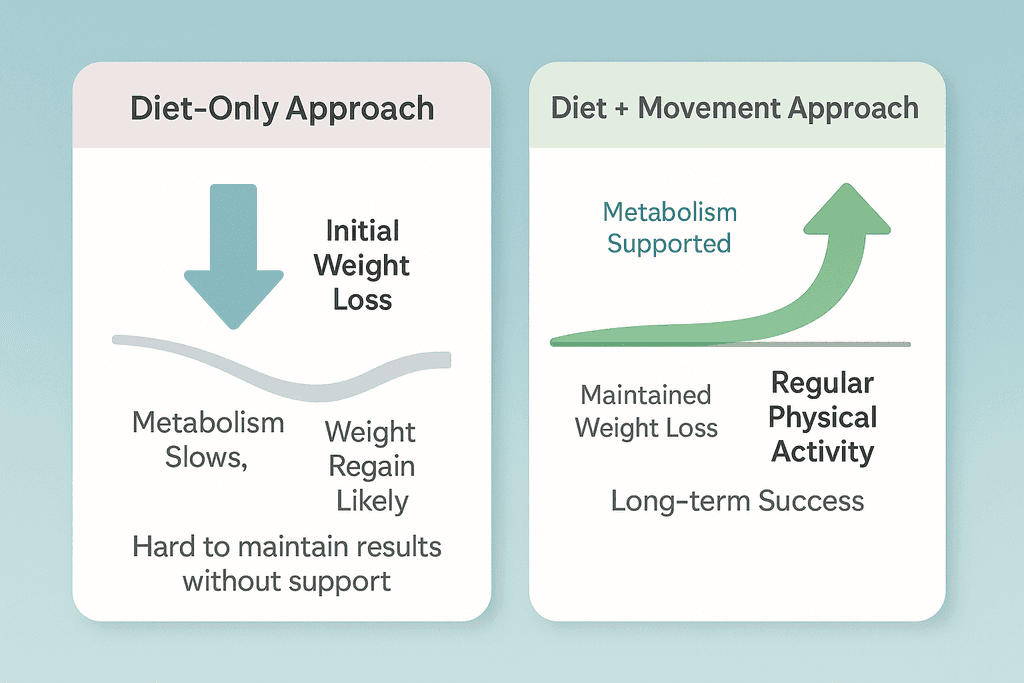
Exercise doesn't burn as many calories as people think, which is why you can't out-train a bad diet. But here's what movement does do remarkably well: it helps you keep weight off once you've lost it. Research shows that people who maintain weight loss long-term consistently engage in regular physical activity. Your body adapts to weight loss by slowing down your metabolism, and movement is one of the few things that counteracts this effect. Plus, strength training builds muscle, which burns more calories at rest than fat does.
Make Movement a Non-Negotiable Part of Your Day
The problem is that most people choose activities they think they should do rather than ones they actually enjoy. If you hate running, forcing yourself to run five days a week isn't sustainable.
Finding movement you like makes all the difference:
- Try different activities until something clicks, whether that's dancing, hiking, swimming, or lifting weights
- Focus on how exercise makes you feel rather than just calories burned
- Start small with 10-minute walks and build from there
- Schedule workouts like appointments you can't cancel
Daily movement beyond formal workouts matters just as much. Taking the stairs, parking farther away, standing while working, and walking during phone calls all add up. These small actions throughout the day boost your metabolism and make maintaining weight easier without requiring extra gym time.
For busy professionals, the biggest barrier is usually time. But you don't need hour-long workouts to see benefits. Three 20-minute strength training sessions per week can maintain muscle mass and metabolic health. The key is consistency, not perfection.
Weekly Movement Goals:
- 2-3 strength training sessions (20-30 minutes each)
- Daily walks or active breaks (10-15 minutes minimum)
- One longer activity you enjoy on weekends
- Movement snacks throughout the day (stairs, stretching, standing)
- Track your activity to maintain accountability
Track Progress Without Obsessing Over the Scale
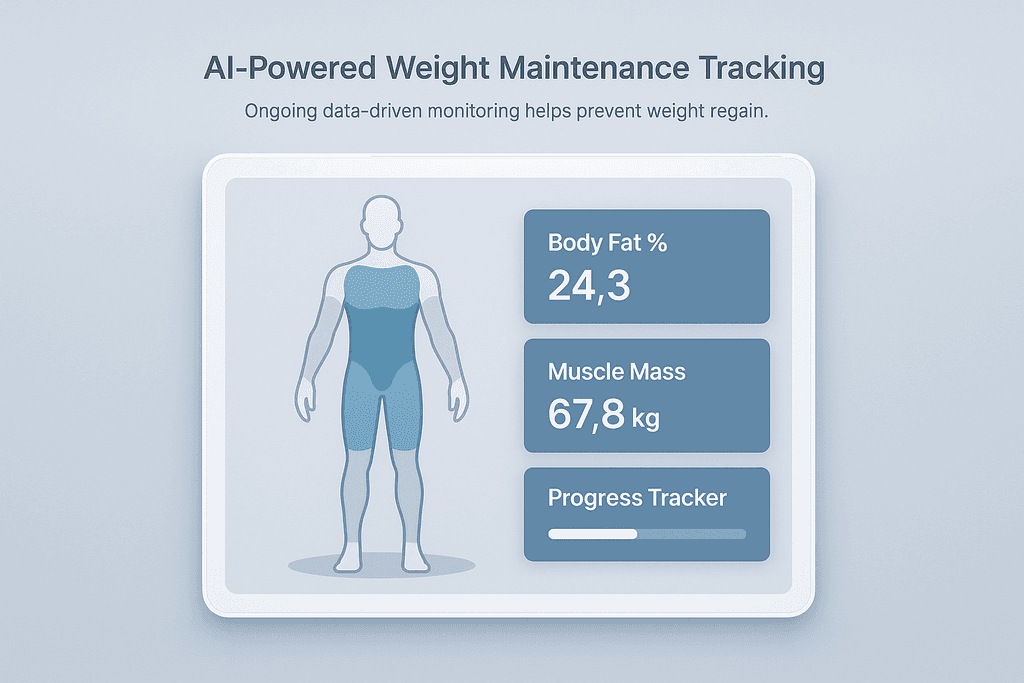
Your weight can fluctuate by several pounds in a single day based on water retention, sodium intake, hormones, and digestion. This means the scale often lies about your actual progress. You might be losing fat and gaining muscle, which means your body is getting leaner even if the number doesn't change. Body composition matters far more than total weight, but most people don't have a good way to measure it. That's where more precise tracking methods become valuable for habits for lasting weight management.
Traditional methods like measurements and progress photos work, but they're subjective and easy to manipulate. How tight you pull the tape measure or what angle you take a photo from can change the results.
Better tracking methods include:
- How your clothes fit in the waist, hips, and shoulders
- Energy levels and sleep quality
- Strength improvements in the gym
- Consistent measurements taken the same way each time
- Body composition analysis that shows fat versus muscle
At Caleyo Wellness, we use an AI-powered 3D Body Scanner that creates a precise digital model of your body. This technology tracks changes in specific areas and shows you exactly where you're losing fat or building muscle. It removes the guesswork and emotional reaction that comes with traditional scale-based tracking. You can see objective data about your progress, which helps you stay motivated even when the scale isn't moving.
The goal is to create a monitoring routine that informs your decisions without consuming your thoughts. Checking in once a week or every two weeks is enough for most people. Daily weigh-ins often create unnecessary stress and don't provide useful information given normal fluctuations.
Create Your Support System and Environment
Trying to maintain weight loss alone is like trying to learn a new language without ever practicing with anyone. It's technically possible, but much harder than it needs to be. Studies on habit formation for weight control show that people with strong support systems and professional guidance maintain their results far more successfully. Your environment and the people around you either make healthy choices easier or constantly tempt you toward old patterns. The difference between success and struggle often comes down to how well you've set up these external factors.
Building accountability doesn't mean announcing your goals on social media or joining a support group if that's not your style. It means having at least one person who knows what you're working toward and checks in regularly.
Effective support systems include:
- A friend or family member who shares similar health goals
- Professional guidance from nutritionists or medical providers
- Regular check-ins scheduled in advance
- Someone to call when you're struggling before small slips become big problems
Your home environment plays an equally important role. If your kitchen is full of trigger foods and healthy options require extra effort, you're fighting an uphill battle every day. Simple changes like keeping fruit visible, pre-cutting vegetables, and storing tempting foods out of sight make healthy choices the path of least resistance.
Caleyo Wellness provides ongoing nutrition counseling and regular check-ins as part of our weight management programs. Having medical oversight means you're not guessing about what's working or making changes based on random internet advice. You get personalized guidance adjusted to your specific progress and challenges, which is especially valuable during the maintenance phase when motivation naturally dips.
Environment and Support Setup:
- Identify one accountability partner and schedule weekly check-ins
- Remove or hide foods that trigger overeating
- Prep healthy snacks and meals in advance
- Keep workout clothes and equipment easily accessible
- Schedule regular appointments with healthcare providers
- Create a plan for what to do when motivation drops
Why Medical Support Makes Maintenance Easier
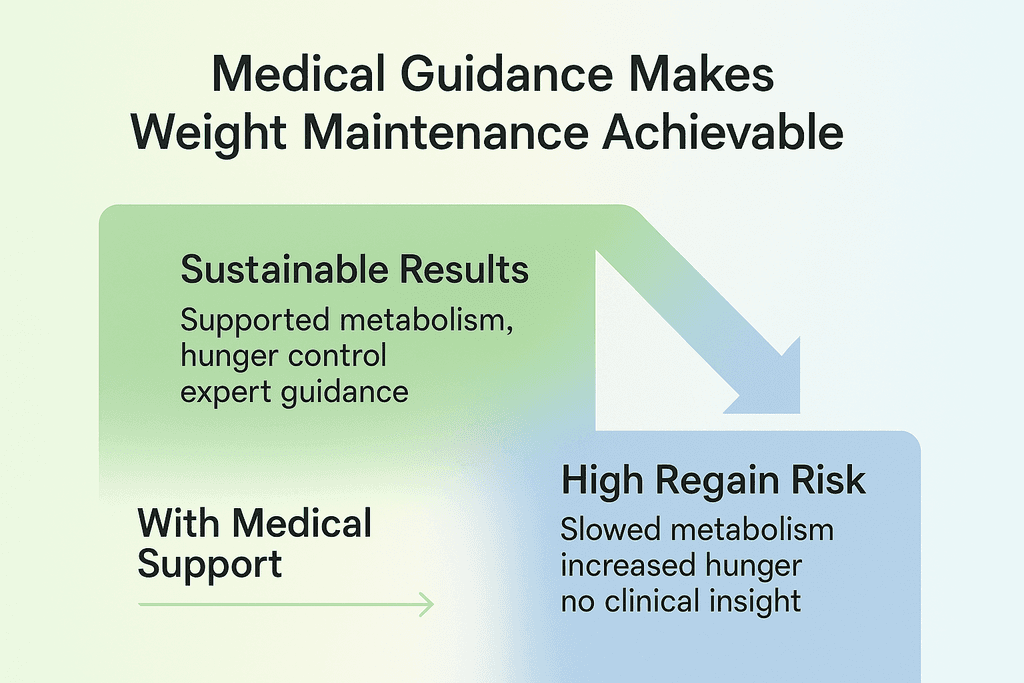
Most people who lose weight on their own end up gaining it back within a year. The reason isn't lack of willpower or motivation. It's that your body actively fights against weight loss by slowing your metabolism and increasing hunger hormones. When you're trying to maintain weight loss without professional help, you're basically flying blind through these biological changes. Medical support gives you the tools to see what's actually happening inside your body and adjust your approach before the scale starts creeping back up.
Self-Guided vs Medically Supported Maintenance
The difference between DIY maintenance and working with medical professionals comes down to precision and personalization. Here's how they stack up:
| Self-Guided Approach | Medically-Supported Approach |
|---|---|
| Generic calorie targets from apps | Personalized nutrition based on metabolic testing |
| Scale weight only | 3D body composition tracking and analysis |
| Trial and error with diet changes | Data-driven adjustments from registered dietitians |
| No intervention when plateaus hit | Medical options like metabolic boosters when needed |
| Isolated focus on food and exercise | Holistic approach including sleep, stress, and hormones |
How Registered Dietitians Personalize Your Plan
A registered dietitian doesn't just hand you a meal plan and wish you luck. They dig into your specific metabolism, food preferences, work schedule, and even your gut health. At Caleyo Wellness, nutrition counseling goes beyond basic calorie counting to look at how your body actually processes different macronutrients.
This personalized approach matters because what works for your friend might tank your energy levels. Some people maintain weight better on higher protein, while others need more healthy fats to feel satisfied. A dietitian can test and adjust your plan based on real results, not guesswork.
The Power of Metabolic Testing and Body Tracking
Regular body composition analysis shows you what's happening beneath the surface. You might maintain the same weight but lose muscle and gain fat. That's a problem for long-term maintenance because muscle burns more calories at rest.
- 3D body scanning provides precise measurements of muscle vs. fat distribution
- Metabolic testing reveals your actual calorie burn, not estimates from generic formulas
- Progress tracking catches small changes before they become big problems
- Data-driven adjustments prevent the guesswork that derails most maintenance efforts
The 3D Precision Body Tracking used in programs at Caleyo Wellness takes this even further with AI-powered visualization. You can literally see how your body composition changes over time, which keeps you motivated and informed.
When Medical Interventions Help Maintenance
Sometimes lifestyle habits for weight success aren't enough on their own. Your metabolism might have slowed more than expected, or hormonal issues could be making maintenance nearly impossible. This is where medical support becomes essential.
- Metabolic boosters can help when your body has adapted to lower calorie intake
- Medications address underlying issues like insulin resistance or thyroid problems
- Regular monitoring catches metabolic slowdown before significant regain happens
- Professional guidance ensures safe, effective use of any medical interventions
Research shows that social and professional support significantly improves weight maintenance outcomes, particularly when that support includes medical expertise and regular check-ins.
Real Outcomes from Comprehensive Programs
Medical weight management programs that combine nutrition counseling, body tracking, and clinical oversight consistently show better long-term results than DIY approaches. The key is the comprehensive nature of the support.
When you have a team monitoring your progress, adjusting your plan based on data, and catching problems early, you're not alone in the maintenance phase. That ongoing support is what separates temporary weight loss from lasting change. The combination of expert guidance, precise tracking, and medical intervention when needed creates a safety net that most people simply don't have when going it alone.
Your Next Steps for Lasting Success
The habits for lasting weight management we covered aren't complicated, but they do require consistency. Tracking your food, moving your body regularly, getting enough sleep, managing stress, and building a support system are the basics that actually work. The truth is, most people who struggle with keeping weight off aren't doing anything wrong, they just haven't learned the skill of maintenance yet. And yes, it's a skill you can learn.
The key is starting small. You don't need to overhaul your entire life overnight. Pick one or two lifestyle habits for weight success from this list and focus on those first. Once they feel natural, add another.
Some people find it easier with professional support, especially when they want a personalized plan based on their specific body and goals. At Caleyo Wellness, our medical weight management programs combine nutrition counseling with regular clinical oversight and 3D body tracking to help you see exactly what's working. We also offer a free 15-minute discovery call if you want to talk through your situation and see what approach might fit best.
The tips for keeping weight off that work long-term are the ones you can actually stick with. That's the whole point. You're not looking for perfect, you're looking for sustainable.
Common Questions About Weight Maintenance
Keeping weight off brings up a lot of questions, especially when you're trying to figure out what works long-term. Most people wonder if they'll need to track every calorie forever or if the effort will ever feel natural. The truth is that maintenance looks different for everyone, and what matters most is finding a rhythm that fits your life. Here are answers to the questions we hear most often about habits for lasting weight management.
How long does it take for maintenance to feel easier?
Most people notice maintenance getting easier after about three to six months of consistent habits. Your body adjusts to new routines, and behaviors that once felt forced start becoming automatic. The key is sticking with it through the awkward phase when everything still requires conscious effort.
What should I do if I start regaining weight?
Catching small gains early makes a huge difference. If you notice the scale creeping up by three to five pounds, go back to tracking your food for a week or two and check in on your activity levels. At Caleyo Wellness, our medical weight management programs include regular clinical oversight and 3D body tracking to catch changes before they become bigger problems. Sometimes a quick adjustment to your plan is all you need.
Do I need to track calories forever?
Not necessarily, but many people find occasional tracking helpful. Once you've built solid habits and can eyeball portions accurately, you might only need to track during high-risk times like vacations or stressful periods. Think of it as a tool you can pull out when you need it, not a life sentence.
How often should I weigh myself?
Weekly weigh-ins work well for most people trying to maintain weight loss. Daily weighing can be helpful if you don't get stressed by normal fluctuations, but less frequent check-ins might leave you unaware of gradual gains. Pick a schedule that keeps you accountable without making you obsessive.
Can medical weight management help with maintenance?
Absolutely. Medical support doesn't end when you hit your goal weight. Lifestyle habits for weight success often need ongoing adjustments based on how your body responds over time. Professional guidance helps you navigate plateaus, metabolic changes, and life events that might otherwise derail your progress.
What makes Caleyo Wellness different for weight maintenance?
We use precision tools like AI-powered 3D body scanning to track your progress beyond just the scale, giving you detailed data on body composition changes. Our dual board-certified providers combine medical expertise with nutritional counseling, so you get comprehensive support tailored to your specific needs. Plus, we offer flexible programs that adapt as your maintenance journey evolves, along with tips for keeping weight off that actually fit into real life.