Exploring the science behind regenerative aesthetics for healthy aging

```html
Most anti-aging treatments offer quick fixes that fade in months, but regenerative aesthetics explained work by genuinely enhancing your skin over time. Instead of just filling wrinkles or freezing muscles, these science of anti-aging procedures activate your body's natural repair systems to generate new collagen and elastin from within. At Caleyo Wellness, treatments like AutoCorre® and microneedling use this method to achieve results that improve as weeks go by, not worsen.
Table of Contents
- What Makes Regenerative Aesthetics Different
- How Your Skin Ages at the Cellular Level
- The Science of Triggering Your Body's Repair Mode
- Regenerative Treatments That Actually Work
- Why Regenerative Beats Traditional for Long-Term Results
- Your Next Steps Toward Healthier Aging
- Common Questions About Regenerative Aesthetics
What Makes Regenerative Aesthetics Different
Most people associate aging with losing skin glow, developing wrinkles, and sagging. For years, the beauty industry has provided temporary fixes for these signs. You get an injection, your wrinkles vanish for a while, and then you're back for more. What if you could help your skin renew itself from the inside rather than just covering up the problem?
The Old Way Versus the New Way
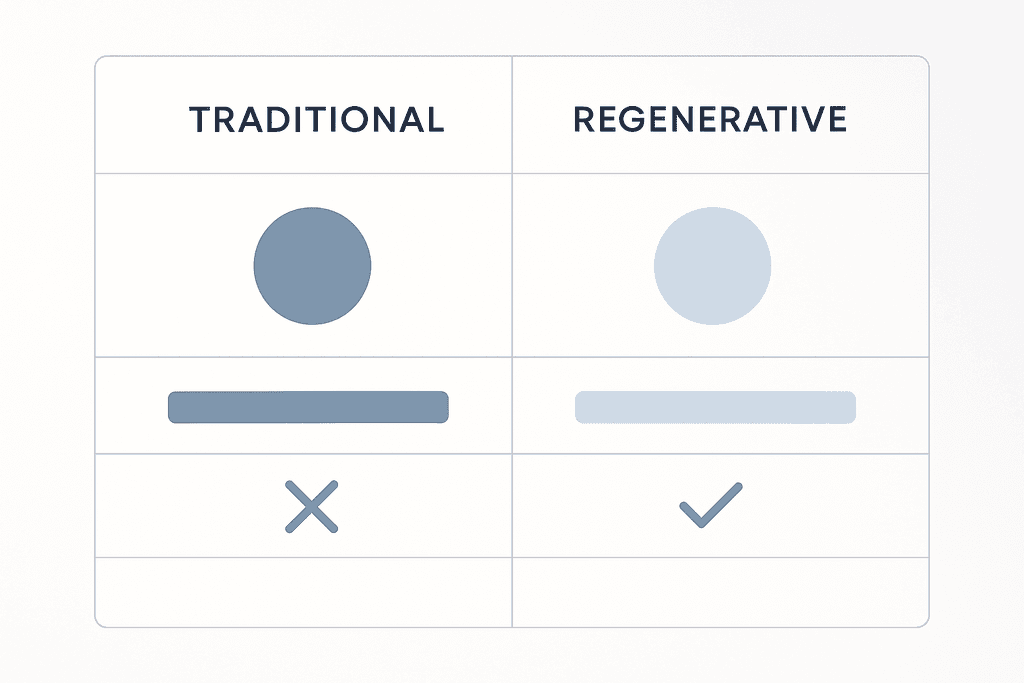
Traditional cosmetic treatments are like painting over an old fence. They improve the surface appearance but don't fix the underlying issues. Regenerative aesthetics explained means treatments that activate your body's natural repair system instead of just masking damage.
Here's how traditional methods differ:
- They fill wrinkles or freeze muscles to smooth skin
- Results fade within a few months, needing repeat visits
- They don't improve actual skin health or quality
- They're addressing symptoms, not causes
Regenerative methods follow a different path. They encourage your body to produce new collagen, repair damaged cells, and improve skin structure over time.
How Your Body Becomes the Treatment
The science of anti-aging procedures has evolved significantly. Instead of relying solely on synthetic fillers or muscle-freezing injections, regenerative treatments activate your healing response. Think of it like this: when you cut your finger, your body knows how to heal it. Regenerative aesthetics use that natural intelligence to repair aging skin.
At Caleyo Wellness, treatments like AutoCorre® boost your body's collagen and elastin production. Your skin doesn't just look better temporarily—it becomes healthier and stronger with each treatment.
Here's what happens with regenerative approaches:
- Your body naturally produces new collagen and elastin
- Results build over time and last longer
- Skin texture, tone, and quality improve from within
- You're addressing the root cause of aging, not just hiding it
Comparing the Two Approaches
The difference between traditional and regenerative healthy aging treatments becomes clear when you compare them side by side. Both have their place, but understanding what each does helps you make better choices for your skin.
| Aspect | Traditional Aesthetics | Regenerative Aesthetics |
|---|---|---|
| How It Works | Fills, freezes, or resurfaces skin surface | Activates your body's natural repair systems |
| Duration of Results | 3-6 months typically | Months to years, with cumulative benefits |
| Skin Quality Changes | Minimal improvement to actual skin health | Improves texture, tone, and structure over time |
| Treatment Goal | Hide or mask aging signs | Reverse aging at the cellular level |
| Maintenance Needs | Frequent repeat treatments required | Less frequent maintenance as skin improves |
The shift toward regenerative medicine principles in aesthetics means you're not just chasing temporary results. You're investing in your skin's long-term health and appearance.
How Your Skin Ages at the Cellular Level
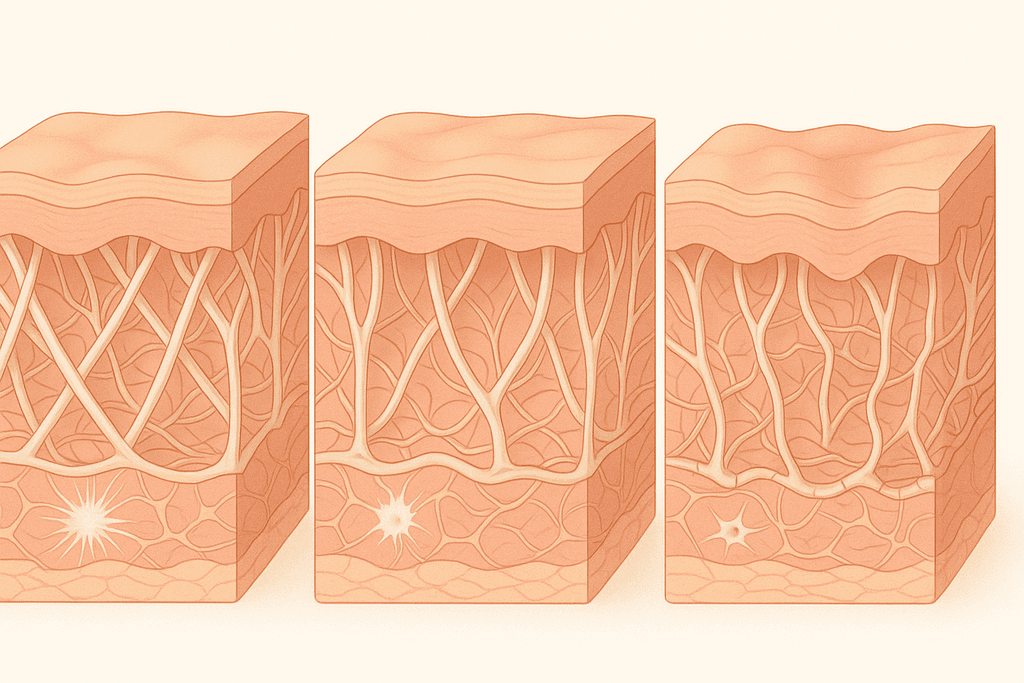
Your skin loses about 1% of its collagen every year after 20. That might seem small, but by 50, you've lost nearly a third. This isn't just about wrinkles appearing on the surface. The real story happens deep in your skin, where cells that used to work efficiently start slowing down. Your body's natural repair system doesn't stop completely but definitely slows down.
How Your Skin Ages at the Cellular Level
Remember how quickly a cut healed when you were a kid compared to now? That's cellular turnover in action. When you're young, your skin replaces itself every 28 days. As you age, that stretches to 45 days or more. Dead skin cells linger, making your complexion look dull and tired.
- Fibroblasts make collagen and elastin, the proteins that keep skin firm and elastic
- These cells become less active, producing lower-quality collagen
- Sun exposure, pollution, and stress damage cells faster than your body can repair them
- The result is visible aging signs like sagging, wrinkles, and uneven texture
Here's where many go wrong. Traditional fillers add volume to areas, which can look good. But they don't address the underlying issue of declining collagen production. Your skin still ages at the cellular level, even if the surface looks temporarily plumper.
The Science of Triggering Your Body's Repair Mode
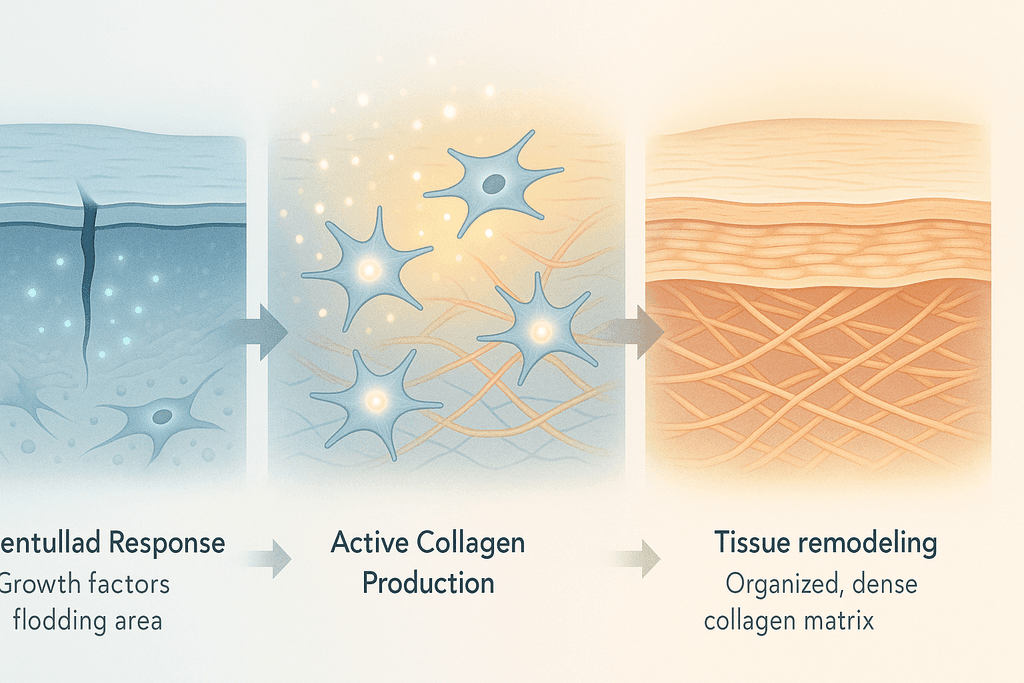
Your body can heal itself when it gets the right signal. Regenerative aesthetics create controlled micro-injuries that trick your skin into thinking it needs repair. It's like resetting those lazy fibroblasts we mentioned earlier. When your skin senses injury, it starts a cascade of healing responses.
The Science of Triggering Your Body's Repair Mode
Once those micro-injuries occur, your body floods the area with growth factors and cytokines. These messengers tell your fibroblasts to wake up and start working. The fibroblasts respond by ramping up fresh collagen and elastin production, the building blocks your skin needs.
This process is called the inflammatory cascade, and it's beneficial when controlled. The inflammation increases blood flow, nutrients, and all the raw materials your skin needs to rebuild itself.
- The repair process starts within hours but takes weeks to months for visible results
- New collagen continues forming for up to six months after treatment
- Results last longer than traditional fillers because you're building real tissue, not just adding temporary volume
- Treatments like microneedling, skin boosters, and AutoCorre® activate this natural repair mechanism
These treatments take time because you're literally growing new skin tissue. You can't rush biology. But the payoff is worth it because the results are your own collagen, not something that will dissolve in a few months.
Regenerative Treatments That Actually Work
So what does this look like in practice? Microneedling uses tiny needles to create thousands of micro-channels in your skin. Your body sees these as injuries and starts the repair process. The needles are so small they don't cause real damage, but they're enough to trigger collagen production. Most people need a series of treatments spaced a few weeks apart to see the full effect.
Skin boosters take a different approach. They inject hyaluronic acid deep into the skin, which does more than just hydrate. The acid stimulates fibroblasts to produce more collagen. It's like giving your skin cells the encouragement they need to do better work.
| Treatment | How It Works | Timeline for Results |
|---|---|---|
| Microneedling | Creates micro-injuries to trigger collagen production | 4-6 weeks, improves over 3-6 months |
| Skin Boosters | Hyaluronic acid stimulates fibroblasts directly | 2-4 weeks, cumulative with repeat treatments |
| AutoCorre® | Proprietary collagen-stimulating protocol | Rapid initial results, continues improving for months |
| PRP Therapy | Growth factors from your own blood activate repair | 4-8 weeks, peaks at 3-6 months |
Then there's AutoCorre®, which is a proprietary protocol that takes regenerative aesthetics further. It's a collagen-stimulating treatment that works faster than traditional methods while still providing long-lasting, natural results. At Caleyo Wellness, we're certified to offer this treatment because it requires specific training and expertise. The protocol accelerates both collagen and elastin synthesis, rebuilding multiple layers of skin quality at once.
PRP treatments use growth factors from your own blood to enhance the healing response. Your blood is drawn, spun in a centrifuge to concentrate the platelets, then injected back into treatment areas. Those platelets are packed with growth factors that tell your skin to repair and regenerate.
- Most regenerative treatments work best in combination rather than alone
- You might pair microneedling with PRP for enhanced results
- Skin boosters can maintain results between more intensive treatments
- The key is creating a comprehensive plan based on your specific aging concerns
The regeneration timeline varies by treatment and individual, but most people start seeing improvements within a month. The real magic happens over the next several months as new collagen continues forming. This is why healthy aging treatments focused on regeneration give you results that look natural and last longer than quick fixes. Your skin is actually healthier, not just temporarily plumped up.
Why Regenerative Beats Traditional for Long-Term Results
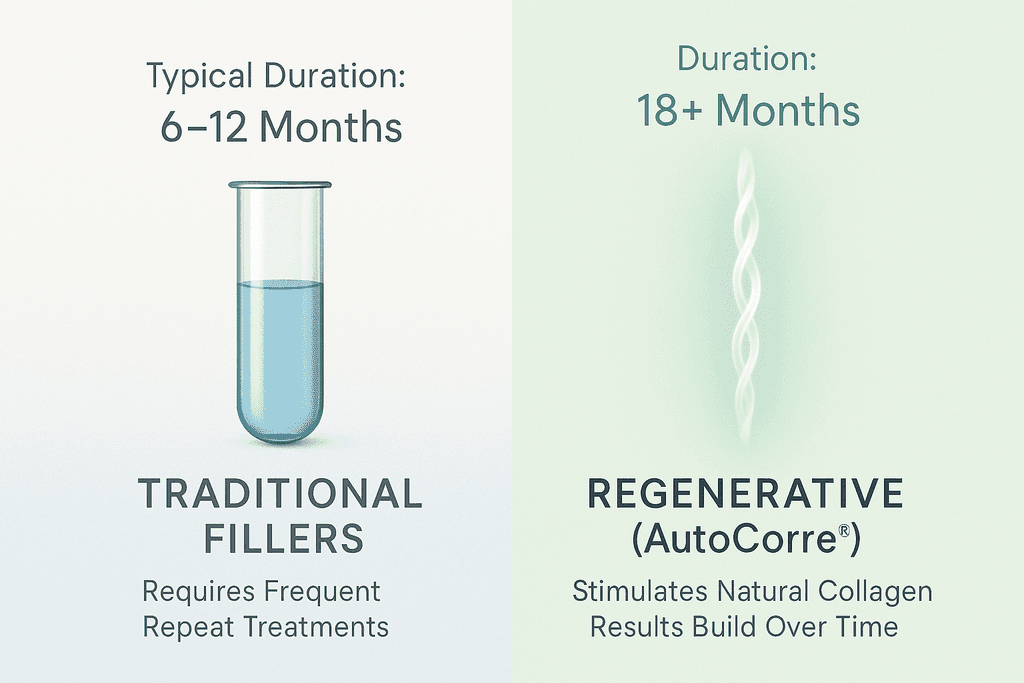
When you look at the numbers, regenerative aesthetics explained through a financial lens tells a clear story. Traditional fillers might seem cheaper upfront, but they need constant touch-ups every 6-12 months. Regenerative treatments like AutoCorre® work differently because they trigger your body's own collagen production, leading to results that build over time and last much longer. Studies show patients using collagen-stimulating treatments maintain their results for 18-24 months or more, reducing appointments and costs by nearly half over three years.
The science of anti-aging procedures has shifted toward working with your body instead of just filling gaps. Here's what makes regenerative approaches stand out:
- Results appear gradually over 3-6 months, avoiding that "overdone" look
- Each session builds on the last, creating cumulative improvements in skin quality and structure
- Your own collagen and elastin do the work, so results look natural and move with your face
- Maintenance treatments are needed less frequently, usually once or twice a year
Clinical data shows: Patients report 87% satisfaction rates with regenerative treatments at the 18-month mark, compared to 62% with traditional fillers needing multiple touch-ups.
The catch is patience. Healthy aging treatments that stimulate regeneration don't give instant results like traditional fillers. You're training your skin to rebuild itself, which takes time but pays off with more natural, longer-lasting improvements.
Who benefits most from this approach? People in their 30s and 40s see the best results because their bodies still have strong regenerative capacity. But even older patients respond well with the right customization.
- Busy professionals who want fewer appointments and less hassle
- Anyone seeking natural-looking results without constant maintenance
- Patients investing in long-term skin health rather than quick fixes
At Caleyo Wellness, treatments like AutoCorre® combine this regenerative science with precise planning using AI-powered skin analysis. The focus is on building real, lasting improvements rather than temporary solutions.
Your Next Steps Toward Healthier Aging
The science behind regenerative aesthetics explained is straightforward once you understand the basics. Your body already knows how to heal and rebuild itself. These treatments give it the right signals and materials to do what it does best. The difference is that you're working with your biology instead of forcing quick fixes that fade away.
Here's what matters most in healthy aging treatments. Results take time because real collagen production doesn't happen overnight. Most people start seeing changes around the 4-6 week mark, with improvements continuing for months. That's positive because it means changes are happening deep in your skin, not just on the surface.
The science of anti-aging procedures has advanced, but not every treatment works the same for everyone. Your skin type, age, lifestyle, and goals all affect what works best. Personalized treatment plans are crucial.
At Caleyo Wellness, our approach combines several regenerative methods based on your skin's needs. Our AutoCorre® treatment shows how targeted collagen stimulation creates lasting improvements without surgery. But the key is matching the right treatments to your situation.
If you're curious about what might work for your skin, we offer a free 15-minute discovery call to discuss your concerns and plan realistically. No pressure, just honest information about what's possible.
Common Questions About Regenerative Aesthetics
People considering regenerative aesthetics explained treatments often have similar questions about what to expect. The science of anti-aging procedures has advanced, but understanding the practical side is as important as knowing how they work. Here are answers to common questions from patients exploring healthy aging treatments.
How long before I see results from regenerative treatments?
Most people notice initial improvements within 2-4 weeks, but the real magic happens over 3-6 months as your body builds new collagen and elastin. Treatments like AutoCorre® at Caleyo Wellness work by triggering your natural healing response, which takes time but delivers lasting results. Some patients see continued improvement for up to a year after their treatment series.
Will it hurt and how much downtime should I expect?
Pain levels vary by treatment, but most regenerative procedures involve minimal discomfort with numbing cream or local anesthesia. Downtime typically ranges from none to a few days of mild redness or swelling. Microneedling might leave you pink for 24-48 hours, while treatments like skin boosters often have zero downtime.
Am I a good candidate for regenerative aesthetics?
If you're looking for natural-looking improvements without surgery, you're probably a good fit. These treatments work best for people with early to moderate signs of aging who want to prevent further damage while reversing what's already there. A consultation with providers like those at Caleyo Wellness can assess your skin quality, health history, and goals to create a personalized plan.
How do regenerative treatments compare in cost to traditional options?
While individual sessions might cost more upfront than basic treatments, regenerative aesthetics often save money long-term because results last longer and improve over time. You're investing in your body's natural repair systems rather than temporary fixes that need constant maintenance. Many clinics offer payment plans to make these science of anti-aging procedures more accessible.
Can regenerative treatments be combined with other procedures?
Absolutely, and that's often when you see the best results. Combining neurotoxins with collagen-stimulating treatments, or pairing microneedling with skin boosters, creates a comprehensive approach. Your provider can design a treatment plan that layers different modalities for maximum benefit without overdoing it.
How often do treatments need to be repeated?
Initial treatment series typically involve 2-4 sessions spaced weeks apart, followed by maintenance treatments every 6-12 months. The beauty of regenerative aesthetics explained simply is that you're building lasting improvements, not just covering up problems. Once your collagen production kicks in, you need less frequent touch-ups compared to traditional fillers or other temporary solutions.
```