Guide to choosing between facial fillers and neurotoxins for smoother skin

Most people think facial fillers and neurotoxins do the same thing, but they actually work in completely opposite ways to smooth your skin. Fillers add volume where your face has lost fullness, while neurotoxins relax the muscles that create wrinkles when you smile or frown. Understanding which treatment targets your specific concerns will help you choose the right path to smoother skin, and at Caleyo Wellness, our dual board-certified providers can map out exactly which approach fits your goals.
Table of Contents
- Understanding What Each Treatment Actually Does
- When Neurotoxins Are Your Best Choice
- When Fillers Give You Better Results
- Combining Both Treatments for Complete Rejuvenation
- Making Your Personal Treatment Decision
- Your Next Step Toward Smoother Skin
- Common Questions About Fillers and Neurotoxins
Understanding What Each Treatment Actually Does
Your face has two main reasons for showing wrinkles and lines. Some wrinkles come from muscles moving under your skin when you smile, frown, or squint. Other wrinkles show up because your skin has lost volume and structure over time. When you're trying to decide between facial fillers vs neurotoxins, it helps to know that each one tackles a completely different problem. Think of it like fixing a car—sometimes you need new tires, sometimes you need an oil change, and sometimes you need both.
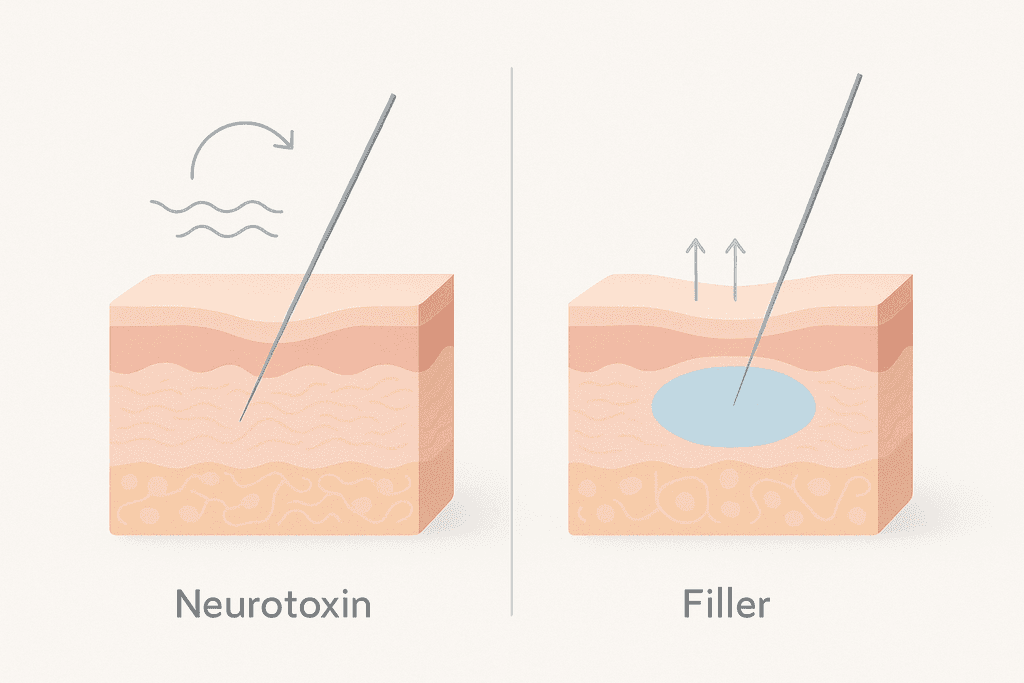
How Neurotoxins Work
Neurotoxins like Botox work by temporarily relaxing the muscles that create expression lines. When you make the same facial expressions over and over for years, those muscles create permanent creases in your skin. Neurotoxins block the signal between your nerves and those muscles, so the muscles can't contract as hard.
Here's what neurotoxins are best at treating:
- Forehead lines that appear when you raise your eyebrows
- Crow's feet around your eyes from smiling and squinting
- Frown lines between your eyebrows (the "11" lines)
- Bunny lines on your nose
How Dermal Fillers Work
Dermal fillers take a totally different approach. Instead of relaxing muscles, they add volume back to areas where your skin has lost fullness. As we age, we lose fat, collagen, and bone density in our faces. Fillers literally fill in those hollow spots and can even reshape facial features.
Fillers work well for these concerns:
- Deep lines around your mouth and nose (nasolabial folds)
- Hollow cheeks or under-eye areas
- Thin lips that need more volume
- Sunken temples or loss of jawline definition
Comparing the Two Approaches
Neither treatment is better than the other—they just do different jobs. At Caleyo Wellness, our dual board-certified providers assess your specific concerns to recommend the right approach. Sometimes people need both treatments in different areas to get the smooth, natural results they want.
| Feature | Neurotoxins (Botox) | Dermal Fillers |
|---|---|---|
| What They Do | Relax muscles to prevent wrinkles | Add volume to fill in wrinkles and restore structure |
| Best For | Expression lines (forehead, crow's feet, frown lines) | Volume loss (cheeks, lips, deep folds) |
| How They Work | Block nerve signals to muscles | Fill space under the skin with gel-like substance |
| Results Timeline | 3-7 days to see full effect | Immediate, with final results after swelling goes down |
| Duration | 3-4 months typically | 6-18 months depending on product |
Understanding these differences helps you make smarter choices about choosing wrinkle treatments that actually match your goals. According to aesthetic medicine experts, many patients benefit from combining both treatments for comprehensive facial rejuvenation. The key is knowing which non-surgical smoother skin solutions address your specific concerns.
When Neurotoxins Are Your Best Choice
Most people don't realize that not all wrinkles form the same way. Some lines appear because your muscles contract thousands of times each day when you smile, squint, or frown. These are called dynamic wrinkles, and they're the ones that neurotoxins like Botox handle best. Think of neurotoxins as a way to temporarily relax the muscles that create these repetitive creases. When those muscles can't contract as forcefully, the skin above them stays smoother.

When Neurotoxins Are Your Best Choice
The most common areas where neurotoxins work their magic include your forehead, the area between your eyebrows (those "11" lines), and crow's feet around your eyes. These spots all share something in common: they're constantly moving throughout the day.
Signs that neurotoxins might be right for you:
- Your wrinkles appear or deepen when you make facial expressions
- Lines disappear or soften when your face is relaxed
- You notice creases forming from repeated movements like frowning or squinting
- You're looking to prevent deeper wrinkles from forming in the first place
Results from neurotoxin treatments don't happen overnight. You'll typically start seeing changes within 3-5 days, with full results appearing around the two-week mark. The effects usually last between three to four months, though some people find their results last longer with repeated treatments.
Here's something interesting: younger patients often use neurotoxins preventatively. By relaxing muscles before deep wrinkles set in, they can actually slow down the aging process in those areas. At Caleyo Wellness, we use neurotoxins for precise wrinkle reduction, carefully mapping out which muscles to target for natural-looking results that don't freeze your expressions.
When Fillers Give You Better Results
While neurotoxins work on movement-related wrinkles, fillers tackle a completely different problem: volume loss. As we age, our faces naturally lose fat, collagen, and bone density. This creates static wrinkles that stay visible even when your face is completely relaxed. Fillers literally fill in these areas, restoring the volume that time has taken away. They can also reshape and contour features, giving you more control over your facial structure than neurotoxins alone could provide.

When Fillers Give You Better Results
The areas where fillers shine include cheeks that have flattened over time, lips that have thinned out, nasolabial folds (those lines running from your nose to mouth), and the hollows under your eyes. Each of these spots needs actual volume replacement, not muscle relaxation.
Indicators that fillers will address your specific concerns:
- Wrinkles and folds remain visible when your face is at rest
- You've noticed hollowing in your cheeks or under your eyes
- Your lips have lost fullness or definition
- You want to enhance or contour specific facial features
- Deep creases have formed that don't respond to skincare alone
Different types of fillers last for different lengths of time. Hyaluronic acid fillers typically last 6-18 months depending on the product and placement. Some longer-lasting options can maintain results for up to two years. Unlike neurotoxins, fillers provide immediate results that you can see right after your appointment, though some minor swelling might affect the final look for a few days.
Caleyo Wellness uses advanced filler techniques that focus on natural contouring rather than obvious augmentation. The goal isn't to change how you look, but to restore what's been lost and enhance your natural features in a way that looks like you, just refreshed. Understanding the difference between these treatments helps you make better decisions about your aesthetic goals.
Combining Both Treatments for Complete Rejuvenation
Most people who want smoother skin actually need both treatments, not just one. This approach is sometimes called a "liquid facelift" because it addresses multiple aging concerns at once without surgery. Neurotoxins handle the dynamic wrinkles from muscle movement, while fillers restore lost volume and smooth static lines. Since they work through completely different mechanisms, they complement each other perfectly without any overlap or interference.
A common combination plan might include neurotoxins for the forehead and crow's feet, paired with fillers in the cheeks and nasolabial folds. Another popular approach uses neurotoxins to lift the brow area while fillers restore volume to the temples and under-eye hollows.
Benefits of combination treatments:
- Addresses both movement-related and volume-related aging signs
- Creates more comprehensive facial rejuvenation
- Often looks more natural than using either treatment alone
- Can be customized to your specific concerns and goals
Considerations to keep in mind:
- Higher upfront cost than single treatments
- Requires careful planning and timing
- Different maintenance schedules for each product type
- Best results come from experienced providers who understand facial anatomy
Timing matters when you're using both products. Most providers recommend doing both treatments in the same session or spacing them a couple weeks apart. The neurotoxin results will gradually appear while the filler results are immediate, so your full transformation unfolds over about two weeks.
At Caleyo Wellness, we take a personalized approach to combination treatments. During your consultation, we assess which areas need muscle relaxation versus volume replacement, then create a strategic plan that addresses your specific concerns. Research shows that combining neurotoxins and fillers has become increasingly popular among physicians because patients see more complete results. The cost varies based on how many areas you're treating and which products you need, but payment plans make these treatments more accessible than you might think.
The key is working with providers who understand that facial fillers vs neurotoxins isn't always an either-or decision. Sometimes choosing wrinkle treatments means selecting both for non-surgical smoother skin solutions that actually address what's happening beneath the surface.
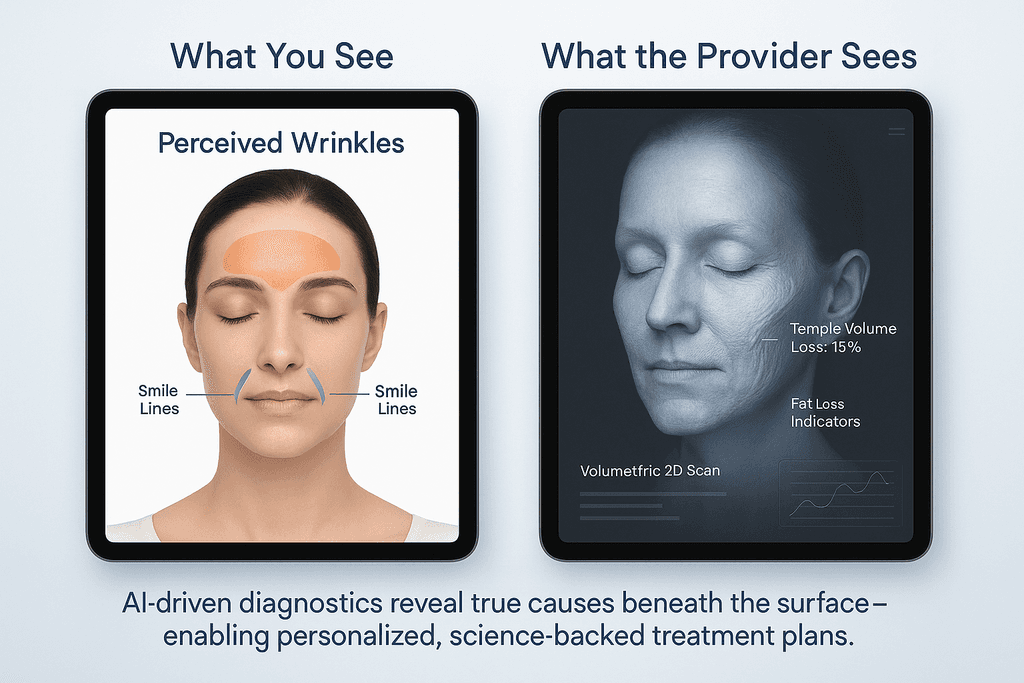
Making Your Personal Treatment Decision
The truth is, most people who walk into a clinic thinking they need one specific treatment often walk out with a completely different plan. That's because what you see in the mirror and what a trained provider sees are two very different things. Your forehead lines might actually be caused by volume loss in your temples, not just muscle movement. Or those smile lines could be a combination of both dynamic wrinkles and lost facial fat. Professional assessment matters more than any online quiz or self-diagnosis because the human face is complex, and effective treatment requires understanding how all these factors work together.
Several personal factors shape which treatment path makes sense for you. Your age plays a role since younger skin typically responds differently than mature skin, but it's not the only consideration.
- Skin thickness and elasticity affect how fillers settle and how long neurotoxins last
- Your daily habits like sun exposure, smoking, or sleep patterns impact treatment longevity
- Genetic factors determine your natural facial structure and aging patterns
- Budget and maintenance preferences influence whether you prefer more frequent touch-ups or longer-lasting solutions
What to Expect During Your Consultation
At Caleyo Wellness, consultations start with understanding your goals, not pushing products. The team uses AI-powered skin analysis technology to evaluate your skin's actual condition beyond what's visible to the naked eye. This includes measuring hydration levels, elasticity, and texture patterns that help determine the best approach for choosing between facial fillers vs neurotoxins or combining both treatments.
The biggest fear most people have is looking overdone or frozen. It's a valid concern given some of the results you see out there. Natural results come from conservative treatment and proper technique, not from the products themselves. Both Emmanuel Pelayo and Jaime Calderon focus on subtle enhancements that refresh your appearance rather than changing who you are.
Treatment Satisfaction: Studies show that 87% of patients who receive combination therapy (both neurotoxins and fillers) report higher satisfaction than those who use single treatments alone.
Planning for the Long Term
Maintenance schedules vary based on your treatment choice. Neurotoxins typically need refreshing every 3-4 months, while fillers can last 6-18 months depending on the product and placement.
- Start with a free discovery call to discuss your concerns without pressure
- Schedule an in-person consultation for detailed assessment and treatment mapping
- Begin with conservative treatment to see how your body responds
- Adjust and refine at follow-up appointments based on results
Payment plans make these non-surgical smoother skin solutions more accessible than you might think. The key is finding a provider who listens to your goals and creates a realistic plan that fits your life and budget.
Your Next Step Toward Smoother Skin
The main thing to remember is that neurotoxins relax muscles while facial fillers restore volume. Neither option is better than the other because they solve different problems. If you have lines that show up when you move your face, neurotoxins are usually the answer. If you're dealing with hollowness or want more definition in certain areas, fillers make more sense.
Most people actually benefit from a combination of both treatments. The trick is figuring out which areas need what, and that's where professional guidance becomes important. What looks like a simple wrinkle might actually need volume restoration underneath, or vice versa.
At Caleyo Wellness, our dual board-certified providers Emmanuel Pelayo, NP-C, RDN, and Jaime Calderon, PA-C, specialize in creating personalized treatment plans that address your specific concerns. We look at your facial structure, skin quality, and goals to recommend the right approach for you.
The best way to know which treatment fits your needs is to talk through your concerns with someone who understands both options. We offer a free 15-minute discovery call where you can ask questions and get honest recommendations without any pressure. Sometimes the answer is simpler than you think, and sometimes it requires a more detailed plan.
Common Questions About Fillers and Neurotoxins
Choosing between facial fillers vs neurotoxins can feel confusing when you're just starting to explore non-surgical smoother skin solutions. Most people have similar questions about pain levels, timing, and what to expect from each treatment. Here are the answers to help you feel more confident about your decision.
Which treatment hurts more?
Most people find neurotoxins like Botox less uncomfortable because the needles are very tiny and the injections are quick. Dermal fillers can feel a bit more noticeable since they involve slightly larger needles and more product being placed under the skin. That said, both treatments are pretty tolerable, and many fillers now come with numbing agents mixed right in to keep you comfortable.
Can I get both treatments on the same day?
Yes, you absolutely can combine neurotoxins and fillers in one visit. In fact, many people do this because the treatments work on different types of wrinkles and aging concerns. At Caleyo Wellness, our providers often create custom treatment plans that use both to give you the most natural and complete results possible.
How do I know which one I need?
The best way to figure out which treatment fits your goals is to look at what's causing your wrinkles. If your lines show up when you smile or frown, neurotoxins are usually the answer. If you have lines that stay put even when your face is relaxed, or if you want to add volume to areas like your cheeks or lips, fillers are the better choice. A quick consultation can clear this up fast.
How long until I see results from each?
Neurotoxins take about three to seven days to start working, with full results showing up around two weeks. Fillers work much faster since you see the volume and smoothing right away, though minor swelling might hide the final look for a day or two. Both treatments deliver noticeable improvements, just on different timelines.
Are there any side effects I should know about?
Both treatments are very safe when done by trained providers. You might see some redness, slight swelling, or small bruises at the injection sites, but these usually go away within a few days. Serious side effects are rare, especially when you choose experienced professionals who understand facial anatomy and proper injection techniques.
How much do these treatments typically cost?
Pricing varies based on how much product you need and which areas you're treating. Neurotoxins are usually priced per unit, while fillers are priced per syringe. The best approach is to book a free discovery call to discuss your specific goals and get a personalized quote. Many clinics, including Caleyo Wellness, offer payment plans to make choosing wrinkle treatments more accessible.