How medical grade facials differ from spa treatments for skin health

You've probably spent hundreds on facials that left your skin glowing for a day or two, then right back where you started. The truth is, most people don't realize there's a massive difference between medical grade facial vs spa treatments, and that gap explains why some facials transform your skin while others just feel nice. Understanding the difference between facials can save you time, money, and finally get you the professional facial skin health results you've been chasing.
Table of Contents
- The Two Types of Facials Explained
- What Makes Medical Grade Facials Different
- The Spa Facial Experience and Limitations
- Which Treatment Your Skin Actually Needs
- The Real Cost of Choosing Wrong
- Your Next Step for Better Skin
- Common Questions About Medical vs Spa Facials
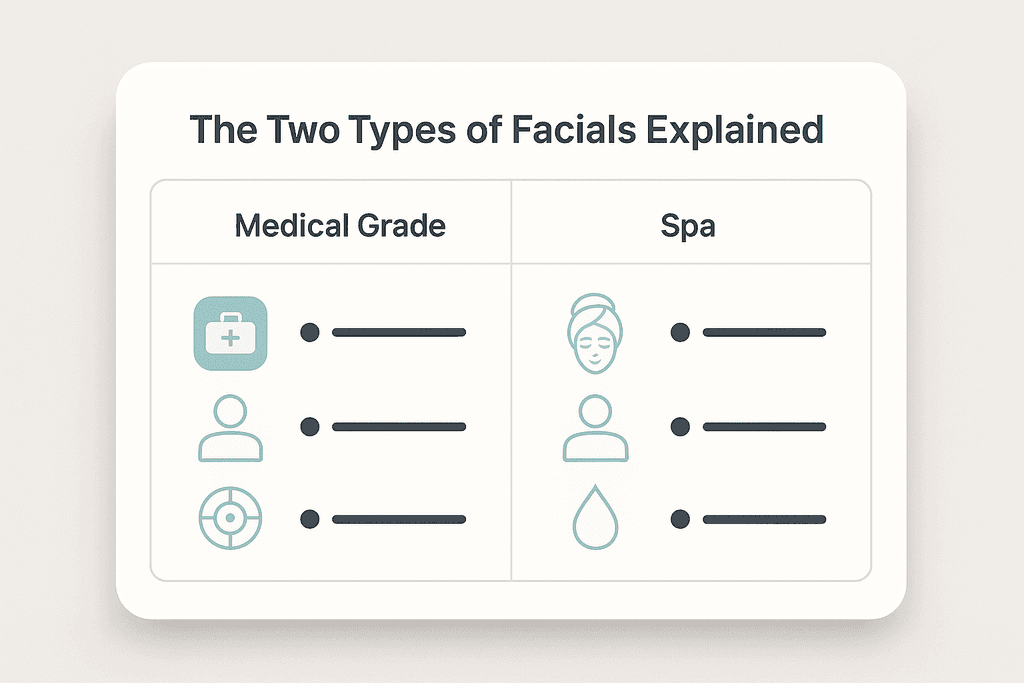
The Two Types of Facials Explained
Not all facials are created equal, and understanding the difference between medical grade facial vs spa treatments can save you time, money, and disappointment. When you book a facial, you're actually choosing between two completely different experiences with very different goals. One is designed to relax you and make your skin feel nice for a few days. The other is built to actually change your skin at a deeper level using medical science and prescription-strength products.
background section
Who Performs Your Facial Matters
The person touching your face makes a huge difference in what results you can expect. Medical facials are performed by licensed healthcare providers like nurse practitioners, physician assistants, or doctors in clinical settings like Caleyo Wellness. These professionals have years of medical training and can diagnose skin conditions, prescribe treatments, and use medical-grade equipment that spas legally cannot access.
Spa facials are typically done by estheticians who have completed beauty school programs. While estheticians are trained in skincare basics and relaxation techniques, they cannot diagnose medical conditions or use prescription-strength products. Their focus is on the surface of your skin and creating a calming experience.
Training and Regulations
The gap in training requirements is pretty significant. Here's what separates these two types of providers:
- Medical providers complete 6-8 years of healthcare education plus specialized aesthetic training
- They can legally perform procedures that penetrate deeper skin layers
- Medical facilities follow strict health department and medical board regulations
- Providers can prescribe medications and create treatment plans for skin diseases
Estheticians typically complete 300-1,500 hours of beauty school depending on the state. Their scope of practice is limited to surface-level treatments that don't require medical oversight.
Different Purposes, Different Results
The main difference between facials comes down to what you're trying to achieve. Spa facials excel at relaxation and temporary improvements. You'll leave feeling pampered with softer, cleaner skin that looks nice for a few days. They're perfect for self-care and stress relief.
Medical facials target specific skin problems like acne, hyperpigmentation, aging, or scarring. At places like Caleyo Wellness, providers use advanced diagnostic tools and medical-grade treatments to create lasting changes in your skin's health and appearance. The goal isn't just relaxation—it's measurable improvement over time.
| Feature | Medical Grade Facial | Spa Facial |
|---|---|---|
| Performed By | Licensed healthcare providers | Licensed estheticians |
| Setting | Medical clinic | Spa or salon |
| Primary Goal | Treat skin conditions | Relaxation and maintenance |
| Product Strength | Prescription and medical-grade | Over-the-counter cosmetic |
| Results Duration | Long-term improvement | Temporary enhancement |
| Can Diagnose | Yes | No |
Understanding these differences helps you choose the right treatment for your actual skin goals. If you want real change, professional facial skin health requires medical expertise and stronger interventions than a spa can legally provide.
What Makes Medical Grade Facials Different
Your skin is your body's largest organ, and treating it like anything less than a medical concern might be holding you back. When you walk into a medical clinic for a facial, you're not just getting a relaxing treatment. You're getting a clinical intervention designed to actually change your skin at a cellular level. The difference starts with who's treating you and what they're allowed to use.
What Makes Medical Grade Facials Different
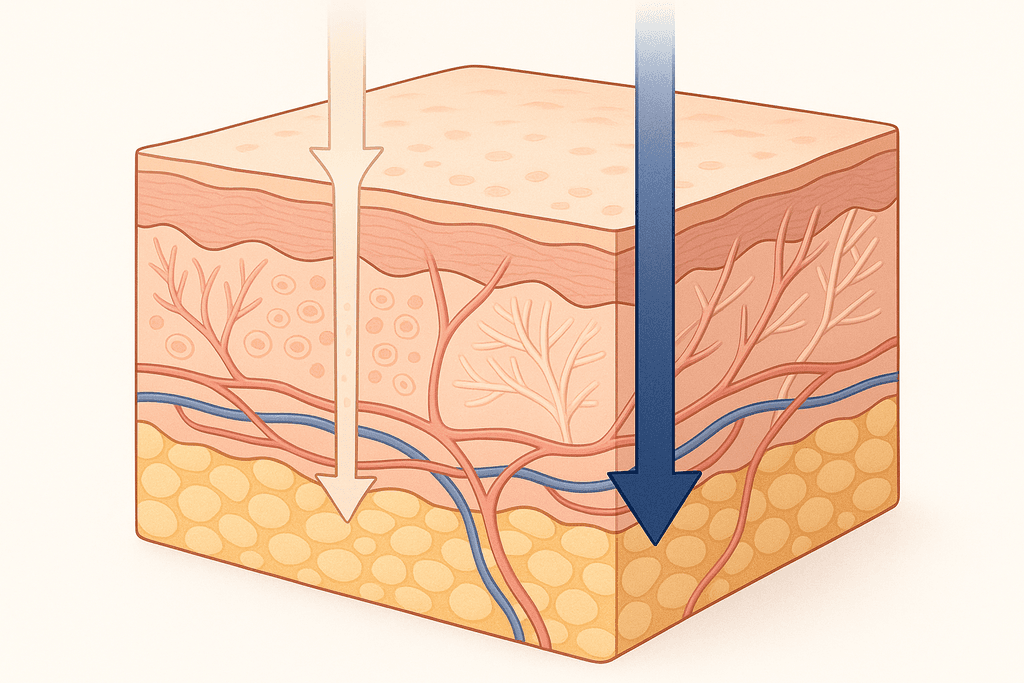
Medical facials use prescription-strength ingredients that you simply can't buy over the counter or find at a spa. We're talking about higher concentrations of active ingredients like retinoids, hydroquinone, and acids that penetrate deeper into your skin layers. At Caleyo Wellness, our dual board-certified providers can prescribe and apply these medical-grade formulations because they have the training to handle them safely.
- Clinical skin analysis using AI-powered diagnostic imaging
- Customized treatment plans based on your specific skin conditions
- Access to advanced procedures like microneedling and chemical peels
- Ability to treat medical conditions like acne, rosacea, and hyperpigmentation
- Integration with other medical treatments for comprehensive results
The technology behind medical facials tells another part of the story. Advanced diagnostic tools can measure things like hydration levels, elasticity, pigmentation patterns, and pore size with precision that goes way beyond what an esthetician can see with their eyes. This data drives every decision about your treatment, making it truly personalized rather than following a standard protocol.
Here's what most people don't realize: medical grade facials can address underlying skin health issues that spa treatments simply can't touch. When a healthcare provider examines your skin, they're looking for signs of inflammation, hormonal imbalances, or other medical factors affecting your complexion. They can adjust your treatment plan based on how your skin responds over time, not just what looks good in the moment.
The Spa Facial Experience and Limitations
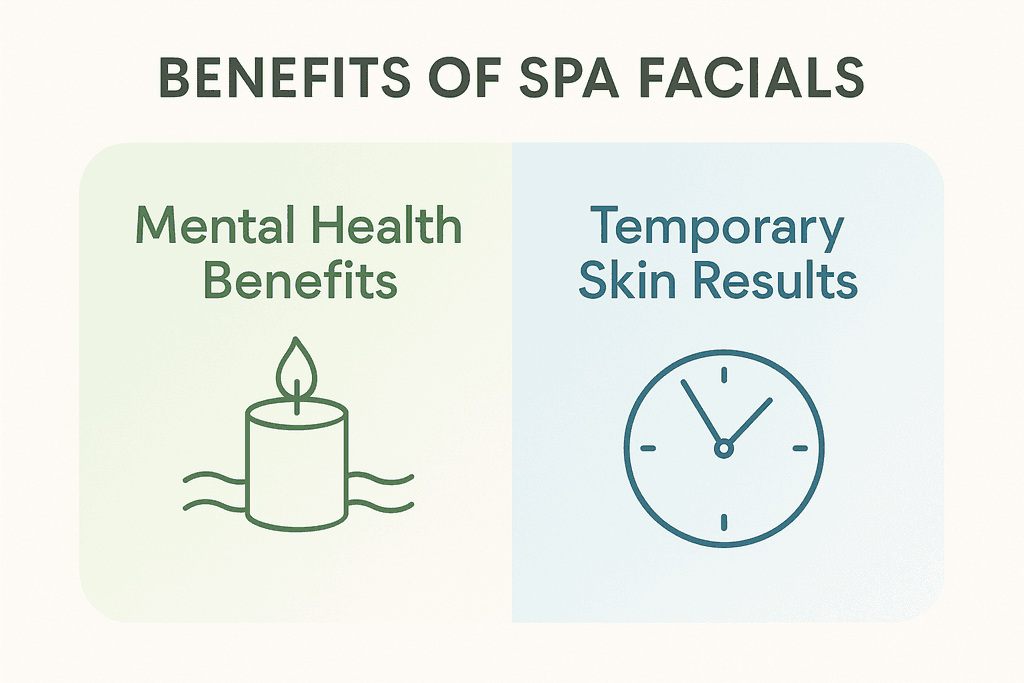
Spa facials serve a real purpose, and it's important to understand what they do well. If you're looking for an hour of relaxation with some gentle skin pampering, a spa can deliver that experience beautifully. The dim lighting, soothing music, and massage techniques create an environment designed to reduce stress. For many people, that mental health benefit alone makes spa facials worthwhile.
The Spa Facial Experience and Limitations
But the results you see are mostly temporary. Spa treatments focus on surface-level cleansing and hydration using products with lower concentrations of active ingredients. Your skin might look plumper and more radiant for a few days, but you're not getting the deeper cellular changes that lead to lasting improvement.
| Aspect | Spa Facial | Medical Facial |
|---|---|---|
| Ingredient Strength | Over-the-counter | Prescription-grade |
| Penetration Depth | Surface only | Deep dermal layers |
| Results Duration | Days to weeks | Months to permanent |
| Medical Conditions | Cannot treat | Can diagnose and treat |
The biggest limitation comes down to training and licensing. Estheticians cannot diagnose or treat medical skin conditions because they don't have medical credentials. If you have acne, melasma, or signs of premature aging, a spa professional can't prescribe the treatments that would actually fix these problems. They can make recommendations, but they're working with one hand tied behind their back.
Think of spa facials like getting your car washed versus taking it in for engine maintenance. Both have value, but they serve completely different purposes. Understanding these limitations helps you make better choices about where to invest your time and money for skin health.
Which Treatment Your Skin Actually Needs
The answer depends entirely on what you're trying to accomplish. If you're dealing with acne scars, stubborn pigmentation, or visible signs of aging, you need medical intervention. These aren't cosmetic issues that will respond to gentle spa treatments. They're skin health concerns that require prescription-strength ingredients and advanced procedures to see real change. At Caleyo Wellness, we use clinical assessment tools to identify exactly what your skin needs, then create a treatment plan that addresses those specific concerns.
For basic maintenance and stress relief, spa facials work fine. If your skin is generally healthy and you just want to feel pampered while getting a light cleanse and moisturizer, there's nothing wrong with that approach. Some people even benefit from combining both types of treatments at different times.
Signs You Need a Medical Grade Facial:
- Persistent acne or acne scarring that won't clear up
- Dark spots or uneven skin tone from sun damage
- Fine lines and wrinkles that bother you
- Rough texture or enlarged pores
- Rosacea or other inflammatory skin conditions
- Previous treatments haven't given you lasting results
Your investment matters too. Medical facials cost more upfront but deliver lasting results that actually change your skin over time. When you factor in how long the results last and the cumulative benefits of treatments like microneedling or chemical peels, the value becomes clear. Spa facials might seem more affordable, but if you're getting them monthly without seeing real improvement, you're spending money without making progress.
The best way to know what you need is to get a professional medical consultation. Our team can analyze your skin using advanced diagnostic technology and show you exactly what's happening beneath the surface. That 15-minute discovery call we offer gives you a chance to discuss your concerns and understand your options without any pressure. Because at the end of the day, your skin deserves treatment based on science, not just what feels relaxing in the moment.
The Real Cost of Choosing Wrong
Most people don't realize they're throwing money away until they've already spent hundreds on spa facials that never fixed their skin problems. The math gets ugly fast when you're booking monthly treatments that feel nice but don't address the root cause of acne, hyperpigmentation, or aging skin. What seems like a budget-friendly choice at $75-150 per session adds up to thousands over a year with nothing to show for it except temporary relaxation. Meanwhile, the actual skin concern you wanted to fix is still there, and in some cases, it's gotten worse because you delayed getting proper treatment.
The Hidden Costs of Spa Treatments
When you choose spa treatments for medical-grade concerns, you're not just wasting money on ineffective sessions. You're also spending on products that don't work, trying different estheticians hoping for better results, and dealing with the frustration of skin that won't improve no matter what you try.
- Average person spends 12-18 months trying spa facials before seeking medical help
- Trial-and-error with over-the-counter products adds $500-1,200 annually
- Delayed treatment allows conditions like melasma and acne scarring to worsen
- More severe conditions require more intensive (and expensive) medical intervention later
Why Medical Facials Deliver Better Value
A medical grade facial costs more upfront, typically $200-500 per session, but the difference between facials becomes clear when you look at actual results. Medical providers can diagnose your specific skin condition and use prescription-strength treatments that spa estheticians legally cannot access.
| Factor | Spa Facials | Medical Facials |
|---|---|---|
| Sessions needed for results | 12-24+ (ongoing) | 3-6 (targeted) |
| Total cost per year | $1,800-3,600 | $600-2,000 |
| Results duration | Days to weeks | Months to years |
| Problem resolution | Temporary improvement | Lasting correction |
At Caleyo Wellness, we see patients all the time who wish they'd started with proper diagnosis instead of years of guessing. Our AI-powered skin analysis system identifies exactly what your skin needs, so you're not wasting time or money on treatments that won't work. Plus, we offer payment plans that make medical-grade care accessible without the financial stress of paying everything upfront.
The Diagnosis Advantage
The biggest value of professional facial skin health treatment isn't just the stronger products. It's having someone who can actually diagnose what's wrong and create a treatment plan that works the first time, as explained in this comparison of medical-grade versus spa facials.
- Proper diagnosis eliminates months of trial-and-error
- Prescription treatments target root causes, not just symptoms
- Medical providers adjust protocols based on your skin's response
- You get a customized home care plan that actually supports your results
The real question isn't whether medical facials cost more. It's whether you want to keep spending money on treatments that don't work, or invest in something that actually fixes the problem.
Your Next Step for Better Skin
The difference between medical grade facial vs spa treatments really comes down to what you need. If you want measurable changes to your skin health, medical grade facials use stronger ingredients and proven techniques that actually fix problems like acne, pigmentation, and aging. Spa facials are great for relaxation and basic maintenance, but they won't give you the same results. Your specific skin concerns should guide which path makes sense for you.
At Caleyo Wellness, our medical-grade facials combine dual board-certified expertise with advanced technology like AI-powered skin analysis. This means you get a treatment plan based on actual data about your skin, not just guesswork. The professional facial skin health approach we use targets your exact issues with the right strength of ingredients and techniques.
Here's what sets medical-grade treatments apart:
- Stronger active ingredients that penetrate deeper
- Customized protocols based on your skin analysis
- Medical oversight for safety and effectiveness
- Measurable improvements you can track over time
We offer a free 15-minute discovery call to help you figure out which treatment makes sense for your goals. This isn't a sales pitch, it's a chance to talk through what's happening with your skin and what options might work. Sometimes the answer is simpler than you think, and sometimes it takes a combination approach.
The questions below cover what most people want to know about choosing between different types of facials.
Common Questions About Medical vs Spa Facials
Choosing between a medical grade facial vs spa treatment brings up a lot of questions. Most people wonder about the practical stuff like pain, cost, and whether they're even a good fit for stronger treatments. Here's what you actually need to know before booking your next appointment.
Are medical facials painful or require downtime?
Most medical grade facials cause mild discomfort rather than real pain, though it depends on the treatment. Chemical peels and microneedling might leave your skin red and sensitive for a day or two, while gentler options like medical-grade hydrating facials have almost no downtime. Your provider should walk you through what to expect based on your specific treatment plan.
How often should you get medical grade facials?
The difference between facials shows up in frequency too. Medical facials typically work best when spaced 4-6 weeks apart, giving your skin time to regenerate and build collagen between sessions. Spa facials can be done more frequently since they're gentler, but they also deliver less dramatic results. At Caleyo Wellness, we use AI-powered skin analysis to track your progress and adjust timing based on how your skin actually responds.
Can you switch from spa to medical facials?
Yes, and many people do once they realize spa treatments aren't addressing their real skin concerns. You don't need to do anything special to make the switch. A good provider will assess your current skin condition and build a treatment plan that makes sense for your goals, whether that's targeting acne scars, pigmentation, or signs of aging that regular facials can't fix.
What results can you expect and when?
Medical facials show visible improvements faster than spa treatments because they work at deeper skin layers. You might notice better texture and glow within a week, but the real changes happen over 2-3 months as collagen production ramps up. Professional facial skin health treatments build on each other, so results get better with each session rather than just giving you a temporary boost.
Who is a good candidate for medical facials?
Anyone dealing with specific skin issues like acne, scarring, sun damage, or visible aging makes a good candidate. If you've been getting spa facials but not seeing the changes you want, that's usually a sign you need something stronger. People with very sensitive skin or certain medical conditions should talk to a provider first to find the safest approach.
Does insurance cover medical grade facials?
Insurance typically doesn't cover cosmetic treatments, including medical facials, since they're considered elective. However, many clinics offer payment plans to make treatments more accessible. It's worth asking about package deals too, since committing to a series of treatments often costs less per session than paying individually.