How metabolic boosters can support your weight loss journey

Your metabolism burns up to 70% of your daily calories even when you're sitting still, yet most diets ignore this powerful weight loss engine completely. That's where metabolic boosters for weight loss come in—medical interventions that work with your body's natural calorie-burning systems rather than against them. Understanding how these science-backed tools support your metabolism can be the difference between another failed diet and lasting results.
Table of Contents
- Understanding Your Metabolic Rate
- How Metabolic Boosters Work With Your Body
- Weight Loss Medication Options That Actually Work
- Supporting Your Metabolism During Weight Loss
- Who Benefits Most From Metabolic Boosters
- Your Next Steps Toward Sustainable Weight Loss
- Common Questions About Metabolic Boosters
Understanding Your Metabolic Rate
Your body burns calories every single minute of every day, even when you're sleeping or binge-watching your favorite show. This constant calorie-burning process is called your metabolism, and it's basically your body's engine that converts food into energy. Some people have engines that run hot and fast, while others have engines that run slower and more efficiently. The speed of your metabolic engine determines how many calories you burn just by existing, which is why two people can eat the exact same meals and have completely different results on the scale.
Think of metabolism as your body's personal furnace. When it's running strong, you burn through calories quickly. When it slows down, those same calories stick around longer and get stored as fat. The tricky part is that your metabolic rate isn't set in stone—it changes based on dozens of factors you might not even realize.
What Slows Down Your Metabolism
Several things can put the brakes on your metabolic rate, and most of them happen naturally as you go through life. Age is probably the biggest culprit, but it's far from the only one.
- Every decade after age 30, your metabolism drops by about 2-4% on average
- Hormonal changes, especially thyroid issues or menopause, can significantly reduce metabolic function
- Crash dieting or severe calorie restriction actually trains your body to burn fewer calories
- Lack of muscle mass means less calorie-burning tissue in your body
- Poor sleep quality disrupts the hormones that regulate hunger and metabolism
According to research on metabolic boosters for weight loss, these factors explain why weight loss medication options and metabolism support during dieting have become so important for people struggling with stubborn weight.
Why Everyone Burns Calories Differently
Two people of the same height and weight can have metabolic rates that differ by 600 calories per day or more. That's like one person getting to eat an extra meal every single day without gaining weight. The differences come down to genetics, body composition, activity levels, and age.
| Age Group | Sedentary Metabolic Rate | Moderately Active Rate | Very Active Rate |
|---|---|---|---|
| 20-30 years | 1,800-2,000 calories/day | 2,200-2,400 calories/day | 2,600-2,800 calories/day |
| 31-50 years | 1,600-1,800 calories/day | 2,000-2,200 calories/day | 2,400-2,600 calories/day |
| 51+ years | 1,400-1,600 calories/day | 1,800-2,000 calories/day | 2,200-2,400 calories/day |
At Caleyo Wellness, our medical weight management programs use metabolic boosters and comprehensive clinical oversight to address these individual differences. We combine nutrition counseling with our 3D Precision Body Tracking technology to measure exactly how your body responds to different interventions.
The Plateau Problem
Here's where things get frustrating. When you start losing weight, your body fights back by slowing down your metabolism even more. It's an ancient survival mechanism that thinks you're starving, so it holds onto every calorie it can.
- Your body can reduce its metabolic rate by 10-15% during extended dieting
- Hormones like leptin drop, making you hungrier and more tired
- Your muscles become more efficient, burning fewer calories for the same activities
This metabolic adaptation is why so many people hit weight loss plateaus after a few weeks or months of progress. The strategies that worked initially stop working because your body has literally changed how it processes energy. That's exactly why metabolism support during dieting isn't just helpful—it's often necessary to keep making progress toward your goals.
How Metabolic Boosters Work With Your Body
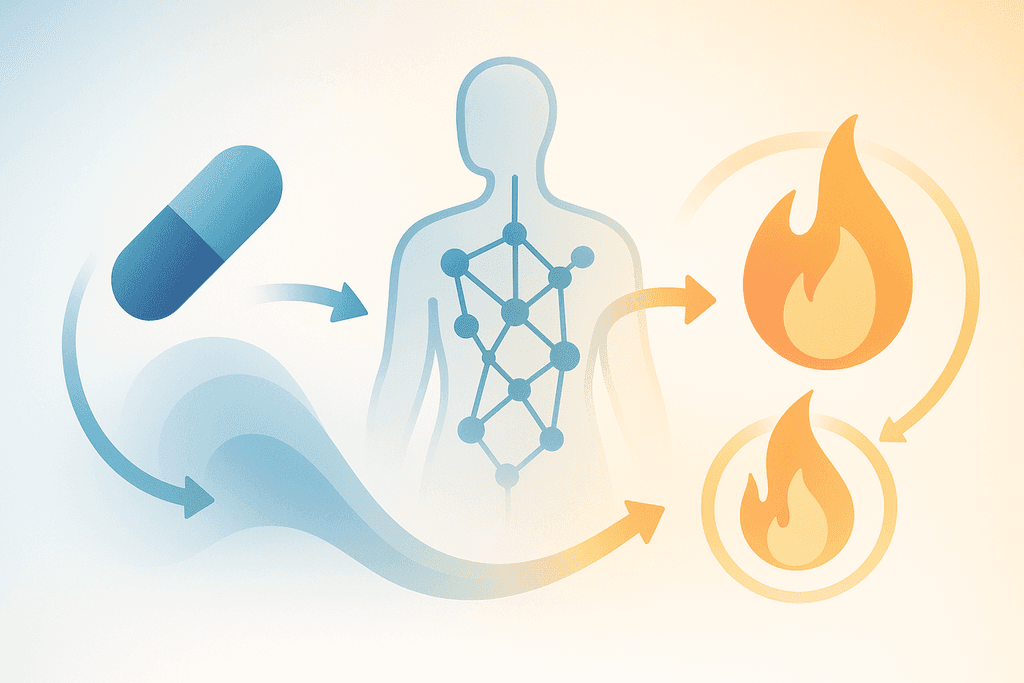
Your metabolism isn't just one thing. It's actually a complex network of chemical reactions happening in your cells right now, converting food into energy and deciding what gets stored as fat. When people talk about metabolic boosters for weight loss, they're referring to medications and interventions that work with these natural processes to help your body burn fat more efficiently. The science behind these treatments has come a long way in recent years, and understanding how they work can help you make better decisions about your weight loss journey.
How Metabolic Boosters Work With Your Body
The most talked-about metabolic boosters right now are GLP-1 medications, which mimic a hormone your gut naturally produces after eating. These medications do something pretty remarkable: they slow down how quickly food leaves your stomach, help regulate blood sugar levels, and send signals to your brain that you're full. This isn't about willpower anymore. It's about working with your body's existing systems instead of fighting against them.
- Appetite regulation: GLP-1 medications reduce hunger signals in the brain
- Blood sugar control: They help insulin work more effectively
- Slower digestion: Food stays in your stomach longer, keeping you satisfied
- Fat oxidation: Your body becomes more efficient at burning stored fat for energy
Another key mechanism is thermogenesis, which is just a fancy word for heat production in your body. Some metabolic support medications and nutrients increase the rate at which your cells burn calories, even when you're sitting still. Think of it like turning up the thermostat in your house. Your body has to work harder to maintain its temperature, which means burning more energy throughout the day.
Here's what most people get wrong though. These medications aren't magic pills that work while you eat whatever you want and skip the gym. They're tools that make the hard work of diet and exercise more effective. At Caleyo Wellness, the medical weight management approach combines these metabolic boosters with personalized nutrition plans and lifestyle changes, because that's what actually creates lasting results.
Weight Loss Medication Options That Actually Work
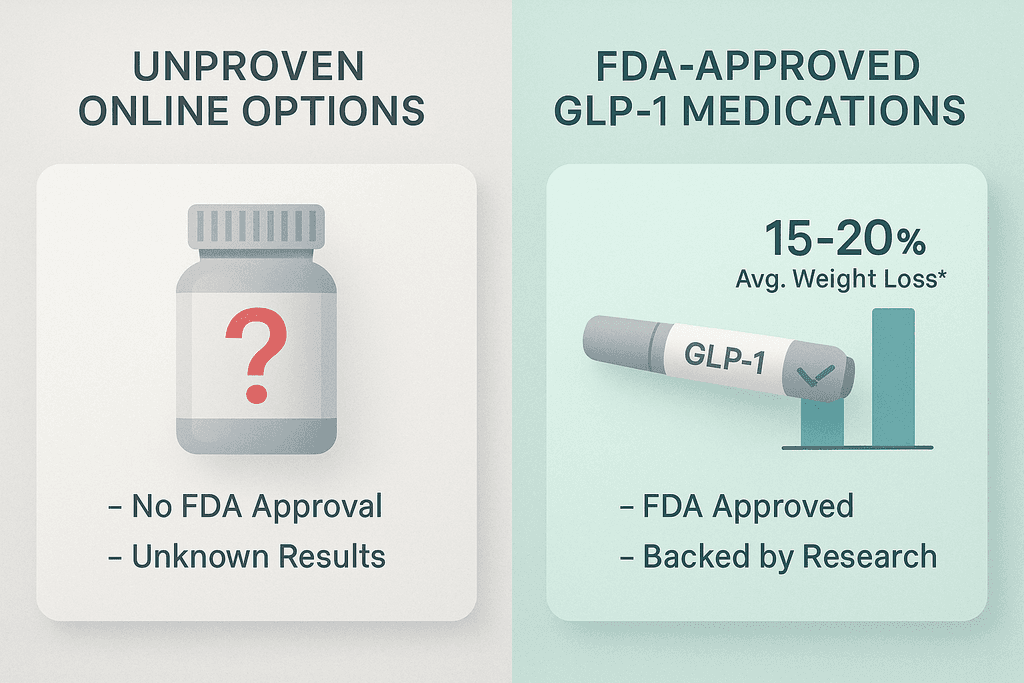
Not all weight loss medications are created equal, and frankly, some of the stuff you see advertised online is complete nonsense. The FDA has approved several medications that have solid research backing them up, and knowing the difference between proven options and snake oil matters. GLP-1 receptor agonists like semaglutide and tirzepatide have shown the most impressive results in clinical trials, with patients losing an average of 15-20% of their body weight when combined with lifestyle changes.
Weight Loss Medication Options That Actually Work
Semaglutide works by targeting one receptor, while tirzepatide hits two different pathways in your body. Both have been studied extensively, and the data shows they're effective for most people who stick with the treatment. But effectiveness varies based on your individual metabolism, health history, and how well you follow the complete program.
Research shows: Patients using GLP-1 medications with structured nutrition support lost 2-3 times more weight than those using medication alone. Studies on active nutrition programs demonstrate that combining metabolic boosters with professional dietary guidance significantly improves outcomes.
Beyond prescription medications, metabolic support through vitamin injections and IV therapy can play a supporting role. B-complex vitamins, for example, are essential for converting food into energy. When you're in a calorie deficit, your body needs these nutrients even more. Lipotropic injections containing compounds like methionine and choline help your liver process fats more efficiently.
- Vitamin B12 injections: Support energy production and red blood cell formation
- Lipotropic compounds: Aid in fat metabolism and liver function
- NAD+ IV therapy: Supports cellular energy and metabolic function
- Amino acid infusions: Preserve muscle mass during weight loss
Let's talk about realistic expectations for a second. Most people using weight loss medication options see their best results in the first 6-12 months. You're not going to lose 50 pounds in a month, and anyone promising that is lying to you. Healthy, sustainable weight loss typically ranges from 1-2 pounds per week, though initial losses can be higher as your body sheds water weight.
The approach at Caleyo Wellness involves customizing medication protocols based on your specific metabolic profile, health conditions, and goals. Some people respond better to certain medications than others, and having providers who can adjust your treatment plan makes a real difference in your results.
Supporting Your Metabolism During Weight Loss
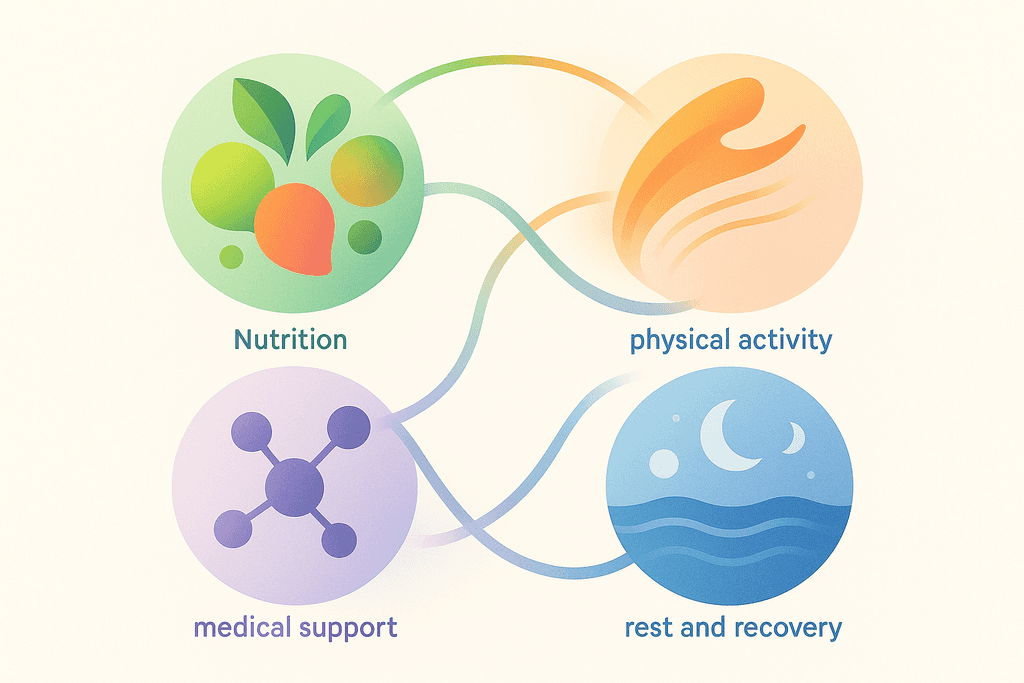
Here's something that surprises most people: losing weight actually slows down your metabolism. Your body interprets calorie restriction as a potential threat and tries to conserve energy. This is why the scale sometimes stops moving even when you're doing everything right. The good news is that you can minimize this metabolic slowdown with the right strategies, and some of them are more important than the medications themselves.
Supporting Your Metabolism During Weight Loss
Protein intake becomes critical when you're losing weight. Your body needs amino acids to maintain muscle tissue, and muscle is metabolically active, meaning it burns calories even at rest. Most people should aim for at least 0.7-1 gram of protein per pound of body weight when they're in a calorie deficit. That's a lot more than most people eat naturally.
- Calculate your protein target based on your current weight
- Spread protein intake across all meals, not just dinner
- Choose high-quality sources like lean meats, fish, eggs, and legumes
- Consider protein supplements if you struggle to meet your goals through food alone
Strength training is non-negotiable if you want to keep your metabolism humming along. Research from Harvard shows that people who maintain muscle mass during weight loss have better long-term success keeping the weight off. You don't need to become a bodybuilder, but lifting weights 2-3 times per week makes a measurable difference.
Two factors that often get ignored are sleep and stress management. When you're sleep-deprived, your body produces more cortisol and ghrelin, hormones that increase appetite and promote fat storage. Poor sleep also makes you more insulin resistant, which means your body has a harder time processing carbohydrates efficiently. Aim for 7-9 hours of quality sleep each night.
Metabolism support checklist:
- Hit your protein target daily
- Strength train at least twice weekly
- Get 7-9 hours of sleep per night
- Manage stress through meditation, walking, or other relaxation techniques
- Stay hydrated with at least 64 ounces of water daily
- Track progress with body composition measurements, not just scale weight
Speaking of tracking progress, the scale doesn't tell the whole story. You could be losing fat and gaining muscle at the same time, which means the number on the scale barely moves even though your body is completely changing. This is where 3D body tracking technology becomes incredibly valuable. At Caleyo Wellness, the 3D Precision Body Tracking system creates detailed visualizations of your body composition, showing exactly where you're losing fat and how your measurements are changing over time.
Professional nutritional counseling ties all of this together. Having someone who understands metabolism support during dieting can help you adjust your plan when progress stalls, identify nutrient deficiencies that might be holding you back, and create meal plans that actually fit your lifestyle. The combination of medical oversight, personalized nutrition, and advanced tracking creates a framework where metabolic boosters can do their best work.
Who Benefits Most From Metabolic Boosters
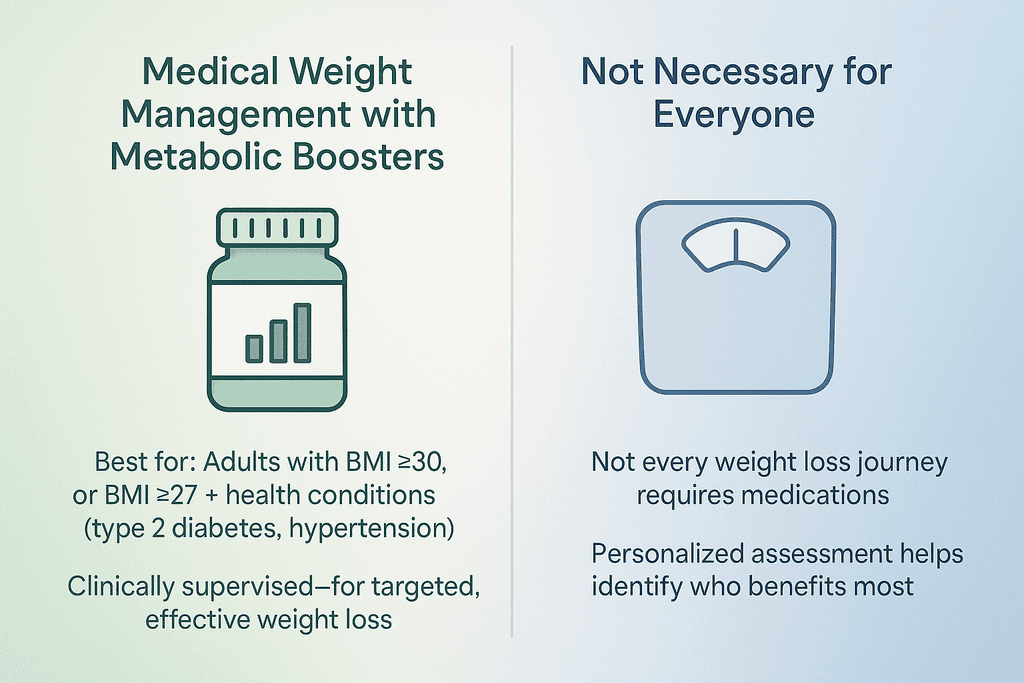
Not everyone who wants to lose weight needs metabolic boosters, and that's actually a good thing. These medications work best for specific groups of people who meet certain health criteria. Generally, candidates include adults with a BMI of 30 or higher, or those with a BMI of 27 or above who also have weight-related health conditions like type 2 diabetes or high blood pressure. The key difference between medical weight management and trying things on your own is that a qualified provider can determine if you're actually a good candidate or if other approaches might work better for your situation.
Medical Supervision Makes the Difference
The biggest misconception about weight loss medication options is that they're a shortcut or somehow "cheating" at weight loss. In reality, these tools require just as much commitment as any other approach. What makes them effective is the medical oversight that comes with proper use.
- Comprehensive health assessments identify underlying issues that might affect weight loss
- Regular monitoring catches potential side effects early before they become problems
- Dosage adjustments ensure you're getting the right amount for your body
- Professional guidance helps you combine medications with nutrition and lifestyle changes
At Caleyo Wellness, dual board-certified providers Emmanuel Pelayo, NP-C, RDN, and Jaime Calderon, PA-C, bring both medical and nutritional expertise to every weight management plan. This matters because metabolic boosters for weight loss don't work in isolation—they need to be part of a bigger strategy.
Realistic Expectations and Safety Concerns
Most people worry about side effects, and that's completely reasonable. The truth is that side effects can happen, but they're usually manageable when you're working with experienced providers who know how to adjust your treatment plan.
- Common side effects like nausea often improve as your body adjusts
- Serious complications are rare but can be caught early with proper monitoring
- Individual health history determines which medications are safest for you
The DIY approach to metabolism support during dieting often misses critical factors like protein intake timing and metabolic adaptation. Medical providers can track these variables and adjust your plan based on actual data, not guesswork. That's why comprehensive assessment before starting any metabolic booster program isn't just recommended—it's essential for both safety and results.
Your Next Steps Toward Sustainable Weight Loss
The truth is, metabolic boosters for weight loss work best when they're part of a bigger plan. You can't just take a medication or supplement and expect everything to change on its own. The most successful approaches combine medical support, personalized nutrition, and regular tracking to make sure you're actually moving in the right direction. That's where the difference between DIY attempts and professional guidance really shows up.
When you work with a medical team, you get access to prescription-strength metabolism support during dieting that isn't available over the counter. More importantly, you get someone monitoring your progress and adjusting things when they're not working. At Caleyo Wellness, our medical weight management programs include regular check-ins, 3D body tracking to measure real changes, and nutrition counseling from a registered dietitian.
The best part is you don't have to commit to anything before understanding what's possible for your specific situation. We offer a free 15-minute discovery call where you can ask questions, discuss your goals, and figure out if weight loss medication options make sense for you. No pressure, no sales pitch.
Taking control of your weight loss journey means getting the right support from people who actually know what they're doing. The question isn't whether metabolic boosters work, it's whether you're using them the right way.
Common Questions About Metabolic Boosters
If you're thinking about trying metabolic boosters for weight loss, you probably have some questions. Most people do, especially when it comes to medications and long-term health. The good news is that medical weight management has come a long way, and there's solid research backing many of these treatments. Here are the answers to the most common questions we hear at our clinic.
How quickly do metabolic boosters work?
Most people start noticing changes within the first 2-4 weeks, though the timeline varies based on the specific medication and your body's response. Weight loss medication options like GLP-1 agonists typically show measurable results by week 4-6, with continued progress over several months. The key is consistency and pairing the medication with proper nutrition and lifestyle habits.
Are weight loss medications safe for long-term use?
When prescribed and monitored by qualified healthcare providers, many metabolic boosters for weight loss are approved for extended use. At Caleyo Wellness, our dual board-certified providers conduct regular check-ins and clinical oversight to ensure safety and effectiveness throughout your journey. The safety profile depends on the specific medication, your health history, and ongoing medical supervision.
What happens when you stop taking metabolic boosters?
This depends on whether you've built sustainable habits during treatment. Some people maintain their weight loss by continuing the nutrition and lifestyle changes they learned, while others may regain weight if they return to old patterns. That's why our medical weight management programs focus on creating lasting behavior changes, not just temporary fixes.
Do I still need to diet and exercise with metabolic boosters?
Yes, but it's not as hard as going it alone. Metabolic boosters make it easier to stick to healthier eating patterns by reducing hunger and cravings. Think of them as tools that help you actually follow through on the lifestyle changes you know you should make. Metabolism support during dieting works best when combined with proper nutrition and movement.
How much does medical weight management cost?
Costs vary based on the specific medications, frequency of visits, and additional services like our 3D Precision Body Tracking or nutrition counseling. We offer payment plans to make treatment more accessible, and we recommend booking a free discovery call to discuss pricing tailored to your specific needs and goals.
Can metabolic boosters help with weight loss plateaus?
Absolutely. Plateaus happen when your metabolism adapts to your current routine, and that's exactly where medical intervention can help. Our providers can adjust medications, review your nutrition plan, and use data from our AI-powered body scanner to identify what's holding you back. Sometimes a small tweak in your treatment protocol is all it takes to start seeing progress again.