How nutrition and lifestyle counseling can improve energy and focus

You slept eight hours last night, but by 2 PM you're staring at your screen unable to form a coherent thought. Most people assume they just need more coffee or better sleep, but the real culprit is often what's on your plate—or what's missing from it. Nutrition lifestyle counseling for energy targets the root causes of fatigue and brain fog, helping you understand how diet changes impact on focus and sustained mental clarity throughout your day.
Table of Contents
- The Science Behind Energy and Mental Clarity
- How Diet Changes Impact Your Focus and Energy
- Lifestyle Factors That Drain Your Energy
- What Professional Nutrition Counseling Actually Does
- Why Generic Wellness Advice Fails Most People
- Your Next Steps to Lasting Energy and Focus
- Common Questions About Nutrition and Energy
The Science Behind Energy and Mental Clarity
Your body runs on energy created inside tiny powerhouses called mitochondria that live in almost every cell. These microscopic structures take the food you eat and turn it into a chemical called ATP, which is basically fuel for everything your body does. When your mitochondria aren't working well, you feel tired, foggy, and sluggish no matter how much coffee you drink. The problem is that most people don't give their mitochondria what they need to do their job right.
What Mitochondria Need to Work
Think of mitochondria like tiny engines that need specific parts to run smoothly. Without the right nutrients, these engines sputter and slow down, leaving you dragging through your day.
- B vitamins act like spark plugs that help convert food into usable energy
- Magnesium works as a helper molecule in over 300 energy-producing reactions
- Coenzyme Q10 carries electrons through the energy production chain
- Iron delivers oxygen to cells so they can burn fuel efficiently
When even one of these nutrients runs low, your energy production drops. That's when brain fog, afternoon crashes, and constant fatigue become your new normal.
Blood Sugar and Your Brain
Your brain uses about 20% of your body's total energy, even though it only makes up 2% of your weight. It runs almost entirely on glucose from your blood, which means stable blood sugar equals stable focus and mental performance. When blood sugar spikes and crashes throughout the day, your brain goes on a roller coaster ride that kills your concentration and mood.
Most people eat in ways that create these wild swings. A bagel for breakfast sends sugar soaring, then crashing by 10 AM. The afternoon candy bar does the same thing, leaving you exhausted by dinner.
- Protein slows down sugar absorption and keeps levels steady
- Healthy fats provide long-lasting fuel without the crash
- Fiber prevents rapid glucose spikes after meals
Nutrients That Power Your Brain
Your brain makes chemicals called neurotransmitters that control everything from focus to mood to memory. These chemicals don't just appear out of nowhere—your body builds them from specific nutrients in your food. Miss those nutrients, and your brain can't make enough of the chemicals it needs to function well.
| Nutrient | Role in Energy & Focus | Common Deficiency Symptoms |
|---|---|---|
| Vitamin B12 | Creates red blood cells and supports nerve function | Extreme fatigue, brain fog, memory problems |
| Iron | Carries oxygen to brain and muscles | Weakness, poor concentration, pale skin |
| Magnesium | Regulates neurotransmitters and energy production | Muscle cramps, anxiety, trouble sleeping |
| Omega-3 Fats | Builds brain cell membranes and reduces inflammation | Poor focus, mood swings, dry skin |
| Vitamin D | Supports mood regulation and immune function | Depression, frequent illness, bone pain |
| Zinc | Helps make neurotransmitters and supports immune health | Brain fog, poor wound healing, taste changes |
Why Generic Advice Doesn't Work
Everyone's body processes nutrients differently based on genetics, stress levels, sleep quality, gut health, and dozens of other factors. A diet that gives one person amazing energy might leave another person feeling worse. That's why nutrition lifestyle counseling for energy needs to be personalized to your specific body and situation.
Generic advice like "eat more vegetables" or "cut carbs" misses the bigger picture. Maybe your body isn't absorbing nutrients well because of gut issues. Maybe stress is burning through your magnesium faster than you can replace it. Maybe your specific genetic makeup means you need more of certain vitamins than average.
- Blood work reveals hidden deficiencies that explain fatigue
- Detailed health history uncovers patterns generic advice misses
- Personalized meal plans match your schedule, preferences, and goals
- Regular check-ins allow adjustments as your body changes
At Caleyo Wellness, our nutrition lifestyle counseling for energy starts with understanding your unique body through advanced testing and detailed assessment. We look at how diet changes impact on focus for your specific situation, then build wellness strategies for fatigue that actually work for your life. It's not about following the latest diet trend—it's about giving your body exactly what it needs to produce energy and maintain focus all day long.
How Diet Changes Impact Your Focus and Energy
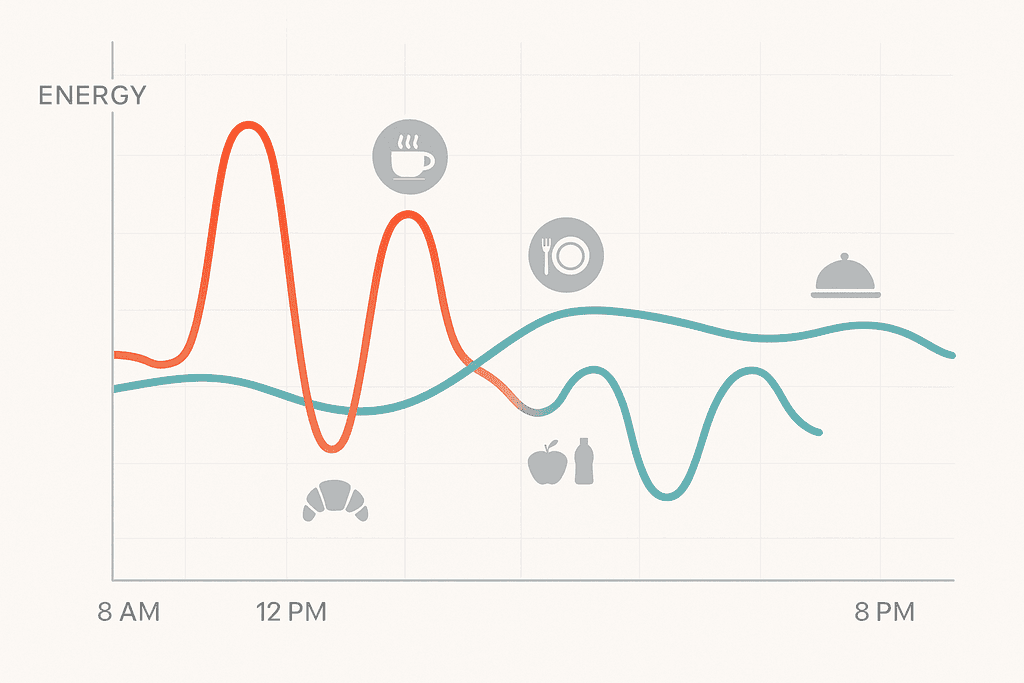
Most people don't realize that the 2pm crash they experience every day isn't normal. Your body is actually trying to tell you something important about what you ate for lunch. The connection between what's on your plate and how well your brain works is more direct than most of us think. When you eat foods that spike your blood sugar quickly, you're setting yourself up for a crash that makes focusing on anything feel impossible. It's not about willpower or drinking more coffee.
How Diet Changes Impact Your Focus and Energy
Think of blood sugar like a rollercoaster that your body has to ride all day long. When you eat a bagel or sugary breakfast, your blood sugar shoots up fast. Your body panics and releases insulin to bring it back down. But often it overshoots, leaving you tired, foggy, and reaching for another quick fix.
- Skipping breakfast might seem like a time-saver, but it actually makes your brain run on fumes
- Eating protein within an hour of waking up helps stabilize energy for hours
- Processed foods and added sugars create energy crashes within 90 minutes
- Even mild dehydration can reduce cognitive performance by up to 30%
The timing of when you eat protein matters more than most people realize. Spreading protein throughout the day keeps your blood sugar stable and gives your brain the amino acids it needs to make neurotransmitters. One client switched from cereal to eggs and noticed she could focus through morning meetings without her mind wandering.
Hydration is probably the most overlooked factor in mental performance. Your brain is about 75% water, and even a 2% drop in hydration levels can mess with your ability to concentrate. Most people walk around slightly dehydrated all day and wonder why they can't think clearly.
Lifestyle Factors That Drain Your Energy
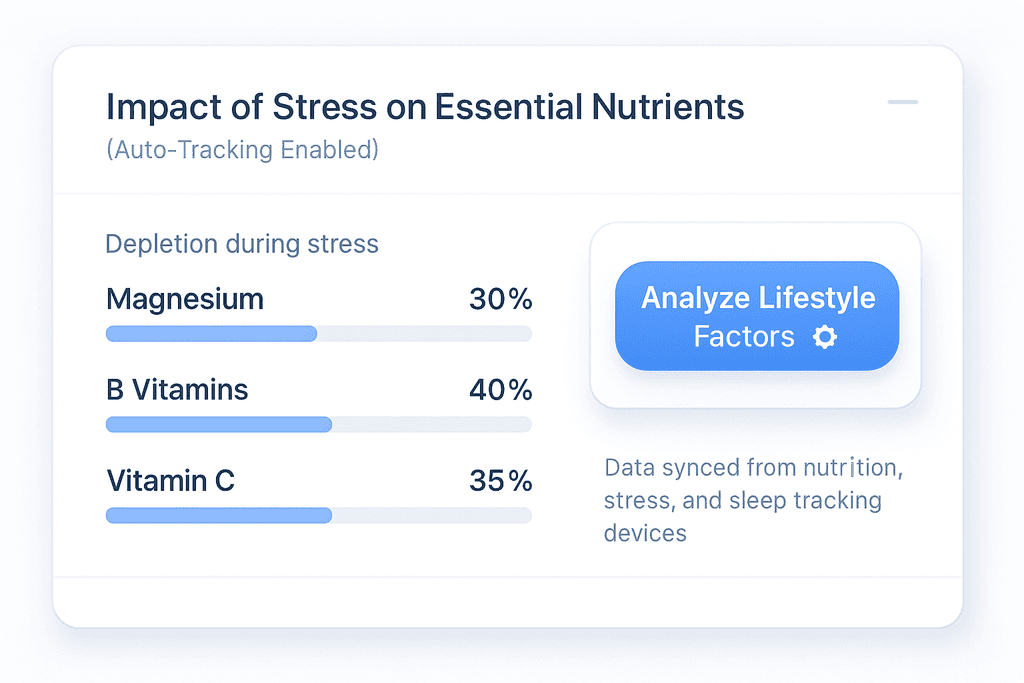
Food is only part of the energy equation. You could eat perfectly and still feel exhausted if other parts of your life are working against you. Chronic stress is one of the biggest energy thieves because it literally depletes the nutrients your body needs to function. When you're stressed, your body burns through magnesium, B vitamins, and vitamin C faster than normal. These are the same nutrients you need for energy production, so it becomes a vicious cycle.
Lifestyle Factors That Drain Your Energy
Sleep and nutrition have a relationship that goes both ways. Poor sleep makes you crave sugar and carbs the next day because your body is desperately looking for quick energy. But eating too much sugar and processed food also disrupts your sleep quality at night.
Quick lifestyle audit checklist:
- Are you sitting for more than 6 hours a day without movement breaks?
- Do you get less than 7 hours of sleep most nights?
- Is your stress level consistently high with no outlet?
- Do you eat meals at wildly different times each day?
- Are you exposed to bright screens right before bed?
Sitting all day does more than just make your back hurt. When you don't move, your mitochondria (the energy factories in your cells) become less efficient. Even a 5-minute walk every hour can make a noticeable difference in how you feel by the end of the day.
Your circadian rhythm controls more than just when you feel sleepy. It also regulates when your body produces certain hormones and how efficiently it processes food. Eating late at night or at irregular times confuses this system and can leave you feeling tired even after a full night's sleep.
What Professional Nutrition Counseling Actually Does
Generic meal plans from the internet treat everyone like they have the same body and the same life. But your metabolism, stress levels, sleep patterns, and health history are unique to you. Professional nutrition counseling starts with understanding your complete picture, not just handing you a list of foods to eat. At Caleyo Wellness, nutrition counseling is led by Emmanuel Pelayo, who is both a registered dietitian and a nurse practitioner, so he can look at your health from multiple angles. This means connecting the dots between your symptoms, your lab work, and your daily habits in ways that generic advice simply can't.
What Professional Nutrition Counseling Actually Does
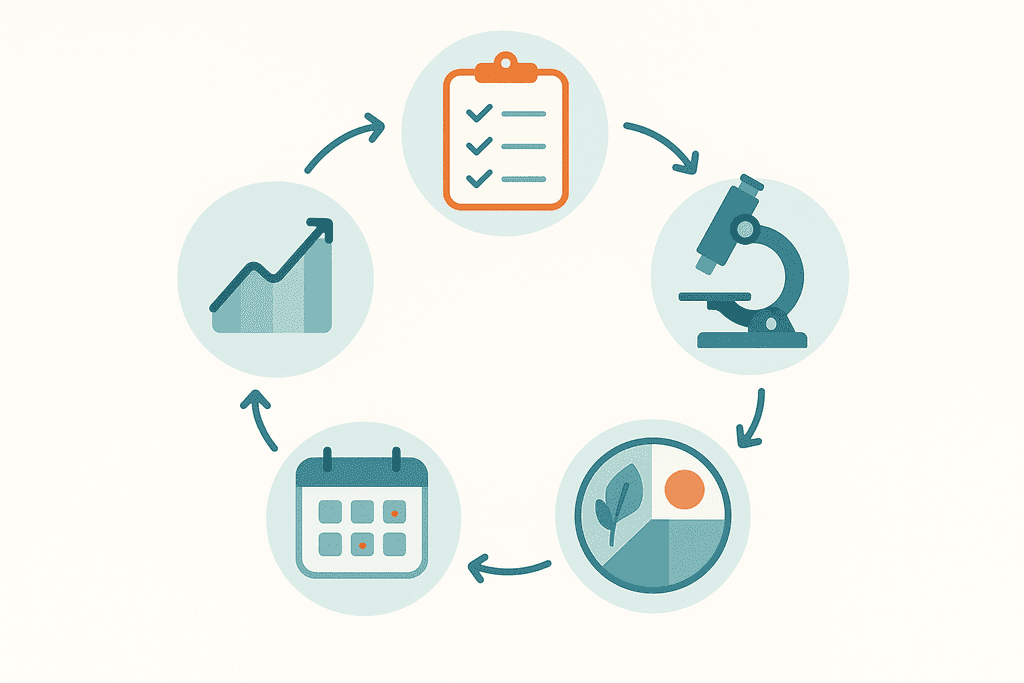
The first step is always a comprehensive assessment that goes beyond just asking what you ate yesterday. It includes looking at your energy patterns throughout the day, your stress levels, your sleep quality, and any symptoms you've been ignoring.
- Detailed review of current eating patterns and food relationships
- Analysis of energy levels, focus, and productivity throughout the day
- Functional testing to identify hidden nutrient deficiencies
- Personalized meal planning based on your actual metabolism
- Regular check-ins and adjustments as your body responds
Many people are walking around with nutrient deficiencies they don't know about because standard blood work doesn't catch them. Low iron, vitamin D, B12, or magnesium can all cause fatigue and brain fog, but you need the right tests to find them.
What makes nutrition counseling different from following a diet plan is the ongoing support and adjustments. Your body changes as you implement new habits, and what works in month one might need tweaking by month three. The combination of expert nutritional counseling with other wellness strategies for fatigue, like IV therapy for quick nutrient repletion, can speed up results when you need them. This integrated approach addresses the root causes instead of just treating symptoms.
Why Generic Wellness Advice Fails Most People
The wellness industry loves to sell universal solutions, but here's the problem: your body doesn't read the same instruction manual as everyone else's. When someone tells you that kale smoothies or intermittent fasting will fix your energy problems, they're ignoring the fact that your genetics, gut bacteria, and hormone levels are completely different from the person who swears by that approach. This is why nutrition lifestyle counseling for energy needs to be personalized, not copied from a trending Instagram post. What works for your coworker might actually make you feel worse, and that's not your fault.
The science behind bio-individuality explains why generic advice falls flat. Your genes determine how efficiently you absorb certain vitamins and minerals, while your gut microbiome decides which foods give you sustained energy versus a quick crash.
The Personalization Gap
- Generic diet plans assume everyone metabolizes carbs, fats, and proteins the same way
- Trendy superfoods might trigger inflammation in some people while helping others
- Cookie-cutter meal plans ignore individual hormone fluctuations that affect hunger and energy
- One-size-fits-all approaches can't account for medication interactions or existing health conditions
At Caleyo Wellness, our expert nutritional counseling starts with understanding your unique metabolic profile. We don't hand you a generic meal plan and wish you luck.
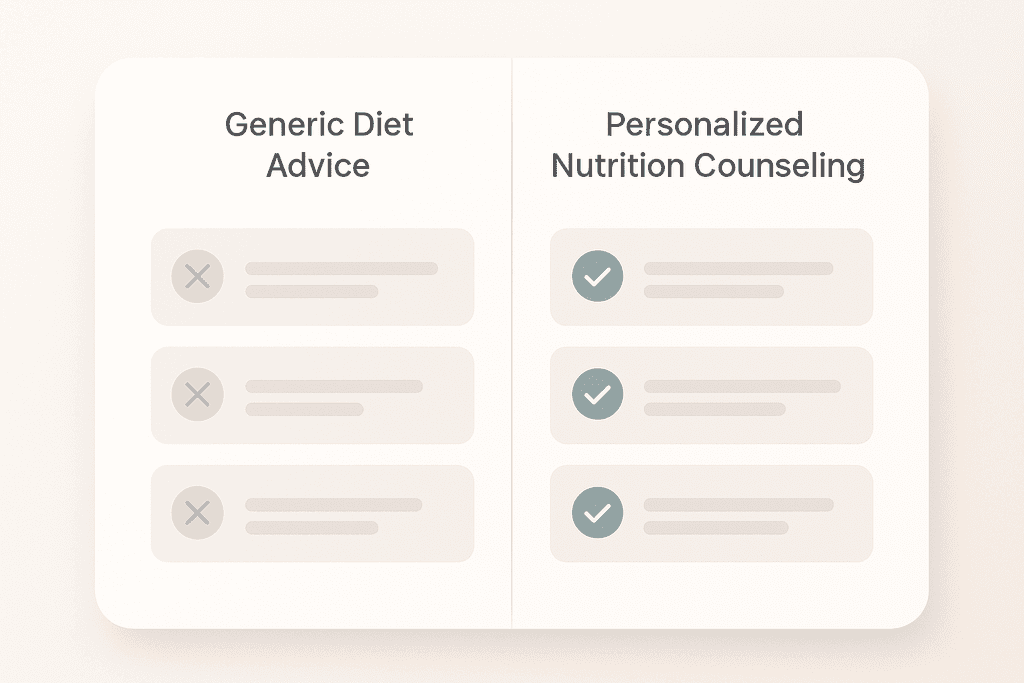
| Generic Diet Advice | Personalized Nutrition Counseling |
|---|---|
| Follow this meal plan everyone uses | Custom plan based on your metabolic data |
| Eat these "superfoods" daily | Foods selected for your genetic profile |
| Try this trending diet | Evidence-based approach for your goals |
| Guess why you're tired | Test and measure nutrient deficiencies |
| Same advice for everyone | Adjusted for hormones and gut health |
Why Data Matters More Than Trends
The difference between guessing and knowing shows up in your results. Diet changes impact on focus differently depending on whether you're addressing actual deficiencies or just following popular advice.
- Blood work reveals specific vitamin and mineral gaps affecting your energy
- Hormone testing shows why certain foods make you crash
- Gut health assessments explain digestive issues that drain your focus
This is where wellness strategies for fatigue need to move beyond generic recommendations. When you understand your body's actual needs through testing and professional analysis, you stop wasting time on approaches that were never going to work for you anyway.
Your Next Steps to Lasting Energy and Focus
The connection between what you eat and how you feel isn't just about calories or quick fixes. Your energy levels, mental clarity, and ability to focus all depend on getting the right nutrients at the right times. When you're constantly tired or struggling to concentrate, your body is usually trying to tell you something specific about what it needs.
Most people try to push through fatigue with more coffee or energy drinks, but that's just covering up the real problem. Nutrition lifestyle counseling for energy looks at what's actually causing your symptoms instead of just masking them. The diet changes impact on focus can be pretty dramatic once you figure out what your body has been missing.
Working with someone who understands both the science and the practical side makes a real difference. At Caleyo Wellness, our nutrition and lifestyle counseling digs into your specific situation to create a plan that actually fits your life. We use wellness strategies for fatigue that address root causes, not just surface-level symptoms.
The best part is that sustainable changes don't have to be complicated. When you have expert guidance and a clear plan tailored to your needs, the results tend to stick around. If you're curious about what personalized nutrition counseling could do for your energy and focus, we offer a free 15-minute discovery call to talk through your goals and see if it's a good fit.
You probably have some questions about how this all works in practice, so let's address those next.
Common Questions About Nutrition and Energy
When you're dealing with low energy and brain fog, you probably have a lot of questions about whether nutrition lifestyle counseling for energy can actually help. Most people wonder if diet changes impact on focus quickly enough to be worth the effort, or if they need more intensive testing first. Here are the answers to the most common questions we hear from people looking into wellness strategies for fatigue and how professional nutrition counseling actually works in real life.
How quickly can I expect to see improvements in energy?
Most people notice some changes within the first week or two, especially if they've been dealing with blood sugar crashes or dehydration. Bigger improvements in sustained energy and mental clarity usually show up around the 3-4 week mark once your body adjusts to better fuel. The timeline depends on what's causing your fatigue in the first place, which is why personalized nutrition counseling helps you target the right issues faster than guessing on your own.
Do I need lab testing or can I just change my diet?
You can definitely start with diet changes and see how you feel, but lab testing takes the guesswork out of it. Testing shows you exactly what's going on with your nutrient levels, blood sugar, thyroid function, and other markers that directly affect energy. At Caleyo Wellness, our nutrition and lifestyle counseling often includes functional testing so we're not just making educated guesses about what your body actually needs.
What's the difference between a nutritionist and a registered dietitian?
A registered dietitian has completed specific education requirements, passed a national exam, and maintains credentials through continuing education. The term nutritionist isn't always regulated, so anyone can sometimes use it without formal training. When you work with someone like Emmanuel Pelayo at our clinic, you're getting both board-certified medical expertise and registered dietitian credentials, which means you're getting medical-grade nutrition advice backed by real clinical training.
Can nutrition counseling help with chronic fatigue syndrome?
Nutrition counseling can be a helpful part of managing chronic fatigue, though it's rarely the only solution. Many people with chronic fatigue have underlying issues like nutrient deficiencies, gut problems, or blood sugar imbalances that make symptoms worse. A functional medicine approach looks at these root causes and builds a plan that supports your body's ability to produce and maintain energy, even if it doesn't cure the condition entirely.
How does nutrition counseling work with other treatments like IV therapy?
Nutrition counseling and IV therapy actually work really well together because they address energy from different angles. IV therapy gives you an immediate boost by delivering nutrients directly into your bloodstream, while nutrition counseling builds the foundation for long-term energy through daily food choices. At Caleyo Wellness, we often combine both approaches so you feel better quickly and then maintain those results through sustainable diet and lifestyle changes.
What if I've tried everything and nothing has worked?
If you've tried multiple diets and supplements without success, you're probably missing a piece of the puzzle that only shows up through proper testing and expert analysis. Most people who say nothing works haven't had a truly personalized plan based on their specific lab results, health history, and lifestyle factors. Our approach uses data from advanced diagnostics and functional medicine principles to figure out what's actually blocking your energy, not just what works for most people.