How to Plan a Supplementation Protocol That Actually Works

You walk into a pharmacy or scroll through an online store, grab a few bottles that sound promising, and hope for the best. Most people build their supplement routines this way, which explains why so many end up with expensive bottles collecting dust in the cabinet. The difference between wasting money and seeing real results comes down to understanding your unique body chemistry and health needs, something effective supplementation plans are built on from the start.
Table of Contents
- The Science Behind Personalized Supplementation
- Start With Comprehensive Health Assessment
- Design Your Custom Supplement Stack
- Track Progress and Adjust Your Protocol
- Common Supplementation Mistakes to Avoid
- Your Next Steps Toward Effective Supplementation
- Supplementation Protocol Questions Answered
The Science Behind Personalized Supplementation
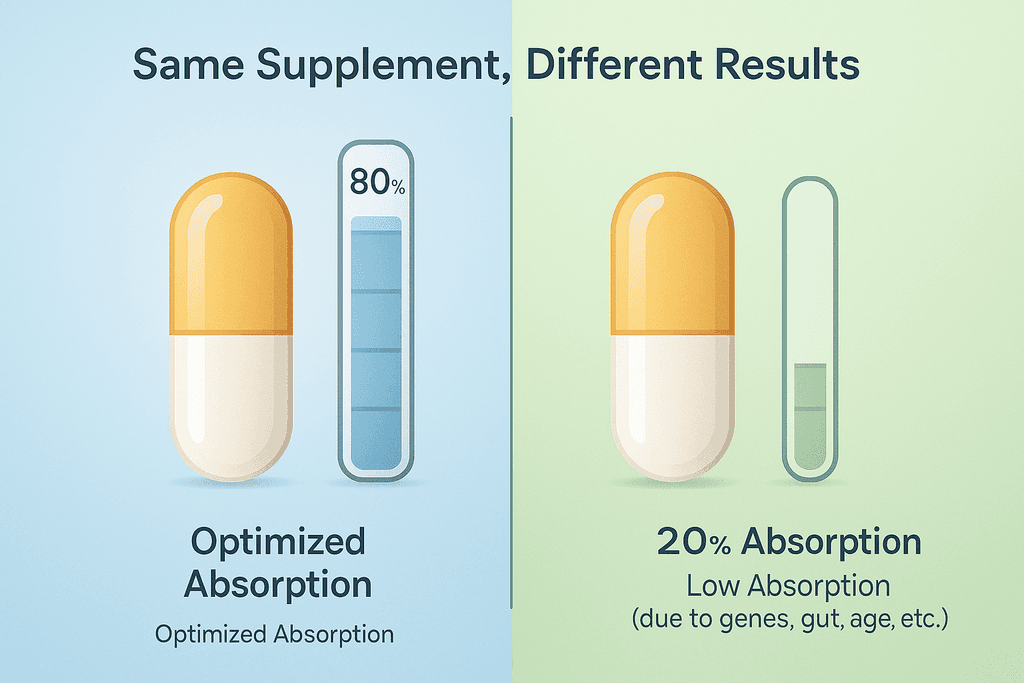
Your body processes vitamins and minerals completely differently than the person sitting next to you. Two people can take the exact same supplement at the same time, and one might absorb 80% of the nutrients while the other only gets 20%. This happens because of differences in your genes, gut health, age, medications, and even what you ate for breakfast. Research on supplement effectiveness shows that individual biology plays a huge role in whether supplements actually work or just create expensive urine.
Why Your Body Is Unique
Think of your digestive system like a factory with its own set of rules. Some factories run fast, others run slow, and some have broken equipment that needs fixing first. Your genetics determine how well you break down certain nutrients, while your lifestyle choices affect how much your body actually needs.
- Genetic variations can make you absorb 3-5 times less of certain vitamins compared to others
- Chronic stress depletes magnesium and B vitamins faster than normal
- Medications like antacids or birth control can block nutrient absorption
- Age naturally reduces stomach acid, making it harder to absorb B12 and iron
At Caleyo Wellness, our personalized supplementation protocols start with actual blood work and diagnostic testing, not guesswork. We look at what your body is missing and why.
Bioavailability Matters More Than Dosage
The form of a supplement matters just as much as the amount. Magnesium oxide might be cheap, but your body only absorbs about 4% of it. Magnesium glycinate absorbs at nearly 80%. That's a massive difference that most people never consider when buying supplements.
| Nutrient | Low Bioavailability Form | High Bioavailability Form | Absorption Rate Difference |
|---|---|---|---|
| Magnesium | Magnesium Oxide (4%) | Magnesium Glycinate (80%) | 20x higher |
| Vitamin B12 | Cyanocobalamin (oral) | Methylcobalamin (sublingual) | 3-4x higher |
| Iron | Ferrous Sulfate (10-15%) | Iron Bisglycinate (25-30%) | 2x higher |
| Curcumin | Standard Extract (1%) | With Piperine (20x) | 20x higher |
Timing and Combinations Change Everything
Taking calcium and iron together blocks absorption of both. Fat-soluble vitamins like D and K need to be taken with food containing fat, or they pass right through you. These details make the difference between an effective supplementation plan and wasted money.
- Vitamin D absorption increases by 50% when taken with a meal containing healthy fats
- Zinc and copper compete for absorption and should be taken separately
- B vitamins work better together as a complex rather than isolated
This is why our expert nutritional counseling at Caleyo Wellness includes specific timing protocols. We map out exactly when to take what, based on your schedule and other medications. The goal is making sure your body actually uses what you're giving it, not just processing it as waste.
Start With Comprehensive Health Assessment
Most people start taking supplements based on what they read online or what worked for a friend. But here's what most don't realize: your body's needs are completely different from anyone else's. What helps someone else might do nothing for you, or worse, create imbalances you didn't have before. The only way to build a supplement plan that actually works is to start with real data about what's happening inside your body right now. This means getting the right tests done and understanding your complete health picture before you spend a dollar on supplements.
Start With Comprehensive Health Assessment
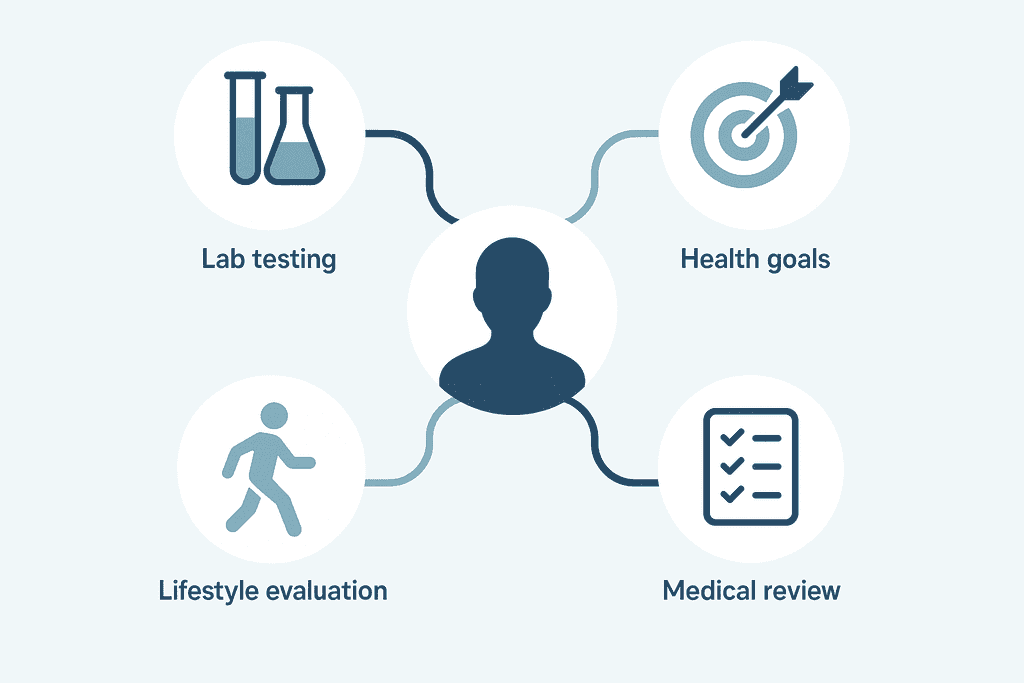
Blood work and lab testing form the foundation of any effective supplementation plan. Without knowing your baseline levels, you're essentially guessing. Standard panels often miss key markers that matter for wellness, which is why functional medicine approaches dig deeper into root causes rather than just surface symptoms.
- Complete blood count and comprehensive metabolic panel to assess overall health
- Vitamin D, B12, folate, and iron levels to identify common deficiencies
- Thyroid function tests including TSH, T3, and T4
- Inflammatory markers like CRP to understand systemic inflammation
- Hormone panels when relevant to symptoms and goals
Your medical history matters just as much as your lab results. Certain medications can interfere with supplement absorption or create dangerous interactions. For example, some supplements can affect blood thinners or blood pressure medications in ways that aren't immediately obvious. At Caleyo Wellness, our dual board-certified providers review your complete medication list and health history to avoid these pitfalls before designing your protocol.
Lifestyle factors like sleep quality, stress levels, diet patterns, and exercise habits all influence which supplements will actually help you. Someone who sleeps four hours a night needs a different approach than someone dealing with chronic stress or following a restrictive diet. These details shape not just which supplements you need, but how much and when to take them.
Essential Assessment Checklist
- Comprehensive blood work including vitamin and mineral levels
- Complete medication and supplement inventory review
- Detailed diet and lifestyle questionnaire
- Clear documentation of symptoms and health goals
- Discussion of previous supplement experiences and reactions
Design Your Custom Supplement Stack
Once you know what your body actually needs, the next step is choosing the right supplements in the right forms and doses. This is where most people get overwhelmed by the thousands of options at the pharmacy or online. Not all supplements are created equal, and the cheapest option usually isn't doing much for you. The form of a nutrient matters just as much as the dose because your body can only use what it can actually absorb.
Bioavailability is the key word here. It refers to how much of a supplement your body can actually use after you swallow it. Some forms of magnesium, for example, absorb at rates below 10%, while others reach 50% or higher. The difference between these forms can mean the difference between results and wasted money.
| Supplement | High Bioavailability Form | Best Timing |
|---|---|---|
| Magnesium | Glycinate or Threonate | Evening with food |
| Vitamin D | D3 with K2 | Morning with fat |
| B12 | Methylcobalamin | Morning on empty stomach |
| Iron | Bisglycinate | Morning away from calcium |
Prioritizing your supplements based on your specific deficiencies and goals keeps things manageable. You don't need to take 20 different pills every day. Start with what matters most for your health concerns, then add other supplements gradually if needed. Therapeutic dosing during the correction phase often looks different from maintenance dosing once your levels normalize.
The registered dietitians at Caleyo Wellness create evidence-based protocols that account for all these variables. They consider not just what you need, but potential interactions between supplements and with any medications you're taking. Some nutrients compete for absorption, while others work better together. Research on supplement study design shows how complex these interactions can be, which is why professional guidance matters.
Quality control in the supplement industry varies wildly. Third-party testing, manufacturing standards, and ingredient sourcing all affect whether you're getting what the label promises. Medical-grade supplements used in clinical settings typically undergo more rigorous testing than what you'll find at most retail stores.
Track Progress and Adjust Your Protocol
Taking supplements without tracking results is like driving with your eyes closed. You need to know if what you're doing is actually working. This means setting clear baseline measurements before you start and then monitoring specific markers over time. Some changes happen quickly, while others take months to show up in your labs or how you feel. Understanding these timelines helps you stay consistent instead of giving up too soon or continuing something that isn't helping.

Track Progress and Adjust Your Protocol
Follow-up testing should happen at strategic intervals based on what you're addressing. Vitamin D levels might need checking after 8-12 weeks, while iron stores can take 3-6 months to rebuild. Your symptoms matter too, not just lab numbers. Energy levels, sleep quality, mood, and physical performance all provide valuable feedback about whether your protocol is working.
- Retest key biomarkers at appropriate intervals (usually 8-12 weeks initially)
- Keep a simple log of how you feel, including energy, sleep, and any symptoms
- Note any side effects or digestive issues that might indicate dosing problems
- Track adherence honestly so you know if results reflect the actual protocol
Adjustments are normal and expected. Your body changes, your needs shift with seasons and stress levels, and what worked initially might need tweaking. Red flags like new digestive issues, headaches, or worsening symptoms mean something needs to change right away. Don't push through side effects hoping they'll resolve on their own.
At Caleyo Wellness, ongoing monitoring and protocol refinement happen through regular check-ins with your provider. This medical oversight catches issues early and optimizes your results over time. The goal isn't to stay on the same supplements forever, but to use them strategically to address specific needs and then adjust as those needs change.
Key Monitoring Metrics
- Lab values for nutrients you're supplementing (retest every 8-12 weeks initially)
- Subjective energy and mood ratings tracked weekly
- Sleep quality and duration patterns
- Any new symptoms or side effects
- Changes in other health markers like blood pressure or weight
- Actual adherence rate to your protocol
The difference between supplements that work and supplements that waste your money comes down to this systematic approach. Personalized dietary supplement protocols based on individual data consistently outperform generic recommendations. When you combine proper assessment, quality products, and ongoing adjustments, supplements become a powerful tool for optimizing your health rather than just another expense that might not do anything.
Common Supplementation Mistakes to Avoid
Most people waste between $40 to $200 every month on supplements that don't work for their body. The supplement industry makes it easy to buy products, but almost nobody talks about how to actually use them correctly. Without proper guidance, you're basically throwing money at problems and hoping something sticks. The truth is that effective supplementation plans require more than just reading a label or watching a YouTube video. What works for someone else might do absolutely nothing for you, or worse, create new problems you didn't have before.
The Most Expensive Mistakes
Taking handfuls of supplements without understanding how they interact is like mixing random ingredients and hoping for a good meal. Some supplements block each other's absorption, while others can amplify effects in dangerous ways.
- Calcium blocks iron absorption when taken together
- Fat-soluble vitamins need to be taken with food, water-soluble ones often work better on an empty stomach
- High doses of one B vitamin can create deficiencies in others
- Magnesium and zinc compete for absorption in your gut
The quality issue runs even deeper than most people realize. The formulation process for supplements involves complex decisions about ingredient forms and delivery methods that directly impact whether your body can actually use what you're taking.
Why Professional Guidance Actually Saves Money
Here's what happens when you follow influencer advice instead of working with medical professionals. You buy what's trending, take it inconsistently, never retest your levels, and eventually give up because you don't see results. The average person tries 5-7 different supplement combinations before finding something that works, if they ever do.
Studies show that up to 70% of people taking supplements have no idea if they're actually deficient in what they're supplementing. Without baseline testing and follow-up labs, you're just guessing.
At Caleyo Wellness, our dual board-certified providers create customized supplement approaches based on actual lab work and your specific health goals. We retest to verify effectiveness and adjust your protocol based on real data, not marketing hype. This approach eliminates the expensive trial-and-error phase that most people go through on their own.
The Hidden Costs Add Up Fast
- Buying multiple bottles of supplements you'll never finish
- Replacing products that caused side effects or didn't work
- Missing work or feeling worse because of incorrect supplementation
- Delaying real solutions while you experiment on yourself
The difference between random supplementation and a professional protocol isn't just about results. It's about getting those results in months instead of years, and spending less money in the process because every supplement in your plan has a specific, tested purpose.
Your Next Steps Toward Effective Supplementation
The difference between supplements that work and ones that just sit in your cabinet comes down to personalization. Generic protocols ignore your unique health markers, lifestyle factors, and specific goals. That's why the most effective supplementation plans start with proper assessment, move into customized design, and include ongoing monitoring to adjust as your body changes.
The three steps are simple but need to be done right. First, you assess where you actually are through testing and evaluation. Second, you design a protocol based on real data, not guesswork. Third, you monitor and adjust because what works today might need tweaking in three months.
Working with qualified healthcare providers makes all the difference here. At Caleyo Wellness, our supplementation protocols combine registered dietitian expertise with medical oversight from dual board-certified providers. This means your plan considers everything from nutrient absorption issues to medication interactions to your body composition goals.
Most people waste money on supplements they don't need or take the wrong doses of ones they do. A personalized approach fixes that problem and actually delivers the results you're looking for.
Ready to build a customized supplement approach that actually works for your body? Book a free discovery call to discuss your health goals and see how personalized supplementation fits into your wellness plan. The conversation takes 15 minutes and could change how you think about supplements entirely.
Supplementation Protocol Questions Answered
Starting a customized supplement approach can feel overwhelming when you're not sure what to expect. Most people have the same questions about timing, costs, and whether supplements will actually work for their specific situation. Here's what you need to know before you begin building an effective supplementation plan that fits your life.
How long does it take to see results from supplements?
Most people notice initial changes within 4-6 weeks, though some nutrients work faster than others. Energy-boosting supplements like B vitamins or iron might show effects in days, while deeper changes like improved skin quality or metabolic shifts typically take 8-12 weeks of consistent use.
Do I really need blood work before starting supplements?
Blood work isn't always required, but it's the smartest way to build a supplement protocol that actually addresses your needs. Without testing, you're basically guessing what your body lacks, which wastes money and time on things you might not need. At Caleyo Wellness, we use diagnostic testing to create personalized supplementation protocols based on your actual nutrient levels and health markers.
How much does a personalized supplement protocol cost?
Costs vary based on your specific needs and the quality of supplements recommended. Medical-grade supplements typically cost more upfront but deliver better absorption and results compared to generic store brands. A personalized protocol consultation helps identify exactly what you need so you're not buying unnecessary products.
Can I take supplements if I'm on prescription medications?
Some supplements interact with medications, which is why working with a healthcare provider matters. Certain vitamins can affect how your body processes prescription drugs, either reducing their effectiveness or causing unwanted side effects. A proper consultation reviews your current medications to ensure your supplements for wellness work safely alongside them.
How often should I update my supplement routine?
Your body's needs change as your health, stress levels, and lifestyle shift. Most people benefit from reassessing their supplement protocol every 3-6 months with follow-up testing to see what's working and what needs adjustment.
What makes medical-grade supplements different from store brands?
Medical-grade supplements use higher-quality ingredients with better bioavailability, meaning your body actually absorbs and uses them more effectively. They're also third-party tested for purity and potency, so what's on the label is actually in the bottle. Store brands often contain fillers, lower doses, or forms of nutrients that your body can't process well.