Role of hydration in maintaining plump and radiant skin
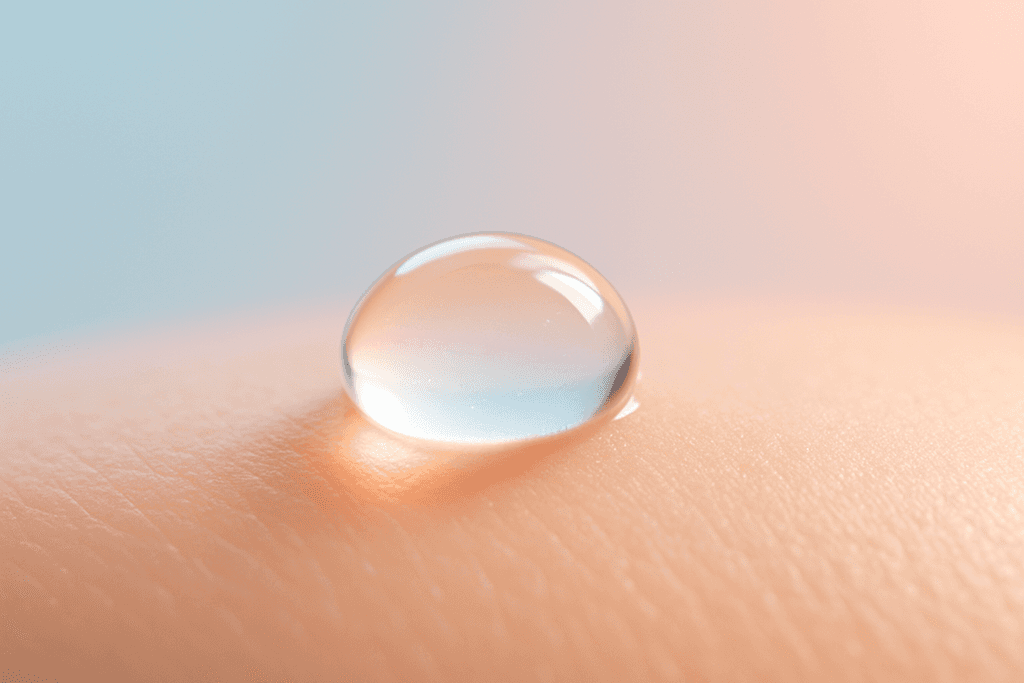
Your skin loses up to half a liter of water every single day just through normal evaporation, and that loss shows up as fine lines, dullness, and sagging before you even feel thirsty. Most people focus on creams and serums while ignoring the deeper hydration strategies that actually create plumper, healthier skin from the inside out. Understanding how hydration for skin health works at both the cellular and surface level is the first step toward getting those visible results you're after.
Table of Contents
- The Science Behind Hydrated Skin
- How Dehydration Shows Up on Your Face
- Internal Hydration Strategies That Actually Work
- External Hydration and Professional Treatments
- Building Your Complete Hydration Routine
- Why Professional Assessment Makes a Difference
- Your Path to Plumper, More Radiant Skin
- Common Questions About Skin Hydration
The Science Behind Hydrated Skin
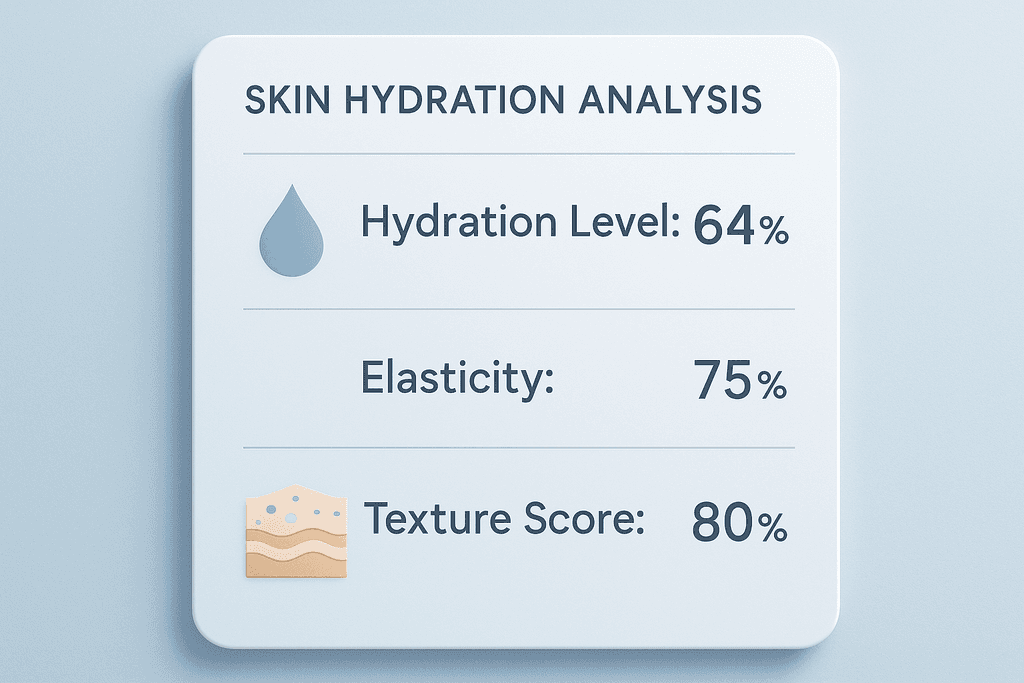
Your skin is about 64% water, which makes it the body's largest water-holding organ. But here's the thing—that water doesn't just sit there doing nothing. It's constantly moving through different layers of your skin, and when that movement gets disrupted, you start seeing dryness, fine lines, and that dull look nobody wants. Understanding how water actually works in your skin helps explain why some people seem to have that natural glow while others struggle with tight, flaky patches no matter how much lotion they use.
background section
How Water Travels Through Your Skin
Water moves from the deepest layer of your skin (the dermis) up to the surface (the epidermis) through tiny channels between cells. Think of it like a relay race where water gets passed along from one cell to the next. When everything's working right, this process keeps your skin plump and smooth.
But there's a catch. The outermost layer of your skin, called the stratum corneum, acts like a protective brick wall. The "bricks" are dead skin cells, and the "mortar" is made of lipids (fats) that hold everything together. This barrier determines whether water stays in your skin or evaporates into the air.
- Water naturally moves from areas of high concentration (inside your body) to low concentration (the dry air around you)
- A healthy skin barrier slows down this water loss to about 300-400 mL per day
- Damaged barriers can lose water up to 75 times faster than normal
- Temperature, humidity, and wind all speed up water evaporation from skin
What Happens When Skin Cells Run Dry
At the cellular level, dehydrated skin cells literally shrink. They lose their rounded, plump shape and become flat and wrinkled—kind of like a grape turning into a raisin. This isn't just about looks. When cells shrink, the spaces between them get bigger, which weakens your skin barrier even more.
Dehydrated cells also can't do their jobs properly. They produce less of the natural oils and proteins your skin needs. Cell turnover slows down, meaning dead cells stick around longer and make your skin look dull. Even worse, dehydrated skin triggers inflammation, which speeds up aging and can make conditions like acne or eczema worse.
- Cell membranes become less flexible and more prone to damage
- Enzyme activity drops, slowing down repair processes
- Collagen and elastin production decreases
- Skin becomes more sensitive to irritants and allergens
Measuring Hydration the Professional Way
Professional skin analysis tools (like the AI-powered system we use at Caleyo Wellness during skincare consultations) can measure specific hydration markers that tell the real story about your skin's water content. These measurements go way beyond just looking at your skin or doing a pinch test.
Here's what gets measured and why it matters for how your skin actually looks:
| Hydration Metric | Optimal Range | Impact on Appearance |
|---|---|---|
| Stratum Corneum Hydration | 40-60 AU | Plumpness and smoothness |
| Transepidermal Water Loss | Below 15 g/m²/h | Barrier integrity and moisture retention |
| Skin Surface pH | 4.5-5.5 | Barrier function and microbial balance |
| Sebum Production | 50-220 μg/cm² | Natural oil protection layer |
| Elasticity Score | Above 70% | Bounce-back and firmness |
These numbers help explain why two people can drink the same amount of water but have completely different skin. Your barrier function matters more than how many glasses of water you're chugging. According to research on hydration's role in skin health, maintaining proper hydration levels requires both internal and external approaches working together.
How Dehydration Shows Up on Your Face
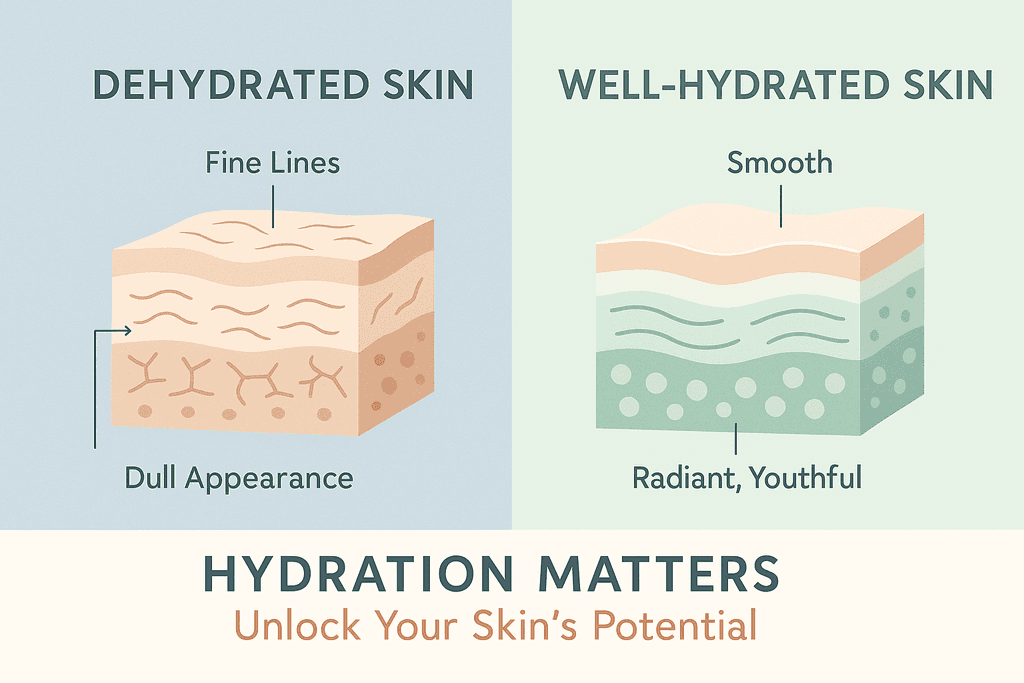
Your skin is about 64% water, which means when you're running low on hydration, your face is usually the first place to show it. Most people think their skin is just getting older when they notice changes, but dehydration might be the real culprit behind those sudden fine lines and that tired-looking complexion. The tricky part is that dehydrated skin looks different from naturally dry skin, and mixing up the two can lead you down the wrong treatment path entirely.
How Dehydration Shows Up on Your Face
Dehydrated skin shows up as a lack of water in your skin cells, while dry skin means you're missing oils. You can have oily skin and still be dehydrated, which confuses a lot of people. When your skin lacks water, it tries to compensate by producing more oil, which can make your pores look bigger and more noticeable.
Common signs your skin is crying out for hydration include:
- Fine lines that seem to appear overnight, especially around your eyes and mouth
- A dull, tired appearance even after a full night's sleep
- Rough, uneven texture that makeup doesn't sit well on
- Skin that feels tight, especially after washing your face
- Dark circles or shadows under your eyes that won't go away
- Increased sensitivity or redness that wasn't there before
The way dehydration affects your skin depends on your skin type too. If you have oily skin, dehydration might make you break out more because your skin overproduces oil to make up for the water loss. For those with combination skin, you might notice your T-zone getting oilier while your cheeks feel tight and flaky at the same time.
Here's something most people don't realize: when your skin cells shrink from lack of water, the spaces between them get bigger, which is why your pores suddenly look more visible. It's not that your pores are actually growing, but the dehydration is making them more obvious.
Internal Hydration Strategies That Actually Work
Drinking eight glasses of water a day sounds simple enough, but the truth is more nuanced than that old rule suggests. Your actual water needs depend on your body weight, activity level, climate, and even what you eat throughout the day. A better approach is to aim for about half your body weight in ounces of water daily, and then adjust based on how your skin responds. The connection between hydration and skin health goes deeper than most people think, affecting everything from how your skin heals to how it ages.
Internal Hydration Strategies That Actually Work
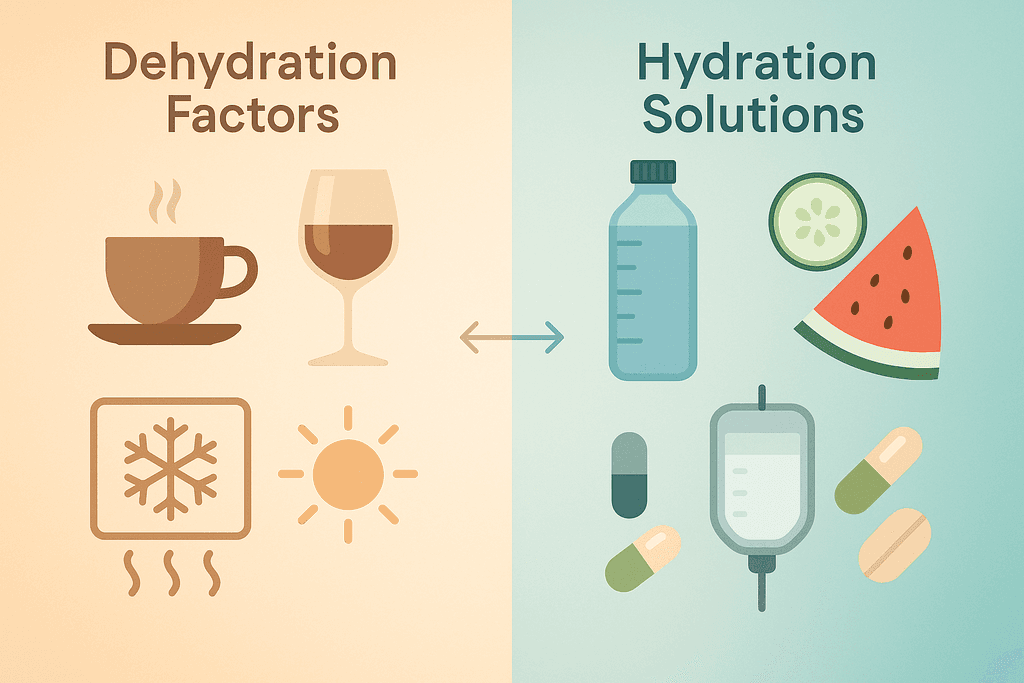
But here's where it gets interesting. Water alone isn't always enough to hydrate your skin at the cellular level. Your cells need electrolytes like sodium, potassium, and magnesium to actually absorb and use that water effectively.
Foods that naturally boost your skin's hydration include:
- Cucumbers and watermelon (over 90% water content)
- Oranges and strawberries (packed with vitamin C and water)
- Celery and lettuce (high water content plus minerals)
- Coconut water (natural electrolytes for better absorption)
- Fatty fish like salmon (omega-3s help your skin retain moisture)
Sometimes your body needs a more direct approach. IV therapy delivers hydration straight to your bloodstream, bypassing your digestive system entirely. At Caleyo Wellness, our customized IV drips are designed to replenish fluids, vitamins, and minerals at the cellular level, which means your skin gets what it needs faster and more efficiently than drinking water alone could provide.
Lifestyle factors can drain your skin's moisture faster than you can replace it. Air conditioning, heating systems, alcohol consumption, caffeine, and even stress all pull water from your skin cells. Flying on planes is particularly brutal because cabin air has almost zero humidity.
Key stat to remember: Your skin can lose up to 25% of its moisture content in low-humidity environments, which is why your face might look fine at home but terrible after a day in an air-conditioned office.
External Hydration and Professional Treatments
While drinking water hydrates from the inside out, topical products work from the outside in, and they do completely different things for your skin. Topical hydration focuses on the outer layers of your skin, creating a barrier that prevents water loss and attracts moisture from the environment. The best part is that external and internal hydration work together, not against each other, which is why you need both for truly plump, healthy skin.
The ingredients that matter most for topical hydration fall into two categories: humectants and occlusives. Humectants like hyaluronic acid draw water into your skin, while occlusives like ceramides and peptides lock that moisture in so it doesn't evaporate.
| Treatment Type | How It Works | Best For |
|---|---|---|
| Skin Boosters | Deep hydration injections | Overall skin quality |
| AQUAGOLD | Micro-channeling delivery | Fine lines, texture |
| Medical Facials | Surface hydration | Immediate glow |
| Microneedling | Collagen induction | Long-term improvement |
Professional treatments take hydration several steps further than what you can do at home. Skin boosters, for example, are injectable treatments that deliver hyaluronic acid directly into the deeper layers of your skin where topical products can't reach. The results are more dramatic and longer-lasting than any serum you'll find at a store.
AQUAGOLD is particularly interesting because it uses micro-channeling to deliver customized solutions directly into your skin at a precise depth. Think of it as creating tiny pathways for hydration to reach exactly where it needs to go. Medical-grade facials at Caleyo Wellness combine professional-strength products with techniques that push hydration deeper into your skin layers, giving you results that last weeks instead of days.
The difference between drugstore products and medical-grade treatments comes down to concentration and delivery. Professional treatments use higher concentrations of active ingredients and advanced delivery methods that actually change how your skin functions at a cellular level.
Building Your Complete Hydration Routine
Creating a hydration routine that actually works means thinking about your skin throughout the entire day, not just when you're washing your face. Your skin loses moisture constantly, especially while you sleep, which is why morning hydration sets the foundation for how your skin looks all day. The goal is to create layers of hydration that work together, from what you drink to what you put on your face to the treatments you get professionally.
Start your morning by drinking water before coffee, since caffeine is dehydrating. Apply your skincare products on damp skin, which helps them absorb better and seal in that extra moisture.
Your daily hydration checklist should include:
- Drink water first thing in the morning (before coffee)
- Apply hydrating serum to damp skin
- Layer moisturizer over serum within 60 seconds
- Eat water-rich foods with each meal
- Reapply hydrating mist or moisturizer midday
- Use a humidifier in dry environments
- Apply heavier moisturizer before bed
- Track your water intake throughout the day
The order you apply products matters more than most people realize. Thinnest to thickest is the rule, which means water-based serums go on first, then creams, then oils. Each layer should be fully absorbed before you add the next one, which takes about 30 seconds.
Knowing when to bring in professional help is important too. If you've been consistent with your home routine for six weeks and still see fine lines, dullness, or rough texture, that's when treatments like skin boosters or medical facials can make a real difference. These aren't luxuries, they're tools that address hydration issues your home routine can't fix on its own.
Your skin's needs change with the seasons and climate too. Winter air is drier, so you might need heavier moisturizers and more frequent professional treatments. Summer humidity means you can use lighter products, but you'll need more water intake to compensate for sweating. The key is paying attention to how your skin feels and looks, then adjusting accordingly rather than sticking to the same routine year-round.
Tracking your progress helps you figure out what's actually working. Take photos in the same lighting every two weeks, note how your skin feels when you wake up, and pay attention to how long your makeup lasts. These small details tell you whether your hydration strategy is working or needs tweaking. Understanding hydration's role in skin health helps you make smarter choices about which products and treatments will give you the results you're looking for.
Why Professional Assessment Makes a Difference
Most people guess when it comes to their skin's hydration needs. They buy products based on marketing claims or what worked for a friend, but skin is deeply personal. What looks like dryness on the surface might actually be dehydration, oil imbalance, or even a damaged moisture barrier. Without knowing exactly what's happening beneath the surface, you're essentially throwing darts in the dark and hoping something sticks.
This is where professional skin analysis changes everything. At Caleyo Wellness, AI-powered diagnostic imaging measures your skin's hydration levels with precision that no mirror or guesswork can match. The technology evaluates moisture content, elasticity, barrier function, and how your skin actually holds water at different depths. You get real data instead of assumptions.
The Problem with Generic Advice
Generic hydration tips fail because they ignore individual differences. Your skin type, climate, lifestyle, age, and even genetics all affect how your skin retains moisture. A standard "drink eight glasses of water" recommendation doesn't account for these variables.
- Cookie-cutter routines miss underlying issues like compromised skin barriers
- Over-the-counter products often contain the wrong concentration of active ingredients
- Without tracking, you can't tell if your routine is actually working
- Seasonal changes require adjustments that generic plans don't address
How Customized Protocols Deliver Results
When you combine technology with expert assessment, the results speak for themselves. A board-certified provider can interpret your scan data and create a treatment plan that targets your specific concerns. This might include professional hydration treatments like skin boosters, medical-grade topicals, or even nutritional adjustments that support skin health from within.
| 78% | Improvement in skin hydration |
| 3-4 weeks | Visible plumpness results |
| 6 months | Sustained moisture retention |
The dual board-certified team at Caleyo Wellness doesn't just look at your skin. They consider your nutrition, lifestyle factors, and overall wellness goals. This holistic approach means addressing hydration from multiple angles, not just slapping on a moisturizer and calling it done. The free discovery call lets you explore what personalized assessment could reveal about your skin's true hydration status.
- Initial AI scan establishes your baseline hydration metrics
- Expert review identifies specific deficiencies and opportunities
- Custom protocol combines treatments, products, and lifestyle modifications
- Follow-up scans track progress and allow for real-time adjustments
Real results come from understanding what your skin actually needs, not what the internet says it should need. When you can measure progress objectively, you stop wasting time and money on things that don't work.
Your Path to Plumper, More Radiant Skin
Getting plumper, healthier skin really comes down to a two-part approach. You need to hydrate from the inside with enough water and the right nutrients, while also supporting your skin from the outside with quality products and treatments. Neither one works as well on its own, but together they create the kind of results that actually last.
The truth is, consistency beats perfection every single time. You don't need to drink a gallon of water every day or follow a ten-step skincare routine. What matters more is sticking with simple habits that work for your lifestyle.
Professional treatments can speed things up quite a bit though. At Caleyo Wellness, our skin boosters deliver deep hydration directly where your skin needs it most, while treatments like microneedling and AQUAGOLD help your skin hold onto moisture better over time. These aren't quick fixes, but they do give you a head start that's hard to match with at-home care alone.
The biggest difference comes from personalized approaches. Your skin is different from everyone else's, which means what works for someone else might not work for you. That's why we use AI-powered skin analysis to see exactly what your skin needs, from hydration levels to texture concerns.
Whether you start with better hydration habits at home or explore professional options, the key is just to start somewhere. Your skin will thank you for it, and the results tend to build on themselves over time.
Common Questions About Skin Hydration
Getting your skin properly hydrated can feel confusing with all the different advice out there. Some people swear by drinking more water while others focus on topical products, and it's hard to know what actually works. The truth is that hydration for skin health involves both internal and external approaches, and the timeline and methods vary from person to person. Here are the most common questions we hear about keeping skin plump and healthy.
How long does it take to see results from better hydration?
Most people notice some improvement in their skin within a week or two of increasing water intake and using better moisturizers. However, significant changes in skin plumpness and texture usually take about 4-6 weeks of consistent hydration habits. Professional treatments like skin boosters or microneedling can show visible results faster, often within days to a couple of weeks.
Can you over-hydrate your skin?
Yes, but it's pretty rare with topical products. Over-hydrating usually happens when you layer too many water-based products without sealing them in with an occlusive moisturizer, which can actually make your skin lose moisture faster. Drinking too much water won't hurt your skin, but it won't necessarily make it more hydrated either once you're drinking enough for your body's needs.
What hydration treatments work best for different skin concerns?
For fine lines and loss of volume, dermal fillers and skin boosters provide deep hydration where your skin needs it most. If you're dealing with dullness and rough texture, chemical peels combined with medical-grade facials work well to remove dead skin and let hydration actually penetrate. At Caleyo Wellness, we use AI-powered skin analysis to figure out exactly what your skin needs, whether that's AQUAGOLD for precision delivery or microneedling to boost your skin's ability to hold moisture.
How do you maintain hydrated plump skin long-term?
Consistency matters more than anything else when it comes to tips for plumper skin. You need a daily routine with a good humectant serum and occlusive moisturizer, plus drinking enough water throughout the day. Professional treatments every few months help maintain deeper hydration levels that topical products can't reach on their own.
When should you see a professional for dehydrated skin?
If your skin stays tight, flaky, or dull even after weeks of using good products and drinking plenty of water, it's time to get professional help. Sometimes dehydrated skin is actually a sign of underlying issues like hormonal imbalances or nutritional deficiencies that need medical attention. A skincare consultation can identify whether you need advanced treatments or a functional medicine approach to address the root cause instead of just treating symptoms.