Secrets to clearer skin through diet and nutrition tweaks
You've tried every cleanser, serum, and spot treatment on the market, but your skin still breaks out like clockwork. The truth is, your complexion isn't just shaped by what you put on your face—it's deeply connected to what you put in your body. Understanding the diet for clear skin can transform your results in ways topical products alone never will.
Table of Contents
- Why Your Skin Reacts to What You Eat
- Foods That Clear Your Skin From Within
- The Sneaky Culprits Making Your Skin Worse
- Building Your Clear Skin Eating Plan
- Your Clear Skin Journey Starts Now
- Common Questions About Diet and Skin
Why Your Skin Reacts to What You Eat
Your skin is basically a mirror of what's happening inside your body. When you eat something your body doesn't like, it doesn't just mess with your stomach or energy levels. It shows up on your face, usually within 24 to 48 hours. The connection between diet for clear skin and what you're actually eating is way more direct than most people realize.
Think of your digestive system as a factory. When everything runs smoothly, your skin looks great. But when things go wrong in that factory, your face is often the first place you'll see the warning signs.
How Inflammation Travels From Your Plate to Your Pores
Inflammation is your body's alarm system. When you eat foods that spike your blood sugar or trigger immune responses, your body releases chemicals called cytokines. These chemicals travel through your bloodstream and can make your skin produce more oil, get red, or break out in acne.
Here's what happens step by step:
- You eat something inflammatory like processed sugar or fried foods
- Your immune system sees it as a threat and releases inflammatory markers
- These markers increase oil production in your skin glands
- More oil means clogged pores and breakouts
- The inflammation also breaks down collagen, making skin look older faster
Your Gut Microbiome Runs the Show
Your gut contains trillions of bacteria that help digest food and control inflammation. When these bacteria are balanced, your skin stays clear. When they're out of whack, your skin pays the price. Scientists call this the gut-skin axis, and it's a big deal for anyone trying to figure out nutrition tips for healthy complexion.
Bad bacteria in your gut can leak toxins into your bloodstream. Your skin tries to get rid of these toxins, which leads to breakouts, redness, and other issues.
- Good gut bacteria help reduce inflammation throughout your body
- They produce vitamins like biotin that keep skin healthy
- A balanced microbiome strengthens your skin's protective barrier
- Poor gut health can trigger conditions like acne, eczema, and rosacea
At Caleyo Wellness, our nutrition counseling takes this gut-skin connection seriously, helping you build a diet that supports both.
Blood Sugar Spikes and Hormonal Chaos
When you eat foods high in sugar or refined carbs, your blood sugar shoots up fast. Your body releases insulin to bring it back down. But insulin doesn't work alone—it triggers other hormones called androgens that tell your skin to make more oil.
This creates a perfect storm for breakouts:
- Blood sugar spikes after eating high-glycemic foods
- Insulin levels jump to compensate
- Androgens increase, ramping up oil production
- Excess oil clogs pores and feeds acne-causing bacteria
Different foods trigger different hormonal responses. Dairy, for example, contains hormones that can mess with your own hormone balance. Research shows that what you eat directly impacts your skin's appearance through these hormonal pathways.
Common Skin Problems and Their Food Triggers
Not all skin issues come from the same foods. Here's a quick breakdown of what might be causing your specific problems:
| Skin Issue | Common Dietary Triggers | Why It Happens |
|---|---|---|
| Acne | Sugar, dairy, fried foods | Increases oil production and inflammation |
| Redness/Rosacea | Spicy foods, alcohol, hot drinks | Dilates blood vessels and triggers inflammation |
| Dryness | Low-fat diets, not enough water | Skin needs healthy fats to maintain moisture barrier |
| Premature Aging | Processed foods, excess sugar | Damages collagen through glycation process |
| Dark Circles | High sodium, alcohol, caffeine | Causes dehydration and poor circulation |
Understanding these connections is the first step. The next step is knowing exactly what to eat instead, which we'll cover in the sections ahead.
Foods That Clear Your Skin From Within
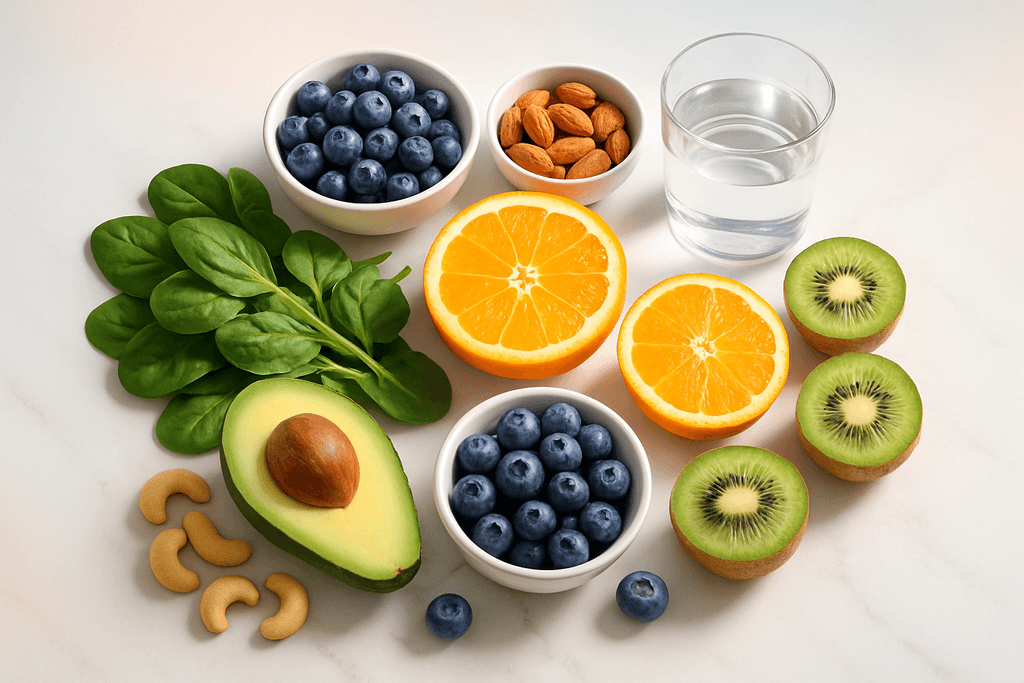
Your skin is basically a mirror of what's happening inside your body. When you eat foods that reduce inflammation and support cell repair, your skin responds by looking clearer and more balanced. The connection between diet for clear skin and actual results isn't just about avoiding junk food—it's about actively feeding your skin the nutrients it needs to heal and protect itself. Think of it like this: every meal is either helping your skin or making it work harder to stay clear.

Foods That Clear Your Skin From Within
Omega-3 fatty acids are probably the most underrated skin-clearing nutrient out there. These healthy fats, found in salmon, sardines, walnuts, and flaxseeds, actually calm down the inflammatory response that leads to redness and breakouts. They also help regulate oil production, which means less clogged pores.
- Wild-caught fatty fish (salmon, mackerel, sardines) - 2-3 times per week
- Chia seeds and ground flaxseed - 1-2 tablespoons daily
- Walnuts - a small handful as a snack
- Leafy greens (spinach, kale) - at least one serving daily
Antioxidants work like tiny bodyguards for your skin cells. Berries, dark chocolate (yes, really), green tea, and colorful vegetables fight off free radical damage that ages your skin and triggers inflammation. Research shows that antioxidant-rich foods can actually slow down visible signs of aging and improve skin texture over time.
Your gut health matters more than you'd think when it comes to clear skin. Probiotic foods like yogurt, kefir, sauerkraut, and kimchi help balance the bacteria in your digestive system, which directly affects inflammation levels throughout your body, including your skin. When your gut is happy, your skin usually follows.
Zinc and vitamin A are the dynamic duo for skin repair and cell turnover. Zinc helps wounds heal faster and can reduce acne-causing bacteria, while vitamin A speeds up cell regeneration. You'll find zinc in pumpkin seeds, chickpeas, and oysters. For vitamin A, look to sweet potatoes, carrots, and liver (if you're into that).
Water doesn't just hydrate your skin from the outside. Drinking enough throughout the day helps flush out toxins and keeps your skin cells plump and functioning properly. Aim for at least 8 glasses daily, and add water-rich foods like cucumber, watermelon, and celery to your meals.
Daily Clear Skin Nutrition Checklist
- ☐ 2 servings of colorful vegetables (bell peppers, tomatoes, leafy greens)
- ☐ 1 serving of omega-3 rich food (fatty fish, walnuts, or flaxseed)
- ☐ 1 probiotic food (yogurt, kefir, or fermented vegetables)
- ☐ 1-2 servings of berries or antioxidant-rich fruit
- ☐ Zinc-rich snack (pumpkin seeds or chickpeas)
- ☐ 8+ glasses of water throughout the day
The Sneaky Culprits Making Your Skin Worse
Some foods seem innocent but are secretly sabotaging your skin goals. High-glycemic foods like white bread, pastries, and sugary cereals cause your blood sugar to spike, which triggers an insulin response that ramps up oil production and inflammation. This creates the perfect environment for breakouts to thrive. The worst part is that these foods are everywhere, disguised as convenient breakfast options or quick snacks.

The Sneaky Culprits Making Your Skin Worse
Dairy is a controversial topic in the skin world, but there's a reason so many people see improvements when they cut it out. Milk and cheese contain hormones that can mess with your own hormone balance, leading to increased sebum production and clogged pores. Not everyone reacts to dairy, but if you've been struggling with hormonal acne around your chin and jawline, it's worth testing.
| Problematic Foods | Skin-Friendly Alternatives |
|---|---|
| White bread, pasta, rice | Quinoa, brown rice, whole grain sourdough |
| Cow's milk dairy | Almond milk, oat milk, coconut yogurt |
| Vegetable oils, margarine | Olive oil, avocado oil, grass-fed butter |
| Sugary granola bars | Raw nuts, fresh fruit with nut butter |
| Soda and sweetened drinks | Green tea, sparkling water with lemon |
Processed foods and inflammatory oils are loaded with omega-6 fatty acids that promote inflammation when consumed in excess. Canola oil, soybean oil, and corn oil show up in almost every packaged food, from salad dressings to crackers. These oils throw off your omega-3 to omega-6 ratio, which keeps your skin in a constant state of low-grade inflammation.
Hidden sugars are the real troublemakers. Foods marketed as healthy—like flavored yogurt, protein bars, and bottled smoothies—often contain as much sugar as candy. Studies on nutritional dermatology show that excess sugar consumption accelerates skin aging and worsens acne through a process called glycation.
Alcohol dehydrates your skin from the inside out and disrupts your sleep quality, which is when your skin does most of its repair work. It also causes inflammation and dilates blood vessels, leading to redness and puffiness. Even moderate drinking can show up on your face the next day.
Building Your Clear Skin Eating Plan
The key to making any diet work long-term is sustainability, not perfection. The 80/20 approach means eating skin-supporting foods 80% of the time and allowing yourself flexibility for the other 20%. This prevents the restrict-binge cycle that actually makes skin worse due to stress and inconsistency. When you're too rigid, your body responds with cortisol spikes that trigger breakouts just as much as eating junk food would.
Meal timing matters more than most people realize. Eating your largest meals earlier in the day and finishing dinner at least three hours before bed gives your body time to focus on repair instead of digestion while you sleep. Late-night eating, especially of high-glycemic foods, keeps insulin elevated when it should be dropping, which interferes with skin cell regeneration.
Timeline for Visible Results:
Most people notice initial improvements in skin texture and reduced inflammation within 2-4 weeks of dietary changes. Significant clearing of existing breakouts typically takes 6-8 weeks, while complete skin transformation can take 3-6 months as your skin completes multiple cell turnover cycles.
Identifying your personal trigger foods requires some detective work. Keep a simple food and skin journal for two weeks, noting what you eat and how your skin looks each day. Common patterns emerge quickly—maybe dairy causes cystic acne within 48 hours, or sugar leads to small bumps on your forehead. Everyone's triggers are slightly different.
Supplementation fills the gaps when diet alone isn't enough. Even with perfect eating, factors like stress, poor sleep, and environmental toxins can deplete your nutrient stores. Quality supplements like omega-3s, zinc, and probiotics can provide the extra support your skin needs to stay clear.
Working with nutrition experts makes the biggest difference when you're serious about results. At Caleyo Wellness, our expert nutritional counseling combines dietary planning with functional medicine to address the root causes of skin issues. Our registered dietitian-led approach creates personalized protocols that consider your unique metabolism, lifestyle, and skin goals—because generic advice rarely works for complex skin concerns.
The truth is that clear skin comes from the inside out, and nutrition tips for healthy complexion only work when they're tailored to your body's specific needs. Cookie-cutter meal plans miss the mark because they don't account for food sensitivities, hormonal imbalances, or nutrient deficiencies that vary from person to person. That's where professional guidance becomes worth it.
Your Clear Skin Journey Starts Now
Getting clear skin through diet doesn't require a complete life overhaul or some perfect meal plan. The truth is that small, consistent changes to what you eat can create visible results over time. Your skin responds to what you feed it, and the connection between your gut health and your complexion is stronger than most people realize. You don't need to be perfect with every meal, but you do need to stick with the basics we covered.
Here's what actually matters when it comes to a diet for clear skin:
- Focus on whole foods and cut back on processed sugar
- Stay hydrated and support your gut with probiotics
- Get enough omega-3s and antioxidants
- Be patient because skin changes take weeks, not days
The hard part isn't knowing what to do. It's figuring out which changes will work best for your specific body and skin type. That's where professional guidance makes a real difference.
At Caleyo Wellness, our expert nutritional counseling with registered dietitian Emmanuel Pelayo helps you build a personalized plan that fits your lifestyle and addresses your unique skin concerns. Sometimes the missing piece isn't just about food, but about understanding how your metabolism, hormones, and overall wellness connect to your skin health.
If you've tried everything and still aren't seeing results, there might be something deeper going on that needs attention.
Common Questions About Diet and Skin
Changing what you eat can feel overwhelming when you're trying to fix your skin. Most people have the same worries about whether their efforts will actually work, how long it takes, and what they really need to cut out. These are the questions we hear most often from people working on their diet for clear skin.
How long until diet changes show results on skin?
Your skin cells turn over about every 28 days, so you'll typically see initial changes within 4 to 6 weeks of cleaning up your diet. Some people notice less inflammation and fewer breakouts within just two weeks, while deeper improvements like reduced scarring or better texture can take 2 to 3 months. The timeline depends on how damaged your skin is to start with and how consistent you are with your new eating habits.
Can supplements replace a healthy diet for skin?
No, supplements work best as backup support, not replacements. Whole foods contain thousands of compounds that work together in ways a pill can't replicate. That said, targeted supplements like omega-3s, zinc, or vitamin D can fill specific gaps when your diet falls short. At Caleyo Wellness, our nutrition counseling helps identify which supplements actually make sense for your unique needs rather than wasting money on things you don't need.
Do I need to cut out dairy completely?
Not everyone needs to ditch dairy, but it's worth testing if you have stubborn acne. Dairy can trigger breakouts in some people because of the hormones and inflammatory proteins it contains. Try removing it completely for 4 weeks and watch what happens to your skin. If you see improvement, you might be able to add back small amounts of high-quality dairy like Greek yogurt without problems.
What's the best diet for acne prone skin?
A low-glycemic diet rich in whole foods works best for most acne-prone skin. Focus on vegetables, lean proteins, healthy fats, and complex carbs while limiting sugar and processed foods. This approach keeps your blood sugar stable, which helps control the oil production and inflammation that lead to breakouts. Adding anti-inflammatory foods like fatty fish, berries, and leafy greens gives you extra protection.
How much water should I drink for clear skin?
Aim for half your body weight in ounces each day as a starting point. Someone who weighs 150 pounds should drink about 75 ounces of water daily. Your skin is your largest organ and needs proper hydration to flush toxins and maintain its protective barrier. If plain water bores you, herbal teas and water-rich foods like cucumber and watermelon count toward your total.
Can nutrition help with aging skin?
Absolutely, and the effects go deeper than any cream can reach. Nutrition tips for healthy complexion include eating antioxidant-rich foods that protect against free radical damage and collagen-building nutrients like vitamin C and amino acids. Combined with treatments like our microneedling or skin boosters at Caleyo Wellness, a solid nutrition plan addresses aging from both inside and out for results that actually last.