Smart Questions to Ask Before Starting an Aesthetic Treatment
```html
Studies show that nearly 70% of aesthetic treatment complications could have been prevented with better patient-provider communication before the procedure. The questions you ask before starting aesthetic treatments directly impact both your safety and your results. At Caleyo Wellness, we believe informed patients are empowered patients, which is why we offer a free discovery call to discuss your goals and address every concern before you commit to any treatment.
```
Table of Contents
- The Current State of Aesthetic Treatments
- Questions About Your Provider's Credentials
- Questions About the Treatment Itself
- Questions About Safety and Recovery
- Questions About Cost and Value
- Your Questions Lead to Better Results
- Common Questions About Aesthetic Treatment Consultations
The Current State of Aesthetic Treatments
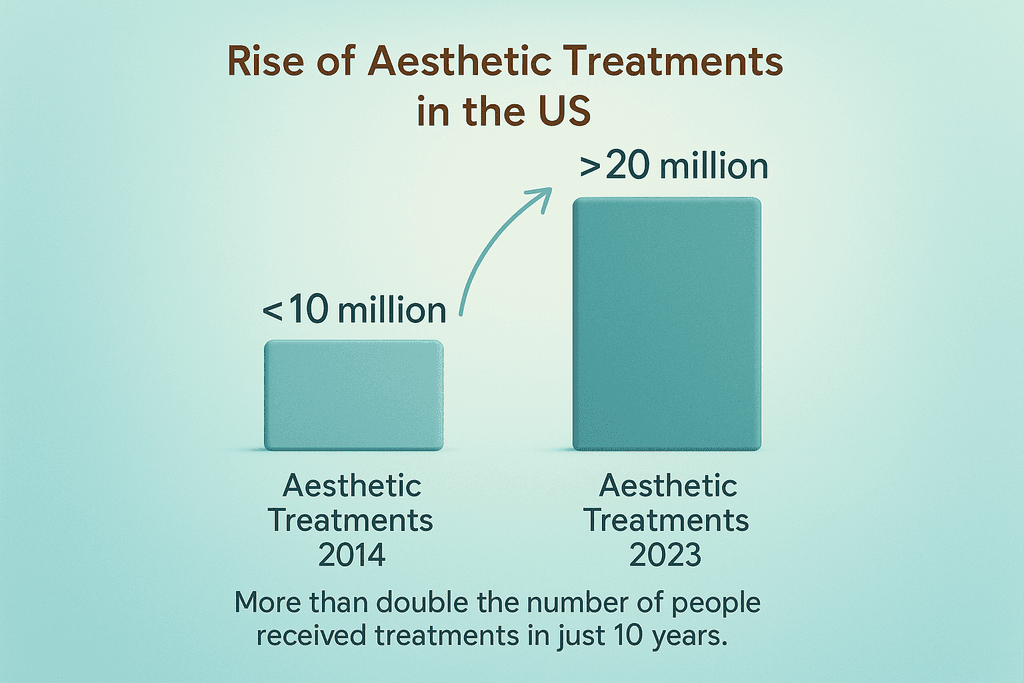
More than 20 million people got aesthetic treatments in the United States last year alone. That's a huge jump from just ten years ago when the number was less than half that. The aesthetic treatment industry has grown faster than almost anyone expected, and it's not slowing down anytime soon. What used to be something only celebrities talked about has become as normal as going to the dentist for regular checkups.
Why Aesthetic Treatments Became So Popular
The boom in aesthetic procedures happened for a few clear reasons. Social media changed how people see themselves and made looking good feel more important than ever. Video calls during remote work made everyone stare at their own face for hours each day. Plus, treatments got safer, faster, and way less scary than the old-school plastic surgery options.
Here's what's driving people to aesthetic clinics:
- Treatments now take 15-30 minutes instead of requiring surgery and weeks of recovery
- Results look natural instead of obvious or fake
- Prices dropped as more providers entered the market
- Social acceptance made it okay to talk about getting work done
Most Common Treatments and Their Safety Records
Not all aesthetic treatments are created equal. Some have been around for decades with solid safety data, while others are newer and still building their track record. Knowing which treatments have the best safety profiles helps you make smarter choices about what to try first.
| Treatment Type | Primary Purpose | Safety Profile | Typical Results Timeline |
|---|---|---|---|
| Neurotoxins (Botox) | Reduce wrinkles and fine lines | Very high - FDA approved since 2002 | 3-7 days |
| Dermal Fillers | Add volume and contour face | High when done by qualified providers | Immediate |
| Chemical Peels | Improve skin texture and tone | High with proper skin assessment | 1-2 weeks |
| Microneedling | Boost collagen and reduce scars | Very high with sterile technique | 4-6 weeks |
| Skin Boosters | Deep hydration and glow | High - minimal side effects | 2-4 weeks |
The Provider Qualification Problem
Here's where things get tricky. The explosion of medical spas and aesthetic clinics means provider qualifications vary wildly from place to place. Some states let almost anyone with minimal training inject fillers, while others require extensive medical credentials. At Caleyo Wellness, our dual board-certified providers Emmanuel Pelayo, NP-C, RDN, and Jaime Calderon, PA-C bring both medical expertise and aesthetic artistry to every treatment.
What you need to know about provider qualifications:
- Medical spas can be owned by non-medical people who hire providers
- Training requirements differ hugely between states and even cities
- Board certification in relevant specialties matters more than just having a medical license
- Experience with your specific treatment and skin type is critical
The rise of medical spas brought aesthetic treatments to more people, which is great. But it also created a confusing landscape where figuring out who's actually qualified takes real work. According to industry experts tracking aesthetic practice standards, patient education has become more important than ever because the options are so overwhelming.
Questions before aesthetic treatments should always start with understanding who's doing the procedure and what their background includes. The cheapest option rarely turns out to be the best value when you're talking about your face and body.
Questions About Your Provider's Credentials
Most people spend more time researching a new phone than they do checking out who's about to inject something into their face. That's a problem. The person holding the syringe matters just as much as what's in it. Before you book any aesthetic treatment, you need to know exactly who's performing it and whether they have the right training to do it safely.

Questions About Your Provider's Credentials
Start by asking about licenses and certifications. Medical professionals who perform aesthetic treatments should be licensed healthcare providers—think nurse practitioners, physician assistants, or doctors. At Caleyo Wellness, both Emmanuel Pelayo, NP-C, RDN, and Jaime Calderon, PA-C, are dual board-certified, which means they've completed rigorous training in multiple specialties. That kind of background matters when you're dealing with facial anatomy and medical-grade products.
Here's what to verify about your provider:
- Active medical license in your state
- Board certifications in relevant specialties
- Specific training in the exact treatment you're getting
- Years of experience performing that particular procedure
- Any disciplinary actions or complaints (check your state's medical board website)
Don't be shy about asking how many times they've performed your specific treatment. Someone who's done thousands of filler syringes will have a completely different skill level than someone who just finished a weekend training course. According to the Los Angeles Times, experience with your specific concern—whether that's under-eye hollows or jawline contouring—makes a huge difference in results.
Also ask about the difference between medical professionals and aestheticians. While aestheticians can perform certain treatments like facials and some chemical peels, only licensed medical professionals should be performing injectables like neurotoxins, dermal fillers, or skin boosters. If someone without medical credentials is offering these services, walk away.
Questions About the Treatment Itself
Once you know your provider is qualified, it's time to dig into the actual treatment. Not all products are created equal, and not all approaches work the same for everyone. You need to understand exactly what's going into your skin and why your provider chose it for you specifically.

Questions About the Treatment Itself
Ask which specific products or brands they'll be using. For injectables, this means knowing whether you're getting Botox, Dysport, or another neurotoxin, or which filler brand they recommend. Authentic, FDA-approved products should always be used, and your provider should be able to show you the packaging before treatment.
Essential questions about your treatment:
- What specific product or technique will be used and why is it right for my concern?
- How is this treatment customized to my facial structure and goals?
- What results can I realistically expect and when will I see them?
- How many sessions will I need for optimal results?
- What's the difference between this treatment and alternatives?
Understanding how your treatment gets customized matters more than most people realize. At Caleyo Wellness, providers use an AI-powered Skin Analysis System that evaluates hydration, elasticity, pigmentation, and other metrics to create truly personalized treatment plans. This kind of technology-driven approach means you're not getting a cookie-cutter treatment based on guesswork.
Also clarify the difference between treatment types. Neurotoxins like Botox relax muscles to smooth wrinkles. Dermal fillers add volume and structure. Skin boosters provide deep hydration. Each serves a different purpose, and sometimes combining them gives better results than using just one. Your provider should explain their recommendation in terms you actually understand, not just throw medical jargon at you.
Questions About Safety and Recovery
Every medical procedure comes with some level of risk, even minimally invasive aesthetic treatments. The key is knowing what those risks are, how likely they are to happen, and what your provider will do if something goes wrong. Don't let anyone brush off your safety concerns or make you feel like you're being overly cautious.
Start by asking about potential side effects and complications. Common side effects like bruising, swelling, or redness are usually temporary and manageable. But you should also know about rarer complications specific to your treatment and how your provider would handle them.
Safety questions you need answered:
- What are the most common side effects I should expect?
- What are the rare but serious complications I should know about?
- How do you handle complications if they occur?
- What should I do to prepare before my appointment?
- What activities or products do I need to avoid after treatment?
- When will I see results and how long will they last?
- What symptoms would mean I need to contact you immediately?
Your medical history matters too. Be honest about any health conditions, medications, supplements, or allergies you have. Some conditions or medications can increase your risk of complications or affect how well the treatment works. Venus Treatments notes that providers should always review your full medical history before proceeding with any aesthetic procedure.
Ask about emergency protocols. Who do you call if you have a problem after hours? What's the plan if you have an allergic reaction or unexpected complication? A good provider will have clear answers and make you feel confident they can handle any situation that might come up.
Questions About Cost and Value
Price matters, but it shouldn't be your only consideration when choosing aesthetic treatments. The cheapest option often comes with hidden costs—whether that's inferior products, inexperienced providers, or results that don't last. Understanding the full financial picture helps you make a smart decision that balances cost with quality and safety.
Ask for a complete cost breakdown that includes everything. Some clinics quote you one price but then add fees for consultation, numbing cream, or follow-up appointments. You want to know the total investment upfront, not get surprised by extra charges later.
Financial questions to ask:
- What's the total cost including all fees and follow-up appointments?
- Do you offer payment plans or financing options?
- What's included in the price and what costs extra?
- How much do touch-ups cost if I need them?
- What's your policy on revisions if I'm not happy with results?
Payment plans can make advanced treatments more accessible. Caleyo Wellness offers payment options because they understand that investing in yourself shouldn't mean draining your savings account all at once. Ask about these options during your consultation.
Think about value beyond just the price tag. Advanced technology like 3D body scanning or AI skin analysis costs more to implement, but it means your treatment is based on precise data rather than eyeballing it. Dual board-certified providers charge more than someone with minimal training, but their expertise significantly reduces your risk of complications. Sometimes paying more upfront saves you money and stress in the long run.
Before committing to any treatment, consider booking a discovery call. Many clinics, including Caleyo Wellness, offer free 15-minute consultations where you can ask all these questions, discuss your goals, and get a clear picture of what to expect. That conversation can help you feel confident about moving forward—or realize a particular provider isn't the right fit for you.
Your Questions Lead to Better Results
The questions you ask before starting aesthetic treatments matter more than you might think. They help you understand what you're getting into, set realistic expectations, and find a provider who actually listens. When you know what to ask about safe aesthetic procedure tips and how to prepare for injectables, you're not just being cautious—you're being smart about your face and body.
Here's something most people don't realize. Good providers actually want you to ask questions. If someone rushes you through a consultation or makes you feel silly for asking about credentials or side effects, that's a red flag worth paying attention to.
At Caleyo Wellness, we offer a free 15-minute discovery call where you can ask anything without pressure. It's a chance to talk through your goals, understand your options, and see if we're the right fit. No commitment, just honest answers about questions before aesthetic treatments.
Trust your gut when choosing where to get work done. If something feels off during your consultation, it probably is. The right provider will take time to answer your questions, show you their credentials, and explain exactly what will happen during your treatment.
Ready to get your questions answered? Schedule your free discovery call and let's talk about what you're hoping to achieve.
Common Questions About Aesthetic Treatment Consultations
Getting ready for your first aesthetic consultation can bring up a lot of questions. Most people wonder what to expect, how long things will take, and whether they're asking the right things. Here are the answers to the most common questions we hear from people preparing for their first visit.
How long should a consultation take?
A good consultation usually takes between 30 to 60 minutes. This gives your provider enough time to understand your goals, examine your skin or treatment area, explain your options, and answer all your questions before aesthetic treatments. If someone rushes you through in 10 minutes, that's a red flag. At Caleyo Wellness, we offer a free 15-minute discovery call to start the conversation, followed by a full consultation where we use AI-powered skin analysis to really understand what you need.
Is it normal to feel nervous about asking questions?
Absolutely, and you shouldn't feel embarrassed about it. Most people feel a little anxious when asking questions about procedures they don't fully understand yet. A good provider will make you feel comfortable and never judge you for asking anything, no matter how basic it seems. Write your questions down before you go so you don't forget them when you're in the moment.
What should I bring to my consultation?
Bring a list of any medications or supplements you're taking, photos of results you like (or don't like), and your questions written down. If you've had previous treatments elsewhere, mention those too. It also helps to come with a clean face so your provider can see your skin clearly without makeup.
Can I get treatment the same day as my consultation?
Sometimes yes, but it's not always the best idea. Some clinics will treat you right away, but taking time to think about your decision is usually smarter. You want to make sure you understand the safe aesthetic procedure tips your provider gives you and feel completely comfortable. If you do decide to move forward same-day, make sure all your questions have been answered first.
How do I know if a provider is right for me?
Trust your gut, but also look at their credentials and experience. Board-certified providers with specific training in aesthetics are your safest bet. Pay attention to how they listen to you and whether they're trying to sell you everything or actually tailoring recommendations to your goals. Check before-and-after photos of real patients and read reviews from people who've had similar treatments.
What if I don't understand the answers I'm given?
Ask them to explain it differently or use simpler terms. Medical jargon can be confusing, and there's nothing wrong with saying "I don't understand, can you explain that another way?" If a provider gets frustrated or dismissive when you ask for clarification, that tells you something important about how they'll treat you as a patient. The right provider will take the time to make sure you fully understand how to prepare for injectables or any other treatment before moving forward.