Techniques for safe and effective facial contouring at any age

```html
As you age, your face can lose volume, elasticity, and definition, but safe facial contouring techniques can help restore these without surgery or downtime. What works at 35 may not suit you at 55, and choosing the wrong facial sculpting options for your age can lead to unsatisfactory or even risky results. Understanding how your face evolves and which treatments suit each aging stage is key to achieving natural, lasting contours that enhance your features.
Table of Contents
- How Your Face Changes Over Time
- Injectable Contouring Options That Actually Work
- Regenerative Treatments for Long-Term Results
- Surface Treatments That Enhance Contour
- Building Your Age Appropriate Contouring Plan
- What Makes Facial Contouring Safe at Any Age
- Your Next Steps Toward Safe Facial Contouring
- Common Questions About Facial Contouring
How Your Face Changes Over Time
Your appearance changes significantly from age 25 to 55. It's not just about wrinkles. Over time, facial bones shrink, leading to changes in your appearance. Fat pads that once sat high on your cheeks may shift downwards, creating hollow areas. Proteins like collagen and elastin, which keep your skin firm, break down over the years. That is why safe facial contouring techniques need to align with what's happening beneath your skin.
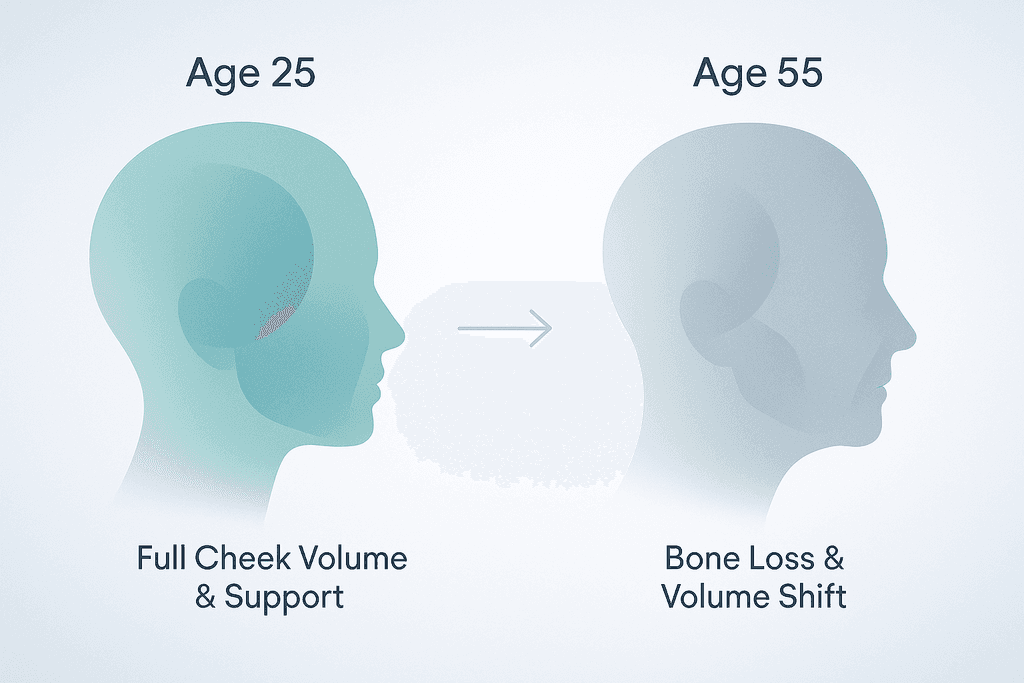
Picture your face like a house. When you're young, the foundation is strong. But as time passes, this foundation weakens, and different repair strategies are needed. That's why facial sculpting options that work well for someone in their 30s might not suit someone in their 60s.
What Happens Beneath the Surface
Facial changes follow a predictable pattern. Research on targeted treatments shows that understanding these shifts helps providers choose the right approach.
Here's what occurs:
- Facial bones lose density and volume, especially around the eyes, cheeks, and jawline
- Fat compartments in your face form distinct pockets that move independently
- Collagen production decreases by about 1% each year after age 20
- Elastin fibers lose stretch, acting less like rubber bands
- Skin thins and reveals structural changes underneath
Decade by Decade Facial Changes
Changes vary with age, making personalized treatment plans crucial. At Caleyo Wellness, we use advanced skin analysis to determine what's happening with your face, rather than guessing based on age.
| Age Range | Main Changes | What You'll Notice | Best Contouring Focus |
|---|---|---|---|
| 20s-30s | Early collagen loss, expression lines forming | Fine lines around eyes and forehead, slight volume loss | Prevention and maintenance |
| 40s | Fat pad descent begins, moderate bone loss | Nasolabial folds deepen, cheeks flatten, jowls start | Volume restoration and lifting |
| 50s | Significant bone resorption, major fat redistribution | Hollow temples, sagging jawline, neck changes | Structural support and regeneration |
| 60s+ | Advanced tissue changes, skin thinning | Deep folds, significant volume loss, texture changes | Comprehensive rejuvenation approach |
Why This Matters for Treatment Choices
Knowing what causes facial changes helps you choose effective treatments. A 35-year-old with early volume loss needs a different plan than a 55-year-old with bone loss and shifted fat pads. Using the wrong technique can look unnatural.
Match the treatment to the problem:
- Neurotoxins like Botox handle expression lines but don't fix volume loss
- Dermal fillers replace lost volume but need careful placement based on bone structure
- Collagen-stimulating treatments like our exclusive AutoCorre® protocol help your skin rebuild naturally
Knowing these changes is vital. It's the difference between looking refreshed or looking like you had "work done." An understanding of what's happening under your skin leads to smarter choices about which facial sculpting options will enhance your appearance.
Injectable Contouring Options That Actually Work
Your face loses about 1% of its collagen every year after age 30, which means natural contours begin to fade. Injectable treatments work because they align with your facial anatomy. The key is knowing which injectable suits your needs now.
Injectable Contouring Options That Actually Work
Dermal fillers restore volume by acting as scaffolding beneath your skin. Made from substances like hyaluronic acid, they blend naturally with tissue. Fillers aren't just for lips; they define cheekbones, jawlines, and even reshape noses without surgery.
Different fillers suit different depths:
- Deep fillers restore bone-level volume in cheeks and chin
- Mid-level fillers smooth hollows and define contours
- Surface fillers address fine lines and subtle volume loss
- Specialized fillers focus on areas like under-eyes or lips
Neurotoxins like Botox relax muscles that create dynamic lines from smiling, frowning, or squinting. This prevents new wrinkles and softens existing ones. Strategic neurotoxin placement can contour your face by relaxing muscles that pull features downward.
Skin boosters, the newest in contouring, focus on quality over quantity. These micro-injections hydrate skin, improving texture and glow, enhancing contours. At Caleyo Wellness, we tailor injectable treatments to your age, skin, and goals.
| Treatment Type | How It Works | Best Age Range | Results Duration |
|---|---|---|---|
| Dermal Fillers | Restores volume and structure | 30s and up | 6-18 months |
| Neurotoxins | Relaxes muscles, prevents lines | Late 20s and up | 3-4 months |
| Skin Boosters | Hydrates and improves quality | All ages | 6-9 months |
Safety varies with skin type and age. Younger skin needs less product, while mature skin can handle more contouring. The biggest mistake is using too much too soon. Start with a consultation before any injection.
Regenerative Treatments for Long-Term Results
Fillers offer instant results, but regenerative treatments play the long game by activating your body's repair systems. They stimulate your skin to produce more collagen and elastin, leading to longer-lasting improvements. Think of fillers as temporary volume and regenerative treatments as rebuilding.

Regenerative Treatments for Long-Term Results
Collagen-stimulating treatments create micro-injuries that trigger your body's healing response. Your skin doesn't differentiate between intentional treatment and damage, so it repairs itself by producing fresh collagen. This new collagen fills texture issues, tightens skin, and adds subtle volume to enhance contours.
Key differences between fillers and regenerative treatments:
- Fillers add immediate volume; regenerative treatments build it gradually
- Fillers dissolve over time; collagen you generate stays longer
- Fillers target specific areas; regenerative treatments improve overall quality
- Regenerative results improve for months after treatment
The AutoCorre protocol, developed by Dr. William Song, is a minimally invasive treatment that boosts collagen and elastin production for faster results. Caleyo Wellness is a certified provider, ensuring quality care.
Microneedling uses fine needles to create tiny channels in your skin, stimulating collagen remodeling. Research on facial volume correction shows this method is effective for acne scars, large pores, and areas with lost firmness.
Regenerative approaches are more effective as you age because older skin benefits more from collagen stimulation. Your 20s might not need this level of intervention, but by your 40s and beyond, these treatments are more valuable. Combining regenerative methods with fillers can yield the best results.
Surface Treatments That Enhance Contour
Your skin's surface affects how others perceive your facial structure. Dull, textured skin can hide bone structure, while smooth, clear skin highlights natural angles. Surface treatments don't alter structure but enhance your existing contours.
Chemical peels remove damaged outer layers to reveal fresher skin. Different strengths target various concerns—light peels brighten, medium peels address pigmentation, and deep peels handle significant sun damage and wrinkles. Clear skin enhances cheekbones and jawlines.
Benefits of surface treatments for contouring:
- Improved skin clarity highlights bone structure
- Smoother texture reflects light evenly
- Reduced pigmentation prevents shadowing
- Tighter pores create a smoother appearance
AQUAGOLD uses micro-needles to deliver customized solutions directly into your skin. This precision system includes neurotoxins, vitamins, hyaluronic acid, or other needed ingredients. It treats your entire face, creating an overall glow that enhances your features.
Medical-grade facials at Caleyo Wellness use clinical-strength products and techniques. These treatments help maintain results from injectables and regenerative procedures. Comprehensive approaches to facial aesthetics show that consistent maintenance is more effective than occasional intensive treatments.
| Treatment | Main Benefits | Considerations |
|---|---|---|
| Chemical Peels | Texture improvement, pigment correction, clarity | Requires downtime, sun sensitivity after treatment |
| AQUAGOLD | Customized delivery, overall glow, minimal downtime | Results are subtle, needs regular sessions |
| Medical Facials | Maintenance, immediate freshness, no downtime | Not a substitute for deeper treatments |
Age-appropriate peel strengths matter because younger skin doesn't need aggressive resurfacing, while older skin might require stronger formulations. Your provider should adjust both the type of peel and frequency based on your skin's condition and response.
Building Your Age Appropriate Contouring Plan
Achieving great results depends on having a plan rather than choosing random treatments. Your face, aging pattern, and goals are unique, so your treatment plan should be too. Starting with a consultation saves you time and money.
At Caleyo Wellness, consultations include skin analysis that measures hydration, elasticity, pigmentation, texture, and other unseen factors. This data reveals what your skin needs. The 15-minute discovery call is free, eliminating pressure to commit.
Steps to create your personalized contouring plan:
- Book a consultation to discuss your concerns and goals
- Get comprehensive skin analysis using diagnostic tools
- Review treatment options that match your age and lifestyle
- Prioritize treatments based on impact and budget
- Schedule your first session and plan follow-ups
Combining treatments strategically leads to better results. Start with neurotoxins to relax muscles, add fillers for structure, and finish with surface treatments. Proper spacing ensures each treatment settles before adding the next layer.
Timelines vary based on goals. Some see desired results after one session, while others need several treatments over months. Maintenance schedules differ too—neurotoxins need refreshing every few months, fillers last longer, and regenerative treatments build results that last a year or more.
Budget considerations and payment options:
- Start with impactful treatments for main concerns
- Add maintenance treatments as budget allows
- Payment plans make advanced treatments accessible
- Investing in quality providers prevents costly corrections
When to start depends on prevention, not correction. Late 20s is a good time for preventive treatments like neurotoxins and skin boosters. In your 30s and 40s, add fillers and regenerative treatments as volume loss becomes noticeable. By your 50s and beyond, combining approaches yields the best results.
Treatment progression should match facial changes over time. What works in your 30s won't suffice in your 50s, but starting early means less aggressive intervention later. Working with qualified providers ensures your plan evolves with you.
What Makes Facial Contouring Safe at Any Age
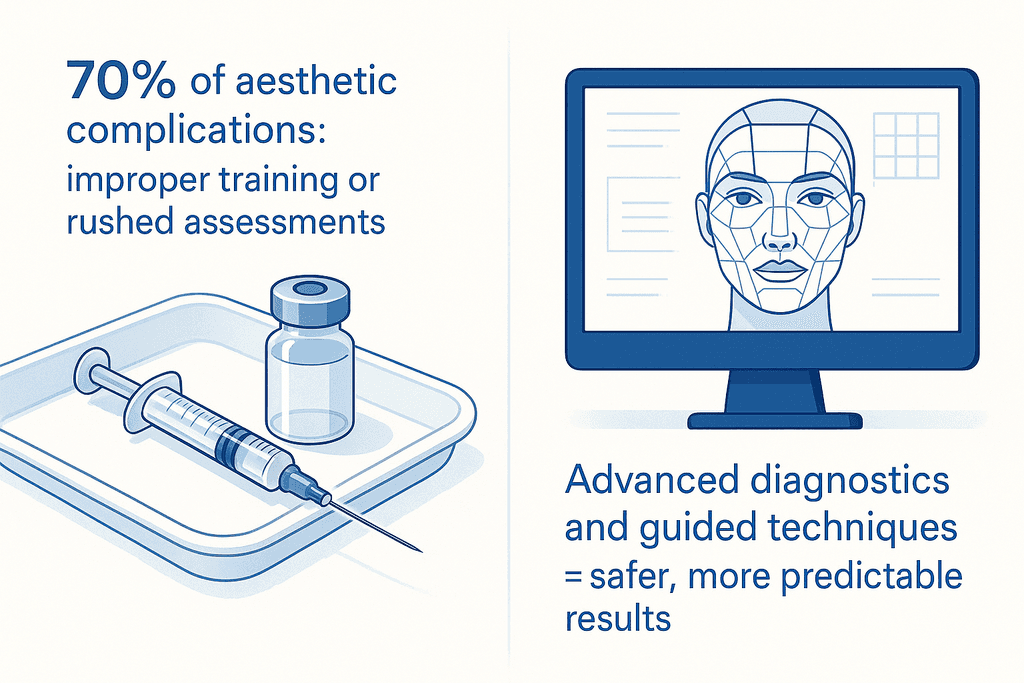
The difference between a great result and a bad one often depends on who's performing the procedure. Data shows about 70% of aesthetic complications arise from inadequate training or rushed assessments. Safe facial contouring techniques are available for all ages if you know what to look for in a provider.
Provider Credentials That Actually Matter
Not all certifications are equal. Some weekend courses grant certificates that lack proper training. Here’s what distinguishes qualified providers:
- Board certification in a medical specialty
- Aesthetic training beyond basic medical education
- Membership in professional aesthetic organizations
- Continuing education on new techniques and safety
- Hospital privileges or malpractice insurance
At Caleyo Wellness, dual board-certified providers Emmanuel Pelayo, NP-C, RDN, and Jaime Calderon, PA-C combine medical expertise with aesthetic training.
The Assessment Phase Saves Faces
Facial assessment takes time because faces aren't simple. Customization matters more than trends because effective treatments vary by individual. Good providers spend time analyzing bone structure, skin quality, and goals before any procedure.
Advanced tools like AI skin analysis catch what the eye might miss. They measure factors affecting how your skin responds to different facial sculpting options.
Red Flags You Should Never Ignore
Watch out for these warning signs:
- Providers pushing treatments without knowing your medical history
- Offices skipping in-person consultations
- Promises of permanent results from temporary fillers
- Lack of emergency protocols or reversal agents
- Providers who dismiss concerns or rush explanations
Research shows that proper assessment and technique selection reduce complication rates significantly.
Why Technology Backs Up Expertise
Even the most skilled providers benefit from precision tools. 3D imaging and AI diagnostics eliminate guesswork in treatment planning. They map out product placement, quantity, and expected results, leading to fewer touch-ups and better symmetry.
Your Next Steps Toward Safe Facial Contouring
Understanding safe facial contouring techniques becomes straightforward once you grasp the basics. Age matters because your skin changes, and what works at 30 may not be ideal at 50. The key is choosing treatments that suit your current stage, not a one-size-fits-all approach.
Finding a knowledgeable provider makes all the difference. Board-certified providers understand facial anatomy and how different facial sculpting options complement each other. At Caleyo Wellness, our team evaluates your facial structure before recommending treatment.
Here's what to consider when thinking about facial contouring:
- Start with a consultation, not a treatment
- Choose providers with medical credentials and aesthetic training
- Ask about age-appropriate options for your concerns
- Understand each treatment before committing
The biggest mistake is jumping into treatments without knowing your options. A free discovery call allows you to ask questions and explore what makes sense for your goals without pressure. Once you understand how safe facial contouring techniques work, decisions become clearer.
You may have questions about specific treatments or what suits your age and concerns. That's normal, and the answers might surprise you.
Common Questions About Facial Contouring
Facial contouring can seem overwhelming when determining what's safe and effective. Many people have similar concerns about timing, safety, and choosing the right approach. Here are answers to common questions about safe facial contouring techniques.
When is the best age to start facial contouring?
There's no specific age, but many notice volume loss or changes in their late 20s to early 30s. Some use neurotoxins preventatively to slow wrinkles, while others wait until specific concerns arise. Start when changes bother you, not based on others.
How long do contouring results last?
It depends on the facial sculpting options chosen. Neurotoxins usually last 3-4 months, while dermal fillers last 6 months to 2 years depending on product and placement. Regenerative treatments like AutoCorre® work differently by stimulating your collagen production, leading to longer-lasting results. At Caleyo Wellness, diagnostics track responses to adjust timing for individual needs.
Are fillers safe for all skin types?
Yes, modern dermal fillers are safe for all skin tones and types when administered by trained providers. The key is working with someone who understands facial anatomy and diverse patients. Some skin types are more prone to hyperpigmentation or keloid scarring, so providers should assess individual risk factors before any treatment.
What's the difference between fillers and regenerative treatments?
Fillers add immediate volume by placing gel-like substances under your skin, while regenerative treatments trigger your body to produce collagen and elastin. Think of fillers as adding furniture to a room and regenerative treatments as renovating the foundation. Both have their place, and many use a combination for the best results.
How do I know which treatment is right for me?
The honest answer is it depends on your concerns, skin quality, and goals. A proper consultation should include a detailed assessment of your facial structure, skin condition, and what you hope to achieve. We offer a free 15-minute discovery call at Caleyo Wellness to discuss concerns and get expert recommendations without pressure to commit.
Can treatments be combined safely?
Yes, and combining treatments often yields better results. For instance, you might use neurotoxins to relax dynamic wrinkles while using microneedling to improve skin texture. The key is proper timing and sequencing so treatments don't interfere. A qualified provider will create a plan that layers safe facial contouring techniques for optimal safety and results.
```