The Most Effective Ways to Combat Volume Loss in the Face

Your face starts losing volume in your mid-twenties, long before most people notice the first wrinkle. This gradual deflation changes your facial shape, creating hollows under your eyes, flattening your cheeks, and making you look more tired than you feel. The good news is that modern treatments like dermal fillers and collagen-stimulating procedures can restore that lost fullness naturally, and understanding the best options for facial volume loss helps you choose what actually works for your goals.
Table of Contents
- What Causes Facial Volume Loss
- Dermal Fillers for Volume Restoration
- Collagen-Stimulating Treatments for Long Term Results
- Non-Surgical Facial Contouring Techniques
- Choosing the Right Treatment for Your Goals
- Your Path to Restored Facial Volume
- Common Questions About Facial Volume Loss
What Causes Facial Volume Loss
Your face loses about 1% of its collagen every year after you turn 20. That might not sound like much, but over time it adds up to some pretty noticeable changes. The plump, full look you had in your twenties starts to fade as the natural cushioning under your skin breaks down. It's not just about wrinkles either—volume loss changes the actual shape and contours of your face in ways that can make you look tired or older than you feel.
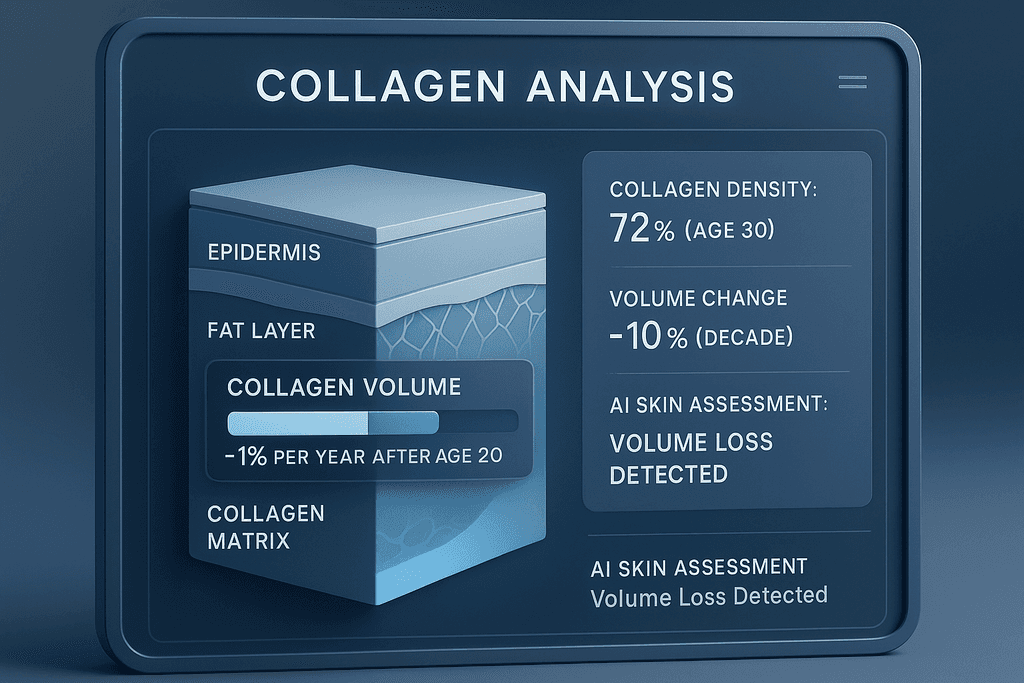
The process happens in layers, kind of like a building losing support from multiple floors at once. Your skin's collagen network weakens, the fat pads that give your face its shape start sliding downward, and even the bone underneath begins to shrink slightly. Add in things like sun damage, yo-yo dieting, or chronic stress, and the whole process speeds up. At Caleyo Wellness, we see patients every day who notice these changes but aren't sure what's actually happening beneath the surface.
How Aging Affects Facial Structure
The aging process hits your face from multiple angles at once. Here's what's really going on under your skin:
- Collagen and elastin fibers break down faster than your body can replace them, leaving skin less firm and supportive
- Fat compartments in your face don't just shrink—they actually migrate downward due to gravity and weakened tissue
- Bone resorption gradually reduces the underlying framework that once kept everything lifted and defined
- Cell turnover slows down, meaning your skin takes longer to repair and regenerate itself
This combination creates a domino effect. When the foundation weakens, everything above it starts to sag and deflate.
Lifestyle Factors That Speed Up Volume Loss
Your daily habits play a bigger role than you might think. Some things accelerate facial aging way faster than time alone:
- Sun exposure breaks down collagen through UV damage, which is why dermatologists call it photoaging
- Significant weight fluctuations stretch and deflate facial fat pads, leaving loose skin behind
- Chronic stress elevates cortisol levels, which can break down collagen and thin your skin over time
- Smoking restricts blood flow to facial tissues and directly damages collagen fibers
The good news? Understanding these factors means you can actually do something about them. This comprehensive guide to fighting facial volume loss breaks down more details about prevention and treatment options.
Where Volume Loss Shows Up First
Not all areas of your face age at the same rate. Certain spots lose volume faster and show changes earlier than others. The table below shows which areas typically get hit first and what you'll notice:
| Facial Area | Visible Signs of Volume Loss | Why It Happens Here |
|---|---|---|
| Cheeks | Flattening, hollowing, sagging jowls | Large fat pads migrate downward with gravity |
| Temples | Sunken, shadowed appearance | Thin fat layer and bone resorption |
| Under Eyes | Hollows, dark circles, tear troughs | Very thin skin with minimal fat support |
| Lips | Thinning, loss of definition, vertical lines | Collagen breakdown and muscle movement |
| Jawline | Loss of definition, jowling | Fat descent and bone loss along jaw |
These changes usually start showing up in your mid-30s to early 40s, though some people notice them earlier. The temples and under-eye area tend to hollow out first because there's less natural cushioning there to begin with. When patients come to Caleyo Wellness for skincare consultations, we use AI-powered skin analysis to map exactly where volume loss is happening and create a personalized plan. Choosing the right approach for facial contouring depends on understanding your specific pattern of volume loss, not just treating one area in isolation.
Dermal Fillers for Volume Restoration
Your face loses about 1% of its volume every year after age 30, which explains why those once-full cheeks start looking a bit hollow over time. Dermal fillers work by replacing that lost volume immediately, giving you results you can see right after your appointment. Most fillers use hyaluronic acid, a substance your body already makes naturally, which is why they tend to look so natural when done correctly.

Dermal Fillers for Volume Restoration
The thing about fillers is that not all of them work the same way in different parts of your face. Choosing fillers for volume restoration means matching the right product to the right area, and that's where experience really matters.
- Cheek fillers use thicker formulas to restore that youthful fullness and lift
- Temple fillers address the hollowing that makes faces look gaunt
- Jawline fillers can restore definition that's been lost to aging or weight changes
- Under-eye fillers require specialized techniques to avoid looking puffy or unnatural
Most people see results that last anywhere from 9 to 18 months, depending on which filler is used and where it's placed. The treatment itself usually takes less than 30 minutes, though you might have some minor swelling for a day or two afterward.
Here's what most people don't realize: the skill of your injector matters way more than the brand of filler they use. An experienced provider understands facial anatomy well enough to know exactly where to place product for natural-looking results. At Caleyo Wellness, we take a personalized approach to filler treatments, analyzing your unique facial structure before recommending specific products and placement strategies.
| Filler Type | Best For | Typical Duration |
|---|---|---|
| Hyaluronic Acid (HA) | Cheeks, lips, under-eyes | 9-18 months |
| Calcium Hydroxylapatite | Deep volume loss, jawline | 12-18 months |
| Poly-L-lactic Acid | Overall facial volume, temples | 2+ years |
Collagen-Stimulating Treatments for Long Term Results
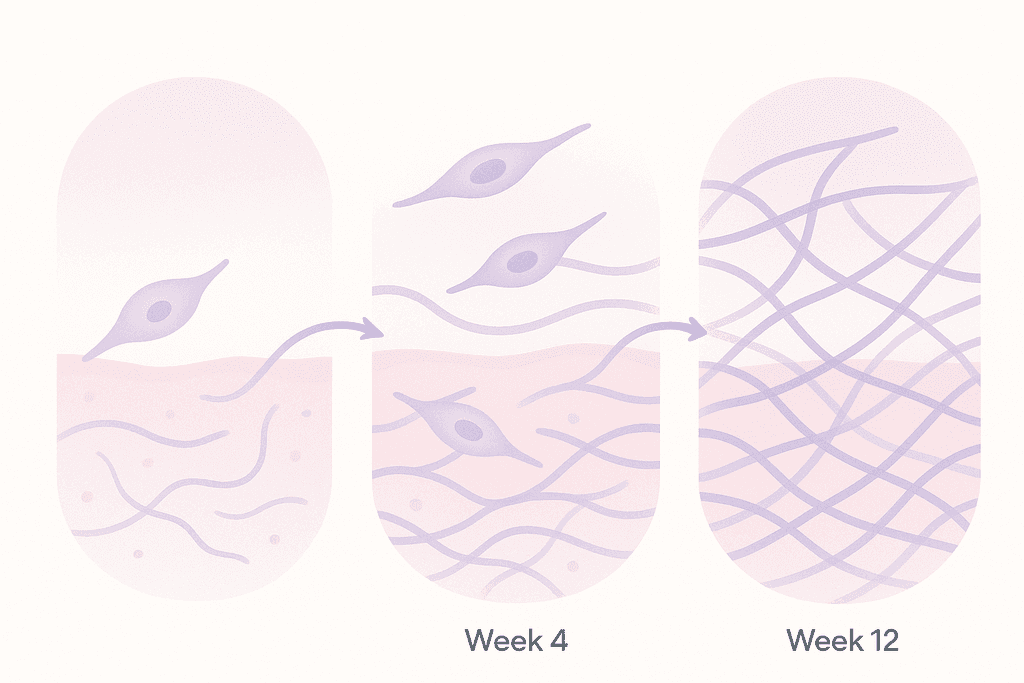
While traditional fillers give you instant results, collagen-stimulating treatments take a different approach entirely. Instead of adding volume directly, these treatments trigger your body to produce its own collagen and elastin over time. The results develop gradually, which means they look incredibly natural, and they actually improve the quality of your skin while restoring volume. Understanding how facial volume loss happens helps explain why these regenerative approaches can be so effective for long-term improvement.
Collagen-Stimulating Treatments for Long-Term Results
Microneedling creates tiny controlled injuries in your skin, which sounds scary but actually kickstarts your body's healing response. This process builds new collagen that gradually plumps the skin from within, improving both volume and texture over several months.
Skin boosters work differently by delivering hyaluronic acid deep into the skin layers rather than on top. This deep hydration approach gives you subtle volume improvement while making your skin look healthier and more radiant overall.
But there's something even more advanced available for those seeking the best options for facial volume loss. AutoCorre® is a proprietary regenerative protocol that accelerates your body's collagen and elastin production in ways that standard treatments can't match. We're certified to offer this exclusive treatment at Caleyo Wellness, and it's only available at select centers because of the specialized training required.
Timeline for Collagen-Stimulating Results:
Weeks 1-2: Minimal visible changes, healing phase
Weeks 4-6: Subtle improvements in skin texture and tone
Months 2-3: Noticeable volume restoration begins
Months 4-6: Peak results with continued improvement
Beyond 6 months: Cumulative benefits with maintenance treatments
The beauty of collagen-stimulating treatments is that they offer cumulative benefits. Each session builds on the last, and the results can last for years rather than months. Your skin actually becomes healthier and more resilient, not just fuller.
Non-Surgical Facial Contouring Techniques
The most dramatic improvements in facial contouring non-surgical approaches come from combining different treatments strategically. When you address volume loss while also improving skin quality and relaxing certain muscles, you get results that look more comprehensive than any single treatment could achieve. Think of it like this: fillers restore the structure, neurotoxins refine the movement, and skin treatments improve the canvas itself.
Strategic filler placement can actually lift your face without surgery. By adding volume in specific areas like the cheeks and temples, an experienced injector can create an upward pull that counteracts sagging. This technique works because your facial tissues are all connected, so supporting one area affects the others.
- Cheek enhancement creates a lifting effect for the midface
- Temple filling restores youthful fullness and reduces a hollow appearance
- Jawline contouring defines the lower face and improves profile
- Chin augmentation balances facial proportions
Neurotoxins like Botox complement volume restoration by relaxing muscles that pull your face downward. When certain muscles aren't constantly contracting, the lifting effect from fillers becomes even more noticeable. Research on volume restoration rates shows that combination approaches typically deliver better satisfaction than single-treatment plans.
Skin quality matters just as much as volume when it comes to looking younger. You can have perfectly placed fillers, but if your skin texture is rough or your tone is uneven, the overall result won't look as good as it could. That's why treatments like chemical peels, microneedling, and medical-grade facials play an important role in comprehensive facial rejuvenation.
| Approach | Pros | Cons |
|---|---|---|
| Surgical | Dramatic results, long-lasting, addresses severe sagging | Expensive, requires recovery time, carries surgical risks |
| Non-Surgical | No downtime, gradual natural results, lower cost, reversible options | Requires maintenance, may not address severe cases, results take time |
At Caleyo Wellness, we use AI-powered skin analysis to create truly customized treatment plans based on your individual facial anatomy. This technology measures everything from hydration levels to elasticity, giving us precise data to work with rather than just visual assessment. Every face is different, which means your treatment plan should be too.
The best part about modern non-surgical options is that you can start conservatively and build up over time. You're not locked into one dramatic procedure with a long recovery period. Instead, you can gradually restore volume and improve your appearance in a way that looks natural to everyone around you.
Choosing the Right Treatment for Your Goals
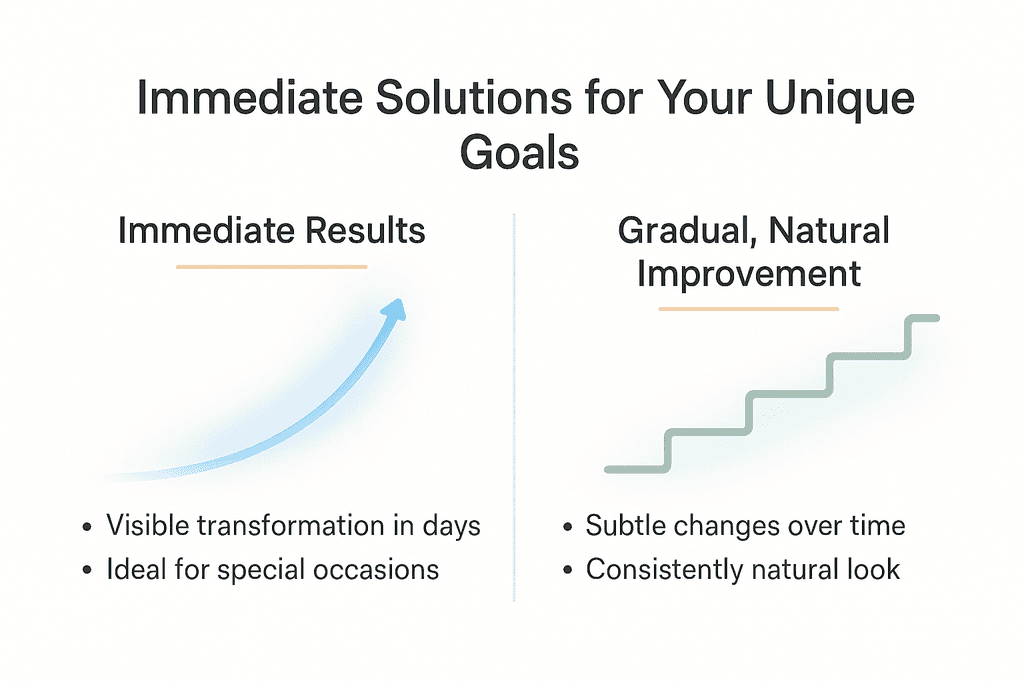
The truth is, there's no single "best" treatment for facial volume loss because everyone's face ages differently. What works beautifully for your friend might not address your specific concerns at all. The key is understanding what you're actually trying to achieve and how quickly you want to see results. Some people want immediate transformation before a big event, while others prefer gradual improvements that look completely natural over time. Your age, lifestyle, and how much volume you've lost all play a role in which approach makes the most sense for you.
Factors That Shape Your Treatment Choice
Before you book any procedure, think about these practical considerations. They'll help you narrow down which options align with your real life, not just what sounds good in theory.
- Timeline expectations - Dermal fillers give you instant results you can see that same day, while collagen-stimulating treatments like microneedling or AutoCorre® build volume gradually over weeks or months
- Severity of volume loss - Minor hollowing might respond well to skin boosters alone, but significant deflation usually needs fillers or combination approaches
- Budget and maintenance - Fillers cost more upfront but last 12-18 months, while treatments that boost your own collagen may need multiple sessions initially but can have longer-lasting effects
- Downtime tolerance - Some treatments let you return to work immediately, others require a few days of recovery
- Natural vs dramatic preference - This affects both product choice and injection technique
Why Personalized Assessment Matters
Here's something most people don't realize until they sit down with a qualified provider. The best results for facial volume restoration almost always come from combining multiple approaches rather than relying on just one treatment. Your cheeks might need filler, but your skin quality could benefit from microneedling, and your overall facial harmony might improve with strategic neurotoxin placement.
At Caleyo Wellness, we use AI-powered skin analysis during consultations to measure exactly what's happening beneath the surface. This takes the guesswork out of choosing fillers for volume restoration and helps create a plan that addresses your specific anatomy. It's why we offer a free 15-minute discovery call before you commit to anything.
Questions to Ask During Your Consultation
Walk into your appointment prepared. These questions will help you understand whether a provider truly gets your goals or is just trying to sell you their favorite treatment.
- Which specific areas of volume loss are most noticeable on my face?
- What's causing my volume loss - is it fat loss, bone resorption, or skin quality decline?
- Would I benefit more from immediate volume replacement or gradual collagen building?
- What combination of treatments would give me the most natural-looking results?
- How long will results last, and what's the maintenance schedule?
- What's the total investment for my initial treatment plan and annual upkeep?
- Are there any risks specific to my skin type or medical history?
The right provider won't push you toward the most expensive option. They'll explain why certain treatments make sense for your face specifically and what realistic outcomes look like. That's the difference between getting work done and getting results that actually enhance how you look.
Your Path to Restored Facial Volume
The good news is that you have plenty of options when it comes to treating facial volume loss. Whether you're dealing with hollowed cheeks, thinning lips, or sunken temples, there's likely a treatment that fits your needs and comfort level. The key is finding what works for your specific situation, not just following trends or what worked for someone else.
When done right by experienced providers, these treatments look natural. Nobody should be able to tell you had work done unless you want them to know. That's where personalized treatment planning comes in, because your face is different from everyone else's and deserves a custom approach.
At Caleyo Wellness, we use dermal fillers, skin boosters, and regenerative treatments like AutoCorre to address volume loss in ways that match your goals. Our dual board-certified providers take time to understand what you're hoping to achieve before recommending anything. We also offer a free discovery call if you want to explore your options without any pressure or commitment.
The truth is, aging happens to everyone. But how you respond to it is entirely up to you. Some people are ready to take action now, while others prefer to wait and see. Either way, knowing what's available puts you in control of the process instead of feeling like it's happening to you.
Common Questions About Facial Volume Loss
When you're thinking about treating volume loss, you probably have a bunch of questions running through your head. Most people do, and honestly, that's a good thing because understanding your options helps you make better choices. Here are the answers to what we hear most often from people considering facial volume restoration treatments.
At what age does facial volume loss typically start?
Most people start noticing subtle volume loss in their mid to late twenties, though it becomes more obvious in your thirties and forties. The speed depends on genetics, sun exposure, lifestyle habits, and how much fat you naturally have in your face. Some people see changes earlier, while others maintain fullness longer.
How long do dermal fillers last for volume restoration?
It depends on which filler you get and where it's placed. Most hyaluronic acid fillers last anywhere from 6 to 18 months, with deeper placement typically lasting longer. Fillers in areas with less movement, like the cheeks, tend to stick around longer than those in your lips. At Caleyo Wellness, we help you choose the best options for facial volume loss based on your goals and how long you want results to last.
Are volume-restoring treatments painful?
Most people describe it as mild discomfort rather than actual pain. Many fillers come pre-mixed with numbing medication, and providers can also apply topical numbing cream before treatment. Treatments like microneedling or AutoCorre might feel a bit more intense, but they're still manageable with proper numbing.
Can you combine different treatments for volume loss?
Yes, and combining treatments often gives better results than doing just one thing. You might use dermal fillers for immediate volume while adding collagen stimulators for long-term improvement. Choosing fillers for volume restoration alongside treatments like microneedling or skin boosters addresses both structure and skin quality at the same time.
How much downtime is needed after volume restoration treatments?
Most injectable treatments have minimal downtime, meaning you can go back to normal activities right away. You might have some swelling, redness, or bruising for a few days, but nothing that keeps you home. Treatments like chemical peels or more intensive microneedling might need a few days of social downtime while your skin heals and looks its best.
What's the difference between fillers and collagen stimulators?
Fillers add volume immediately by physically filling space under your skin, while collagen stimulators work by triggering your body to make its own collagen over time. Fillers give you instant results that gradually fade, whereas collagen stimulators take a few months to show full results but can last much longer. Many people use both for facial contouring non-surgical approaches that cover immediate and long-term needs.