Tips for Preventing Hair Thinning as You Age
```html
You might notice more hair in your brush than usual, or a wider part line when you look in the mirror. The truth is, preventing hair thinning becomes more important as we age because the changes happening inside your follicles start years before you see visible loss. Understanding what causes aging and hair loss—and knowing the right strategies for healthy hair with age—can help you keep more of what you have.
```
Table of Contents
- Why Hair Thins as We Age
- Nutrition That Feeds Your Follicles
- Lifestyle Changes That Protect Your Hair
- Medical Treatments That Actually Work
- Your Hair Health Starts Today
- Common Questions About Preventing Hair Thinning
Why Hair Thins as We Age
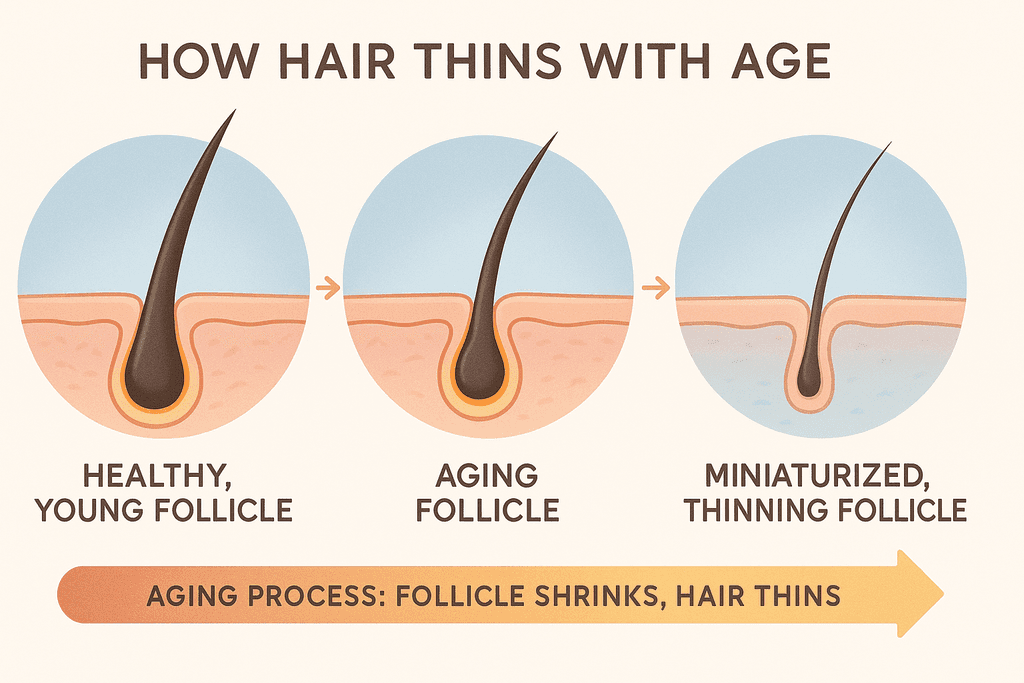
Your hair follicles are basically tiny factories that pump out strands of hair throughout your life. But like any factory, they slow down over time. Each follicle goes through cycles of growing, resting, and shedding, and as you get older, these cycles start to change in ways that leave you with less hair on your head. The follicles themselves actually shrink, which means the hair they produce gets thinner and weaker. It's not just about losing hair—it's about the hair you do have becoming less substantial.
The Hormone Problem
One of the biggest culprits behind aging and hair loss is a hormone called DHT, which is made from testosterone in your body. DHT attaches to hair follicles and slowly shrinks them, making it harder for them to produce normal, thick hair. This process is called follicle miniaturization, and it's the main reason for pattern hair loss in both men and women. According to research from Harvard Health, this type of hair loss affects millions of people and typically follows predictable patterns as we age.
Women experience different hormonal shifts than men, especially during menopause when estrogen levels drop. This hormonal change can make DHT's effects even more noticeable.
What Happens Inside Your Scalp
Beyond hormones, your scalp itself changes as you age. Blood flow to your hair follicles decreases, which means they get fewer nutrients and less oxygen. Think of it like a garden that's not getting enough water—the plants struggle to grow strong and healthy.
The growth cycle of your hair also shifts over time:
- The anagen phase (active growth) gets shorter, so hair doesn't grow as long
- The telogen phase (resting period) gets longer, meaning more follicles sit idle
- Fewer follicles are actively producing hair at any given time
- The transition between phases becomes less efficient
Nutrition and Hair Health
As we age, our bodies don't absorb nutrients as well as they used to. Deficiencies in iron, vitamin D, biotin, and protein become more common and directly impact hair health. Your hair follicles need a steady supply of these nutrients to function properly, and when they don't get them, hair growth slows down and existing hair becomes brittle.
At Caleyo Wellness, our Hair Restoration treatments address these underlying causes by targeting both scalp health and follicle function. We also offer Nutrition & Lifestyle Counseling to make sure your body has what it needs to support healthy hair from the inside out.
When Hair Thinning Typically Starts
Hair changes don't happen overnight. They follow a gradual timeline that varies from person to person but generally follows these patterns:
| Age Range | Typical Hair Changes | What's Happening |
|---|---|---|
| 20s-30s | Peak hair density and thickness | Follicles are at maximum productivity; growth cycles are optimal |
| 30s-40s | Subtle thinning begins, especially at temples and crown | DHT sensitivity increases; follicle miniaturization starts; blood flow begins to decrease |
| 40s-50s | Noticeable thinning and reduced volume | Hormonal shifts accelerate (especially in women); growth phase shortens significantly |
| 50s-60s | Widespread thinning and slower regrowth | Nutrient absorption declines; follicles spend more time in resting phase |
| 60s+ | Significant density loss and finer hair texture | Cumulative effects of aging; many follicles become dormant or produce very fine hair |
Understanding these changes is the first step in preventing hair thinning before it becomes a major concern. The good news is that many of these processes can be slowed or even reversed with the right approach.
Nutrition That Feeds Your Follicles
Most people don't realize that the hair you see today started growing three to six months ago. That means what you eat right now is literally building the hair you'll have next season. Your follicles are tiny factories that need specific raw materials to produce strong, healthy strands. When those materials run low, your hair pays the price before almost any other part of your body shows signs of trouble.
Protein is the foundation of every single hair strand since hair is made almost entirely of a protein called keratin. If you're not getting enough protein in your diet, your body will redirect what little it has to more critical functions like maintaining your organs and muscles. Your hair gets put on the back burner.
- Aim for 0.8-1g of protein per pound of body weight to give your follicles what they need
- Iron deficiency is one of the leading causes of hair loss, especially in women who menstruate or follow restrictive diets
- B-vitamins like biotin and B12 power the cellular energy systems that keep follicles active and productive
- Vitamin D receptors in your follicles play a crucial role in cycling hair from rest phase to growth phase
The connection between nutrition and hair health goes deeper than most people think. Omega-3 fatty acids reduce inflammation around follicles, creating a healthier environment for growth. Meanwhile, zinc and selenium act as antioxidants that protect your follicles from the oxidative stress that accumulates as we age.
| Nutrient | Why Hair Needs It | Best Food Sources | Daily Amount |
|---|---|---|---|
| Protein | Building block of hair structure | Eggs, fish, chicken, legumes | 0.8-1g per lb body weight |
| Iron | Delivers oxygen to follicles | Red meat, spinach, lentils | 18mg (women), 8mg (men) |
| Biotin (B7) | Supports keratin production | Eggs, nuts, sweet potatoes | 30mcg |
| Vitamin D | Activates hair growth cycle | Fatty fish, fortified foods, sunlight | 600-800 IU |
| Omega-3s | Reduces scalp inflammation | Salmon, walnuts, flaxseed | 250-500mg EPA+DHA |
| Zinc | Protects from oxidative damage | Oysters, beef, pumpkin seeds | 8-11mg |
At Caleyo Wellness, our nutritional counseling digs into your specific deficiencies through detailed assessment and sometimes lab work. We create personalized plans that address the exact nutrients your hair needs, not just generic advice. Sometimes the solution is as simple as adjusting your diet, but other times targeted supplementation or even nutritional IV therapy can deliver key nutrients directly where your body needs them most.
Lifestyle Changes That Protect Your Hair
The way you live your daily life has more impact on your hair than most people want to admit. Stress, sleep, and even how you style your hair can either support healthy growth or quietly sabotage it. The good news is that small changes in your routine can make a measurable difference in how much hair you keep as you age. These aren't complicated medical interventions, just smart adjustments that protect what you have.
Chronic stress is one of the sneakiest hair thieves out there. When you're constantly stressed, your body pumps out cortisol, which can push hair follicles into a resting phase called telogen. A few months later, you notice more hair in the shower drain and wonder what happened.
- Quality sleep (7-9 hours) is when your body does most of its repair work, including growing and strengthening hair
- Regular exercise improves blood flow to your scalp and may even help reduce DHT, a hormone linked to hair loss
- Avoid tight hairstyles like high ponytails or tight braids that cause traction alopecia over time
- Limit heat styling and harsh chemical treatments that weaken the hair shaft and damage follicles
Something as simple as scalp massage can increase blood flow to your follicles, bringing more nutrients and oxygen to support growth. Just five minutes a day while you're watching TV or winding down can make a difference. And don't forget about UV protection for your scalp, especially if your hair is thinning. Sun damage creates oxidative stress that ages follicles faster.
Daily and Weekly Habits Checklist
Daily:
- Get 7-9 hours of quality sleep
- Eat protein with every meal
- Practice stress management (meditation, deep breathing, or movement)
- Gentle scalp massage for 5 minutes
- Avoid tight hairstyles
Weekly:
- Exercise 3-5 times to boost circulation
- Deep conditioning treatment
- Limit heat styling to 2-3 times maximum
- Check in on stress levels and adjust as needed
The connection between lifestyle factors and age-related hair loss is well documented. Your daily choices either support your follicles or slowly wear them down.
Medical Treatments That Actually Work
When nutrition and lifestyle changes aren't enough, medical treatments can step in to actively stimulate hair growth and protect existing follicles. Not all treatments are created equal though. Some have decades of research behind them, while others are mostly marketing hype. The key is understanding which interventions actually have evidence supporting them and how they work with your body's natural processes. At Caleyo Wellness, we combine multiple approaches based on what your specific situation needs.
Medical Treatments That Actually Work
Minoxidil works by increasing blood flow to follicles and extending the growth phase of the hair cycle. It's one of the most studied treatments available, but it requires consistent use to maintain results.
| Treatment | How It Works | Timeline for Results | Best For |
|---|---|---|---|
| Minoxidil | Increases blood flow, extends growth phase | 3-6 months | Early to moderate thinning |
| PRP Injections | Uses your growth factors to wake up follicles | 3-4 months | Active hair loss, thinning areas |
| Microneedling | Creates micro-injuries that trigger healing | 2-4 months | Enhancing other treatments |
| Peptide Injections | Delivers growth signals directly to follicles | 2-3 months | Targeted thinning areas |
| Nutritional IV Therapy | Delivers nutrients directly to bloodstream | 1-3 months | Nutrient deficiencies affecting hair |
Platelet-Rich Plasma (PRP) therapy takes a small amount of your own blood, concentrates the growth factors, and injects them directly into your scalp. These growth factors signal dormant follicles to start producing again. It's not a quick fix, but the results can be significant for the right candidates.
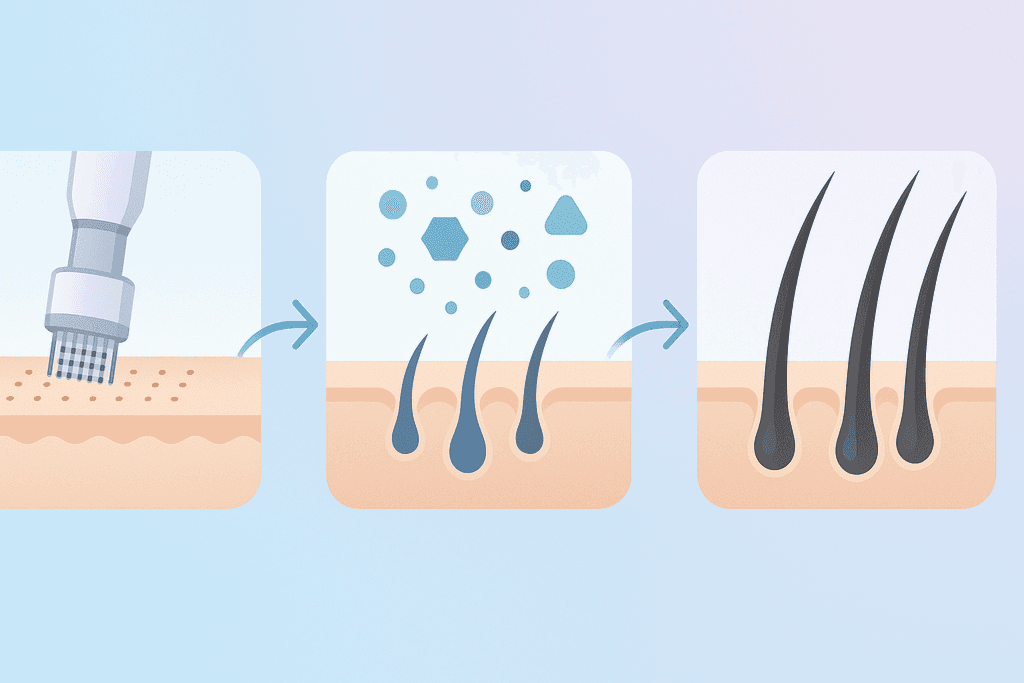
- Microneedling creates controlled micro-injuries that trigger your body's healing response and boost collagen production around follicles
- Peptide injections and growth factor serums provide targeted support directly where follicles need it most
- Low-level laser therapy stimulates cellular activity in follicles without any pain or downtime
Our hair restoration approach at Caleyo Wellness doesn't rely on just one treatment. We combine modalities based on your specific pattern of thinning, your overall health, and your goals. Sometimes that means pairing microneedling with PRP for enhanced absorption, or using nutritional IV therapy to address underlying deficiencies while topical treatments work on the surface.
The evidence for a multifactorial approach to hair longevity shows that combining treatments often produces better results than any single intervention alone. Your hair didn't start thinning for just one reason, so addressing it from multiple angles makes sense.
The earlier you start, the more hair you can keep. Once follicles have been dormant for too long, they become much harder to reactivate. That's why we encourage people to book a free discovery call as soon as they notice changes, not years later when options become more limited.
Your Hair Health Starts Today
The truth about preventing hair thinning is pretty straightforward. It's not something you just have to accept as you get older. The earlier you start paying attention to your hair health, the more you can do about it. Most people wait until they've lost a lot of hair before they take action, but that makes everything harder.
The best approach combines multiple strategies at once. You need good nutrition with enough protein and the right vitamins. You need to manage stress and get decent sleep. And sometimes you need medical treatments that actually work on the root causes.
Here's what makes the biggest difference:
- Getting a professional assessment to figure out what's actually causing your hair to thin
- Starting treatment before the problem gets worse
- Using proven medical approaches instead of just hoping supplements will fix everything
- Tracking your progress so you know what's working
At Caleyo Wellness, our hair restoration programs look at your specific situation and build a plan around what your body needs. We use treatments that target both scalp health and follicle function, which is how you get real results instead of just slowing things down.
If you're noticing changes in your hair, a free discovery call can help you understand what's happening and what options make sense for you. The questions people usually have about hair thinning and aging come up a lot, so let's address those next.
Common Questions About Preventing Hair Thinning
Hair loss can feel confusing, especially when you're not sure what's normal or what you can actually do about it. Most people have similar questions when they first notice their hair changing, and getting clear answers helps you make better decisions about your hair health. Here are the questions we hear most often about preventing hair thinning and what actually works as you get older.
At what age does hair thinning typically start?
Most people start noticing some hair changes in their 30s and 40s, though it can happen earlier or later depending on genetics and lifestyle. Men often see thinning at the temples or crown first, while women typically notice overall volume loss or a widening part. Some people experience changes as early as their 20s, which is why paying attention to your hair health early matters.
Can hair thinning be reversed or only slowed down?
It depends on what's causing the thinning and how long it's been happening. If the hair follicles are still alive but just weakened, treatments can often stimulate regrowth and improve thickness. Once follicles are completely dormant for years, reversal becomes much harder, which is why starting treatment early gives you the best chance at real improvement. At Caleyo Wellness, our hair restoration treatments target both scalp and follicle health to maximize your results.
How long does it take to see results from hair treatments?
Most professional hair treatments take about 3 to 6 months before you notice visible changes. Hair grows slowly, so patience is part of the process. You might see reduced shedding or improved texture before you see actual regrowth, which is a good sign things are working.
Are hair restoration treatments painful?
Most modern hair restoration treatments involve minimal discomfort. Procedures like microneedling or injections might cause slight pressure or tingling, but they're generally well-tolerated and quick. Many clinics use numbing options to keep you comfortable throughout the process.
Do I need to continue treatments forever?
Maintenance is usually needed to keep your results, since aging and hair loss don't stop on their own. The good news is that maintenance treatments are typically less frequent than the initial phase. Think of it like going to the gym—you get results with consistent effort, and some upkeep keeps those results going.
How do I know which treatment is right for me?
The best way to figure out your ideal treatment is through a professional consultation that looks at your specific hair loss pattern, health history, and goals. What works for one person might not be the best fit for another, so personalized assessment matters. Caleyo Wellness offers a free discovery call where you can discuss your concerns and get expert recommendations tailored to your situation.