Top reasons to consider professional nutritional counseling for your diet

Most people who try to lose weight on their own gain it all back within twelve months, not because they lack willpower, but because they're missing the personalized guidance that makes change stick. Generic meal plans and one-size-fits-all advice ignore how your unique body actually processes food, which is why professional nutritional counseling reasons go far beyond simple calorie counting. At Caleyo Wellness, our registered dietitian works with you to understand your specific metabolic needs and create a plan that's built for lasting results, not quick fixes.
Table of Contents
- What Makes Professional Nutritional Counseling Different
- Your Body Chemistry Is Unique
- Breaking Through Weight Loss Plateaus
- Managing Complex Health Conditions Through Food
- Building Sustainable Habits That Actually Stick
- Your Next Step Toward Real Results
- Common Questions About Nutritional Counseling
What Makes Professional Nutritional Counseling Different
About 45 million Americans try a new diet each year, but most of them get their advice from social media influencers or generic meal plans they found online. The problem is that nutrition information on the internet is like the Wild West—anyone can call themselves a nutrition expert without any real training. Professional nutritional counseling reasons go way beyond what you'll find in a trending TikTok video or a one-size-fits-all app. Real dietitians spend years learning how food affects your body at a medical level, not just what worked for someone's before-and-after photos.
The Training Gap Nobody Talks About
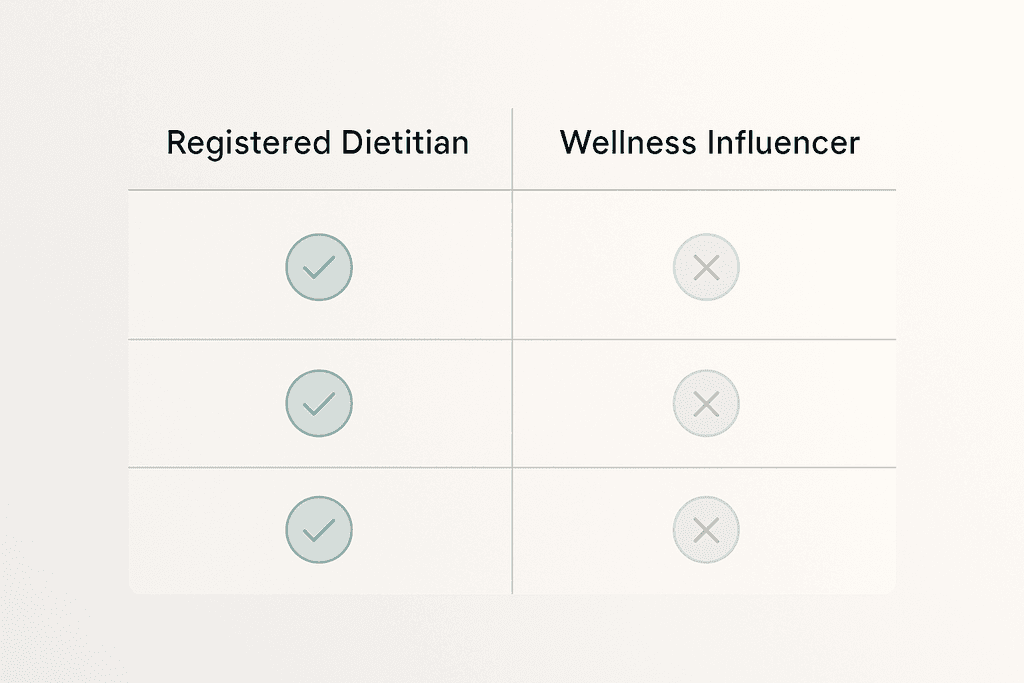
When you work with a registered dietitian, you're getting someone who completed serious medical and nutritional training. We're talking about a four-year degree in nutrition science, a supervised practice program, and a national exam that covers everything from biochemistry to disease management. At Caleyo Wellness, our team includes Emmanuel Pelayo, NP-C, RDN, who brings both nursing and registered dietitian credentials to the table.
The difference between nutrition professionals isn't just about letters after their name. It's about what those letters actually mean for your health.
| Professional Type | Required Education | Licensing Required | Can Provide Medical Nutrition Therapy |
|---|---|---|---|
| Registered Dietitian (RD/RDN) | Bachelor's degree + 1,200 supervised hours + national exam | Yes, state-regulated | Yes |
| Nutritionist | Varies widely (sometimes none) | Depends on state | No |
| Health Coach | Certificate program (weeks to months) | No | No |
| Wellness Influencer | None required | No | No |
Evidence Based Versus Trend Based
Professional nutritional counseling uses strategies that have been tested in actual research studies, not just what's popular this month. A dietitian for personalized diet planning looks at your blood work, medical history, medications, and lifestyle before making any recommendations. They're not going to tell you to cut out entire food groups because it worked for their Instagram followers.
Here's what a real professional considers during your consultation:
- Your current lab results and biomarkers
- Any medications you take and how they interact with nutrients
- Your work schedule, cooking skills, and food preferences
- Medical conditions like diabetes, high blood pressure, or digestive issues
- Your actual goals, not just a number on the scale
Personalization That Actually Means Something
The word "personalized" gets thrown around a lot in wellness spaces, but nutritionist benefits for wellness only matter when the personalization is real. Generic diet apps might ask your age and weight, but they don't know that you work night shifts or that you have PCOS or that certain foods trigger your migraines.
Professional counseling digs deeper into what makes your body unique. The approach considers things like:
- How your metabolism actually functions based on testing
- Your relationship with food and eating patterns
- Cultural food preferences and family meal dynamics
- Budget constraints and grocery access
At Caleyo Wellness, nutritional counseling integrates with other services like metabolic testing and body composition analysis using 3D scanning technology. This means your nutrition plan isn't based on guesswork—it's built on actual data about how your body works right now.
Your Body Chemistry Is Unique
Two people can eat the exact same meals and exercise the same amount, yet one loses weight while the other gains it. This isn't about willpower or discipline. Your metabolic rate can vary by up to 30% compared to someone else your age and size. That's why cookie-cutter diet plans from social media or generic apps rarely work long-term. Your body processes food differently based on factors most people never consider.

Your Body Chemistry Is Unique
Hormonal imbalances affect how your body processes nutrients in ways that make standard calorie counting almost useless. Someone with thyroid issues might need completely different macronutrient ratios than someone with insulin resistance. Medical conditions require specialized dietary modifications that only trained professionals can safely design.
- Genetic factors influence nutrient absorption and determine which foods your body handles well
- Food sensitivities can cause inflammation that blocks weight loss
- Medications interact with certain nutrients in unexpected ways
- Stress hormones change how your body stores fat
- Sleep quality directly impacts hunger hormones and cravings
Professional assessment identifies your specific needs through lab work and body composition analysis. At Caleyo Wellness, we use 3D body scanning and AI-powered diagnostics for precision planning that goes way beyond what a bathroom scale can tell you. This technology shows exactly where your body stores fat and how your composition changes over time, not just your total weight.
Breaking Through Weight Loss Plateaus
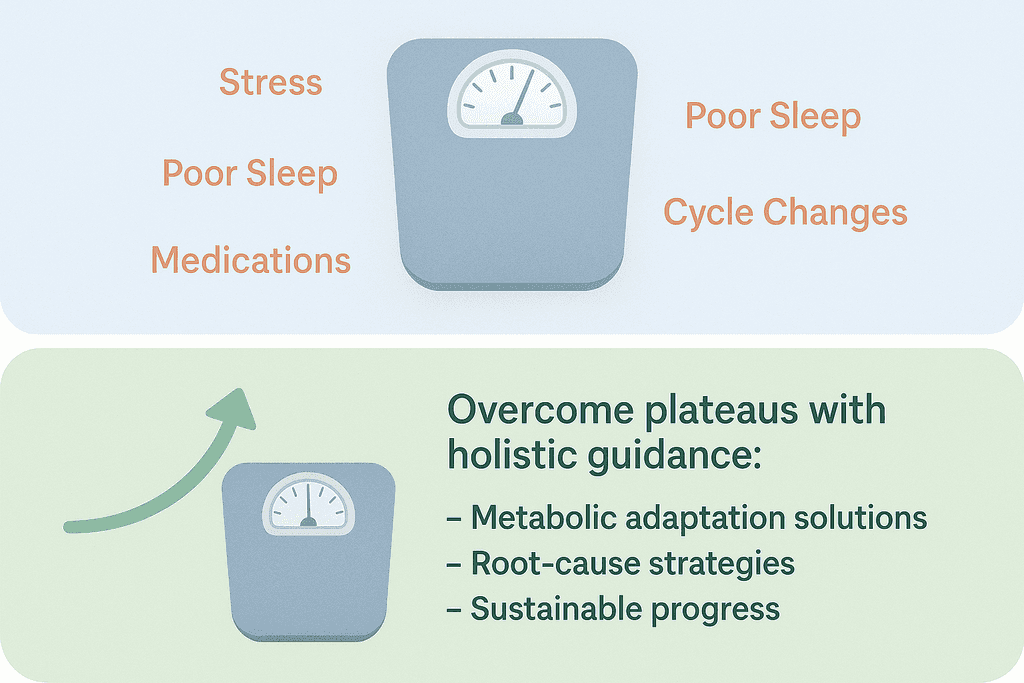
You've been doing everything right for weeks. The scale was moving down steadily. Then suddenly, nothing changes for two weeks straight despite following the same plan. Your body fights weight loss after initial success because it thinks you're starving. This metabolic adaptation is a survival mechanism, not a personal failure.
Breaking Through Weight Loss Plateaus
Hidden factors that stall progress include stress levels, poor sleep quality, and certain medications that nobody warned you about. Even your menstrual cycle can mask fat loss for up to two weeks. Professional dietitians identify these obstacles through detailed tracking and regular check-ins that spot patterns you'd never notice on your own.
How professionals adjust your plan based on real data:
- Metabolic testing reveals if your body is burning fewer calories than expected
- Macronutrient ratios get tweaked based on your individual response
- Meal timing shifts to match your natural hormone patterns
- Strategic refeed days reset metabolism without derailing progress
Caleyo Wellness tracks progress with 3D body scanning to see changes beyond the scale. You might be losing inches and gaining muscle while the number on the scale stays the same. Medical interventions become available when lifestyle changes aren't enough, which is something only qualified healthcare providers can safely prescribe and monitor.
Managing Complex Health Conditions Through Food
Food becomes medicine when you're dealing with chronic health conditions. Diabetes management requires precise carbohydrate timing and quality, not just cutting carbs completely like popular diets suggest. The wrong approach can cause dangerous blood sugar swings that damage your body over time. PCOS responds to specific macronutrient ratios and anti-inflammatory foods that most general nutrition advice completely misses.
Thyroid conditions need careful attention to nutrient deficiencies that worsen symptoms. Selenium, zinc, and iodine levels matter more than most people realize. Autoimmune protocols require systematic elimination and reintroduction of foods to identify triggers without unnecessarily restricting your diet forever.
Professional monitoring prevents dangerous interactions with medications. Some foods block thyroid medication absorption. Others interfere with blood thinners or blood pressure drugs. A registered dietitian knows these interactions and adjusts your plan accordingly.
- Functional medicine approach addresses root causes, not just symptoms
- Lab work reveals deficiencies before they cause serious problems
- Personalized protocols consider your entire health picture
- Regular adjustments keep your plan working as your body changes
Emmanuel Pelayo at Caleyo Wellness combines RDN credentials with nurse practitioner expertise, which means you get both nutritional and medical oversight in one place. This dual perspective catches issues that single-discipline providers might miss.
Building Sustainable Habits That Actually Stick
Willpower alone fails because it's a limited resource that runs out by the end of a stressful day. You need systems and strategies that work even when motivation is low. Professional nutritional counseling teaches behavioral strategies to overcome emotional eating and food triggers that derail progress. The goal isn't perfection, it's building patterns that become automatic over time.
Creating systems and environments that support your goals matters more than trying harder. If you have to use willpower every single time you open the fridge, you'll eventually break. Regular check-ins provide accountability and course correction before small slip-ups become major setbacks.
What makes habits stick long-term:
- Addressing the psychological relationship with food, not just what you eat
- Gradual progression prevents burnout and diet fatigue
- Personalized strategies fit your lifestyle instead of forcing rigid rules
- Long-term maintenance planning prevents regaining weight after you hit your goal
Most diets focus only on losing weight, not on what happens after. Professional nutritional counseling includes transition phases that teach you how to maintain results without staying on a restrictive plan forever. This is where the real value shows up, months and years down the road when you're still at your goal weight while everyone else has gained it all back.
Your Next Step Toward Real Results
The difference between trying another diet on your own and working with a professional comes down to one thing: you stop guessing. Professional nutritional counseling reasons are pretty straightforward when you think about it. You get a plan built around your actual body, your health conditions, and your real life. Not some generic meal plan that worked for someone else.
A dietitian for personalized diet planning helps you figure out what's actually holding you back. Maybe it's hormones, maybe it's how your body processes certain foods, or maybe you just need someone to help you stay consistent when life gets messy. The nutritionist benefits for wellness go beyond just losing weight or eating better. You learn how to build habits that stick, how to handle setbacks without giving up, and how to make progress that actually lasts.
At Caleyo Wellness, our nutritional counseling is led by Emmanuel Pelayo, who's both a nurse practitioner and registered dietitian. That dual expertise means you're not just getting meal advice. You're getting medical insight into how your body works and what it needs to function at its best.
If you're tired of spinning your wheels and want to see what personalized support actually looks like, we offer a free 15-minute discovery call. No pressure, just a conversation about where you are and where you want to go. Sometimes the hardest part is just starting, but having the right guidance makes everything else easier.
Common Questions About Nutritional Counseling
Most people have similar questions when they're thinking about working with a professional for their diet and health. The process can seem unclear at first, especially if you've never worked with a dietitian before. Here are the answers to the most common questions we hear from people considering professional nutritional counseling for their wellness goals.
How is a dietitian different from a nutritionist?
A registered dietitian (RDN) has completed specific education requirements, passed a national exam, and maintains credentials through continuing education. Nutritionists may have varying levels of training since the title isn't always regulated. At Caleyo Wellness, our team includes registered dietitian expertise combined with board-certified medical providers, which means you get evidence-based guidance backed by clinical training.
What happens during a nutritional counseling session?
Your first session typically involves a detailed discussion about your health history, current eating patterns, lifestyle habits, and specific goals. The dietitian will assess your needs and create a personalized plan that fits your life, not some generic meal plan from the internet. Follow-up sessions track your progress, adjust strategies, and address any challenges you're facing along the way.
How long does it take to see results?
Most people notice changes within the first few weeks, though this depends on your specific goals and starting point. Weight changes might take a bit longer, while energy levels and digestion often improve faster. The key is that nutritionist benefits for wellness build over time, and working with a professional helps you stay consistent enough to actually see those results stick.
Is nutritional counseling covered by insurance?
Some insurance plans do cover sessions with a registered dietitian, especially if you have a medical condition like diabetes or heart disease. Coverage varies widely by plan and provider. Caleyo Wellness offers payment plans to make services accessible, and we can provide documentation you might need for insurance reimbursement.
Do I need a referral to work with a dietitian?
You don't need a referral to start working with a dietitian at Caleyo Wellness. You can book a free 15-minute discovery call directly to discuss your goals and see if our approach is right for you. Some insurance companies do require referrals for coverage, but that's separate from actually scheduling your appointment.
Can nutritional counseling help with specific medical conditions?
Yes, a dietitian for personalized diet planning can address many health conditions including diabetes, high blood pressure, digestive issues, hormonal imbalances, and metabolic concerns. Our functional medicine approach looks at root causes rather than just symptoms. We combine nutritional strategies with medical oversight to create comprehensive plans that actually address what's going on in your body.