Understanding different types of chemical peels and their purposes
Your skin sheds around 30,000 dead cells every minute, but sometimes they stick around longer than they should, leaving your complexion looking tired and uneven. Chemical peels work by speeding up this natural process, clearing away the buildup that moisturizers can't reach. Understanding the types of chemical peels available helps you match the right treatment to your specific skin concerns, whether that's stubborn dark spots, fine lines, or rough texture.
Table of Contents
- How Chemical Peels Actually Work
- Superficial Peels for Quick Refreshment
- Medium-Depth Peels for Visible Transformation
- Deep Peels for Maximum Correction
- Choosing the Right Peel for Your Skin Goals
- What Makes Medical-Grade Peels Different
- Your Path to Clearer, Healthier Skin
- Common Questions About Chemical Peels
How Chemical Peels Actually Work
Your skin naturally sheds dead cells every day, but sometimes this process slows down or gets uneven. Chemical peels speed things up by using special acids that break apart the glue holding old skin cells together. Think of it like peeling off a sticker—the acid dissolves the sticky part so the damaged outer layer can come off easier. This reveals fresher, healthier skin underneath and tells your body to start making new collagen.
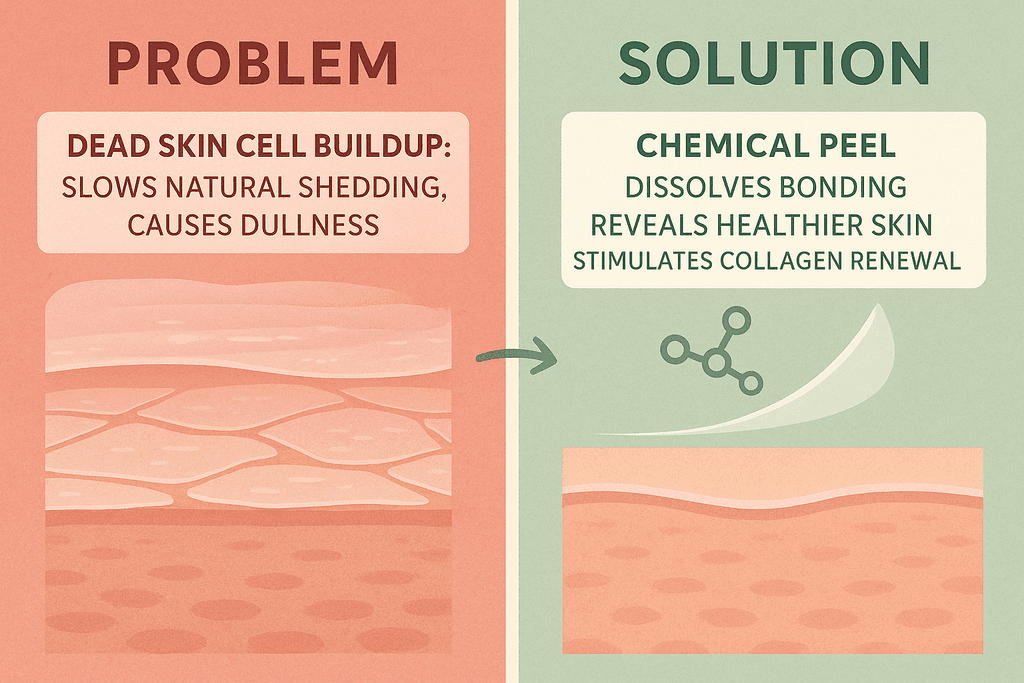
The depth a peel reaches depends entirely on which acid is used and how strong it is. Lighter peels only touch the very top layer of skin, while deeper peels can go several layers down. At Caleyo Wellness, our chemical peels are customized based on what your skin actually needs, whether that's clearing up dark spots or smoothing out rough texture.
What Happens During Treatment
When acid touches your skin, it starts working immediately. Here's the basic process:
- The acid solution breaks down proteins that hold dead skin cells in place
- Old, damaged cells start separating from healthy tissue below
- Your skin recognizes this as a controlled injury and kicks healing into gear
- New collagen and elastin fibers begin forming in the deeper layers
- Fresh skin cells move up to replace what was removed
The whole thing is carefully controlled. It's not random damage—it's planned skin renewal.
Why Different Acids Matter
Not all acids work the same way. Some are tiny molecules that sink deep into skin, while others are larger and stay near the surface. The combination of acid type and concentration determines how much peeling you'll see and what problems get fixed.
| Acid Type | Molecule Size | Penetration Depth | Best For |
|---|---|---|---|
| Glycolic Acid | Smallest | Deep | Fine lines, dullness |
| Salicylic Acid | Medium | Medium | Acne, oily skin |
| Lactic Acid | Larger | Shallow | Sensitive skin, hydration |
| TCA | Variable | Adjustable | Pigmentation, scars |
Your Skin Response
Everyone's skin reacts a bit differently to chemical peels. Factors like your natural skin thickness, oil production, and even genetics affect your results. Someone with thicker skin might need a stronger peel to see changes, while someone with thin, sensitive skin gets great results from gentler options.
The healing process also varies. Some people peel visibly for several days, while others just notice their skin feels tight and flaky. Both responses are normal—what matters is the fresh skin that appears afterward and the collagen building happening where you can't see it.
Superficial Peels for Quick Refreshment
Your skin sheds about 30,000 to 40,000 dead cells every single minute, but sometimes it needs a little help speeding up that process. Superficial chemical peels work on just the outermost layer of your skin, making them the gentlest option for people who want to improve their complexion without major downtime. These peels use mild acids to dissolve the bonds between dead skin cells, revealing fresher skin underneath. They're perfect if you're new to chemical peels or just want to maintain the results you've already achieved. Most people can return to their normal activities right after treatment, though your skin might look slightly pink for a few hours.
Superficial Peels for Quick Refreshment
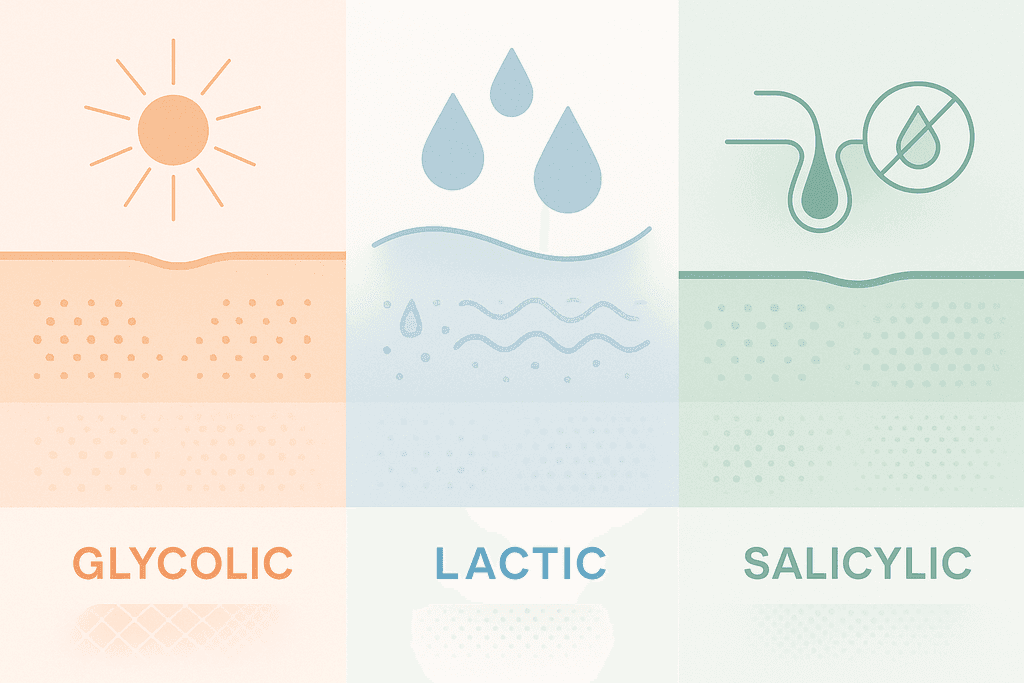
Glycolic acid peels are probably the most popular type of superficial peel. They come from sugar cane and work really well to brighten and smooth skin texture with minimal downtime. The molecules are tiny, so they can slip between your skin cells easily and break up the buildup that makes your face look dull.
- Lactic acid peels are gentler cousins of glycolic acid, derived from milk
- They hydrate while gently exfoliating sensitive skin, making them ideal for people with rosacea or easily irritated complexions
- Salicylic acid peels target acne and oily skin by clearing pores from the inside out
- This acid is oil-soluble, so it can dive deep into your pores to dissolve the gunk that causes breakouts
The catch with superficial peels is that they require multiple sessions for optimal results. You'll typically need a series of 4-6 treatments spaced a few weeks apart to see the full benefits. Think of it like going to the gym—one workout helps, but consistent sessions create real change.
| Peel Type | Primary Acid | Best For | Typical Downtime |
|---|---|---|---|
| Glycolic | Alpha Hydroxy Acid | Dullness, fine lines, uneven texture | 0-1 days |
| Lactic | Alpha Hydroxy Acid | Sensitive skin, hydration, mild discoloration | 0-1 days |
| Salicylic | Beta Hydroxy Acid | Acne, oily skin, enlarged pores | 0-2 days |
Medium-Depth Peels for Visible Transformation
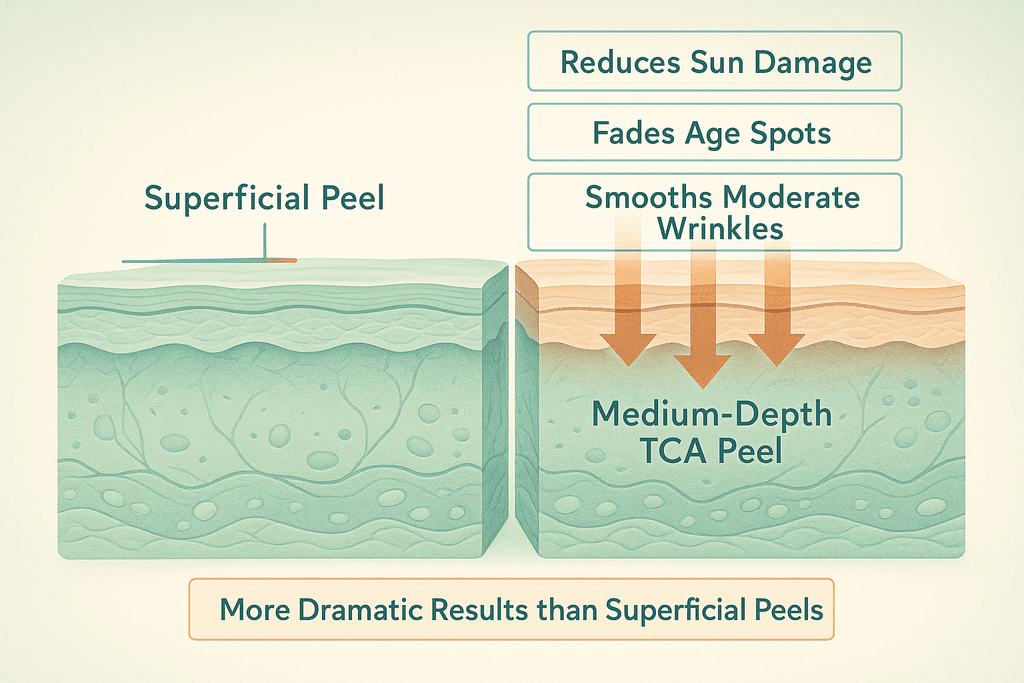
When superficial peels aren't quite enough to address your skin concerns, medium-depth peels step in to do the heavier lifting. These treatments penetrate past the surface layer into the upper part of your dermis, where more significant damage lives. TCA peels treat sun damage, age spots, and moderate wrinkles effectively by triggering a controlled injury that forces your skin to rebuild itself. The results are more dramatic than what you'd get from a superficial peel, but there's a tradeoff. Medium peels require more recovery time but deliver dramatic results that can last for months or even years with proper care.
Medium-Depth Peels for Visible Transformation
TCA stands for trichloroacetic acid, and it's been used in dermatology for decades because it works. The concentration can be adjusted based on how deep you need the peel to go, which gives providers a lot of flexibility in customizing your treatment.
Combination peels like Jessner's solution target multiple concerns simultaneously by mixing different acids together. A classic Jessner's peel contains salicylic acid, lactic acid, and resorcinol, creating a formula that addresses acne, pigmentation, and texture all at once. Research shows that these combination approaches often work better than single-acid peels for complex skin issues.
- Medium-depth peels stimulate significant collagen production for lasting improvement
- Your skin doesn't just look better on the surface—it actually becomes thicker and more resilient
- Expect about 5-7 days of peeling and redness after treatment
- Best for patients with moderate skin concerns seeking noticeable change in pigmentation or texture
At Caleyo Wellness, we use AI-powered skin analysis to determine exactly which type and strength of peel will work best for your specific concerns. This technology measures things like pigmentation depth and skin thickness that aren't visible to the naked eye.
Benefits of Medium-Depth Peels: More dramatic results, longer-lasting effects, addresses deeper skin damage, stimulates collagen production
Considerations: Requires downtime for healing, temporary redness and peeling, needs sun protection during recovery, not suitable for very dark skin tones without careful assessment
Deep Peels for Maximum Correction
Deep chemical peels are the most intensive option available, and they're not something to take lightly. Phenol peels provide the most dramatic results for severe skin damage, including deep wrinkles, extensive sun damage, and even precancerous growths. These treatments penetrate all the way through the epidermis and into the deeper layers of the dermis. The transformation can be remarkable, but it comes with significant considerations. Deep peels require significant downtime and careful post-treatment care—we're talking weeks, not days, of recovery time.
Phenol is a powerful chemical that essentially removes the damaged outer layers of skin completely. Your face will be red, swollen, and crusted for the first week or two after treatment. But once you heal, the results can take years off your appearance.
- These treatments address deep wrinkles, severe sun damage, and precancerous growths that other peels can't touch
- Results from deep peels can last for years with proper maintenance and sun protection
- Some people only need one deep peel in their lifetime
- Candidates must be carefully evaluated for safety and realistic expectations
Deep peels aren't right for everyone. People with darker skin tones face a higher risk of permanent pigmentation changes, and certain medical conditions can make the procedure unsafe. Medical experts emphasize the importance of thorough consultation before proceeding with deep resurfacing treatments.
Choosing the Right Peel for Your Skin Goals
Picking the right chemical peel isn't as simple as choosing the strongest option available. Skin type, concerns, and lifestyle determine the best peel choice for your individual situation. Someone with active acne and oily skin needs a completely different approach than someone dealing with sun damage and dryness. Your daily routine matters too—if you can't take a week off work, a deep peel probably isn't practical right now. Professional assessment ensures safe and effective treatment selection rather than guessing based on internet research.
Here's what actually matters when choosing between types of chemical peels:
Checklist for Choosing Your Chemical Peel:
- Your primary skin concern (acne, pigmentation, wrinkles, texture)
- How much downtime you can realistically handle
- Your skin tone and sensitivity level
- Whether you've had peels before or this is your first time
- Your budget and how many sessions you're willing to commit to
- Sun exposure in your daily life and ability to protect your skin
Combination approaches often deliver superior results for complex concerns that don't fit neatly into one category. Maybe you have both acne scars and sun damage, or fine lines mixed with uneven pigmentation. Layering different peel types or alternating between them can address multiple issues more effectively than sticking to just one.
At Caleyo Wellness, we don't believe in one-size-fits-all protocols. Our team uses AI-powered skin analysis for precise treatment planning, measuring factors like hydration levels, elasticity, and pigmentation depth that influence which peel will work best. This technology takes the guesswork out of the equation and helps us create truly customized peel protocols that address individual needs better than generic approaches. During your free discovery call, we can discuss your specific concerns and map out a treatment plan that fits your goals and lifestyle.
What Makes Medical-Grade Peels Different
Studies show that professional chemical peels deliver results up to 70% more effective than at-home alternatives, and the difference comes down to more than just strength. When you pick up a peel at the drugstore, you're getting a watered-down version designed for the lowest common denominator. Medical-grade peels use higher concentrations of active ingredients that actually penetrate deep enough to create real change in your skin. But here's the thing most people don't realize—strength alone isn't what makes them work better.
The real advantage is having someone who knows exactly what they're doing apply it to your face. Professional application ensures safety and minimizes complications that can happen when you're guessing at home. Your skin type, concerns, and goals all factor into which peel formulation works best, and that's not something you can figure out from a product label.
- Medical-grade formulations can address multiple skin concerns at once instead of targeting just one issue
- Professional providers adjust application time and technique based on your skin's real-time response
- Expert monitoring during treatment catches potential problems before they become complications
- Post-treatment protocols are customized to your specific peel and skin needs
At Caleyo Wellness, chemical peels aren't treated as standalone treatments. They're part of a bigger picture that might include microneedling, skin boosters, or targeted serums delivered through AQUAGOLD. This layered approach means you're not just getting one treatment—you're getting a protocol designed around your specific skin.
- Customized formulations can combine different acids and strengths in one session
- Pre-treatment prep and post-care products are medical-grade and matched to your peel
- Follow-up adjustments ensure you're getting the best possible results over time
The difference between types of chemical peels matters, but so does who's applying them. Choosing chemical peel benefits that actually show up on your skin means working with providers who understand the science behind each formulation and how to customize it for you.
Your Path to Clearer, Healthier Skin
Chemical peels aren't a one-size-fits-all treatment, and that's actually a good thing. Whether you're dealing with stubborn acne scars, sun damage that won't fade, or just want smoother texture, there's likely a peel that matches what your skin needs. The types of chemical peels range from gentle surface treatments you can do on a lunch break to deeper options that require some downtime but deliver more dramatic results.
The tricky part is figuring out which one actually makes sense for your skin. A light peel might not do much if you're dealing with deeper concerns, while jumping straight to a deep peel could be overkill for minor texture issues. That's where professional guidance becomes worth its weight in gold.
At Caleyo Wellness, we start with a detailed skin analysis to understand what's happening beneath the surface. From there, we create personalized peel protocols that match your specific goals and skin condition. Our dual board-certified providers have seen pretty much every skin type and concern, so they know how to balance effectiveness with safety.
The real benefit of choosing chemical peel benefits with expert oversight is that you're not guessing. You get a treatment plan that's actually designed for your skin, not just what worked for someone else. Plus, you'll know exactly what to expect during recovery and how to take care of your skin afterward.
Still have questions about which peel might work best for you? That's completely normal. Let's clear up some of the most common concerns people have before their first treatment.
Common Questions About Chemical Peels
Chemical peels can seem confusing at first, especially when you're trying to figure out which type fits your skin goals. Most people have similar questions before booking their first treatment, and understanding the basics helps you feel more confident about the process. Here are the answers to what we hear most often at our clinic.
How long do chemical peel results last?
It depends on the depth of the peel and how well you take care of your skin afterward. Superficial peels might give you a glow for a few weeks, while medium-depth peels can last several months. Deep peels offer the longest results, sometimes years, but they also require the most recovery time. Your skincare routine and sun protection habits play a huge role in how long you'll see benefits.
Are chemical peels safe for all skin tones?
Yes, but choosing the right type of chemical peel for your specific skin tone is critical. Darker skin tones are more prone to post-inflammatory hyperpigmentation, so lighter peels with gentler acids are usually recommended. At Caleyo Wellness, we use advanced skin analysis technology to assess your skin before recommending any treatment, which helps us avoid complications and get you the results you're looking for.
How much downtime should I expect?
Superficial peels usually mean little to no downtime, maybe some light flaking for a day or two. Medium peels can leave you peeling for about a week, and you might look a bit red during that time. Deep peels require the most recovery, sometimes up to two weeks of significant peeling and redness. Most people schedule medium or deep peels when they can stay home for a few days.
Can I combine chemical peels with other treatments?
Absolutely, and combining treatments often gives better results than doing them alone. Many people pair chemical peels with microneedling, skin boosters, or even neurotoxins depending on their goals. The key is timing and making sure your skin has healed properly between procedures. We map out treatment plans at Caleyo Wellness that layer different services safely and effectively.
How do I know which peel type is right for me?
It comes down to your skin concerns, your skin type, and how much downtime you can handle. Someone dealing with mild dullness might only need a light glycolic peel, while deeper wrinkles or scars might call for a TCA or phenol peel. A proper consultation with a trained provider is the best way to figure this out, and that's where our free discovery call comes in handy.
What's the difference between a spa peel and a medical peel?
Medical peels use higher concentrations of active ingredients and are performed by licensed healthcare providers who can go deeper and address more serious skin issues. Spa peels are gentler and focus more on surface-level refreshment. If you're looking for real, measurable improvement in things like pigmentation, scarring, or aging, a medical-grade peel is usually the better choice. The providers at Caleyo Wellness are dual board-certified, so you're getting clinical expertise with every treatment.