What to Look for in a Skincare Consultation for Different Skin Tones

```html
Most skincare advice treats all skin the same, but melanin-rich skin can react completely differently to treatments that work for lighter tones. What clears up one person's hyperpigmentation might darken someone else's, and generic product recommendations often miss these crucial differences. At Caleyo Wellness, our personalized skin assessment uses AI-powered technology to map your unique skin characteristics, ensuring every recommendation actually works for your specific tone and concerns.
```
Table of Contents
- The Science Behind Skin Tone Differences
- Essential Questions to Ask During Your Consultation
- Technology That Makes a Difference for All Skin Tones
- Red Flags and Green Flags in Skincare Consultations
- Building Your Personalized Skincare Plan
- Your Next Steps to Better Skin
- Common Questions About Skincare for Different Skin Tones
The Science Behind Skin Tone Differences
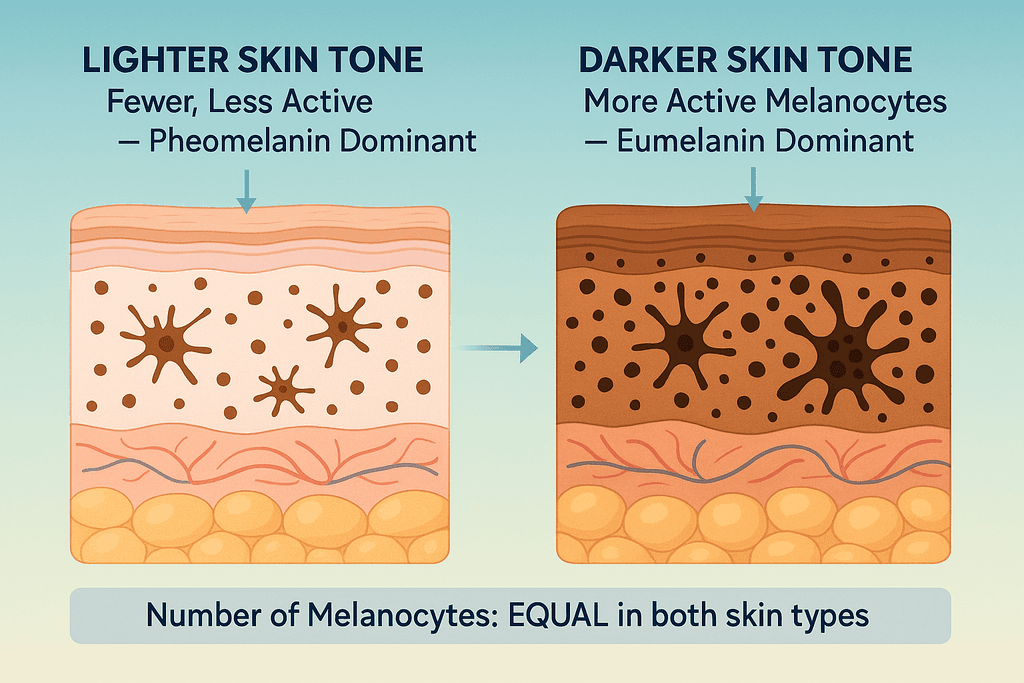
Your skin's color comes from melanin, a natural pigment that acts like your body's built-in sunscreen. People with darker skin tones have more melanin-producing cells called melanocytes working overtime, while lighter skin tones have fewer active melanocytes. But here's what most people don't know: everyone actually has roughly the same number of these cells. The real difference is how active they are and what type of melanin they produce. This simple biological fact changes everything about how skincare should work for different people.
Why Melanin Matters for Skincare
Melanin doesn't just determine your skin color. It affects how your skin reacts to treatments, heals from injuries, and responds to products. Darker skin tones have a higher risk of developing hyperpigmentation because their melanocytes are more reactive to inflammation and injury.
Common concerns that show up more in darker skin include:
- Dark spots that stick around for months after a simple pimple
- Uneven skin tone from old acne scars or sun exposure
- Keloid scars that grow beyond the original wound
- Ashy or dull appearance when skin gets dry
- Melasma patches that are harder to treat
The Fitzpatrick Scale and Its Problems
Doctors have used the Fitzpatrick scale since the 1970s to classify skin types from I to VI. Type I burns easily and never tans, while Type VI rarely burns and has the darkest pigmentation. But this system was originally designed just to predict sunburn risk, not to guide skincare treatments. Research on skin type characterization methods shows that modern approaches need to look at way more than just burn risk.
The scale misses important details like:
- Underlying skin tone versus surface pigmentation
- How skin responds to inflammation and injury
- Individual variations within the same Fitzpatrick type
Understanding Different Skin Characteristics
At Caleyo Wellness, our personalized skin assessment goes beyond basic color classification. We use an AI-powered Skin Analysis System that measures hydration, elasticity, pigmentation patterns, and texture. This technology helps us see what's happening beneath the surface, not just what shows on top.
| Fitzpatrick Type | Skin Characteristics | Common Concerns | Treatment Considerations |
|---|---|---|---|
| Type I-II (Light) | Burns easily, minimal tanning, often freckles | Sun damage, fine lines, redness, rosacea | Focus on sun protection, gentle exfoliation, anti-aging |
| Type III-IV (Medium) | Sometimes burns, tans gradually, olive or light brown | Uneven tone, mild hyperpigmentation, texture issues | Balanced approach, careful with aggressive treatments |
| Type V-VI (Dark) | Rarely burns, tans easily, brown to dark brown | Hyperpigmentation, keloids, ashy appearance, melasma | Conservative settings, focus on pigment control, longer healing time |
Why One Size Fits All Fails
Traditional skincare approaches were developed and tested mostly on lighter skin tones. That's why so many products and treatments either don't work or cause problems for people with darker skin. Skincare for diverse skin tones requires different ingredient concentrations, treatment intensities, and healing protocols. A chemical peel that works great on Type II skin might cause serious hyperpigmentation on Type V skin.
The right questions for skincare consultations should dig into your specific concerns, past reactions to treatments, and family history of skin issues. Generic advice based only on skin color leaves out too much important information.
Essential Questions to Ask During Your Consultation
Most people walk into a skincare consultation hoping the provider will just know what to do. But here's what most don't realize: not all providers have equal experience treating different skin tones, and the questions you ask can make or break your results. The right questions help you figure out if your provider truly understands melanin-rich skin or if they're just going to give you the same generic advice they give everyone else. This matters because treatments that work beautifully on lighter skin can cause serious problems like hyperpigmentation on darker tones.
Essential Questions to Ask During Your Consultation
Start by asking about their specific experience with your skin tone. Don't just accept a vague "yes, we treat all skin types." Ask how many patients with similar skin tones they've treated and request to see before-and-after photos of those patients.
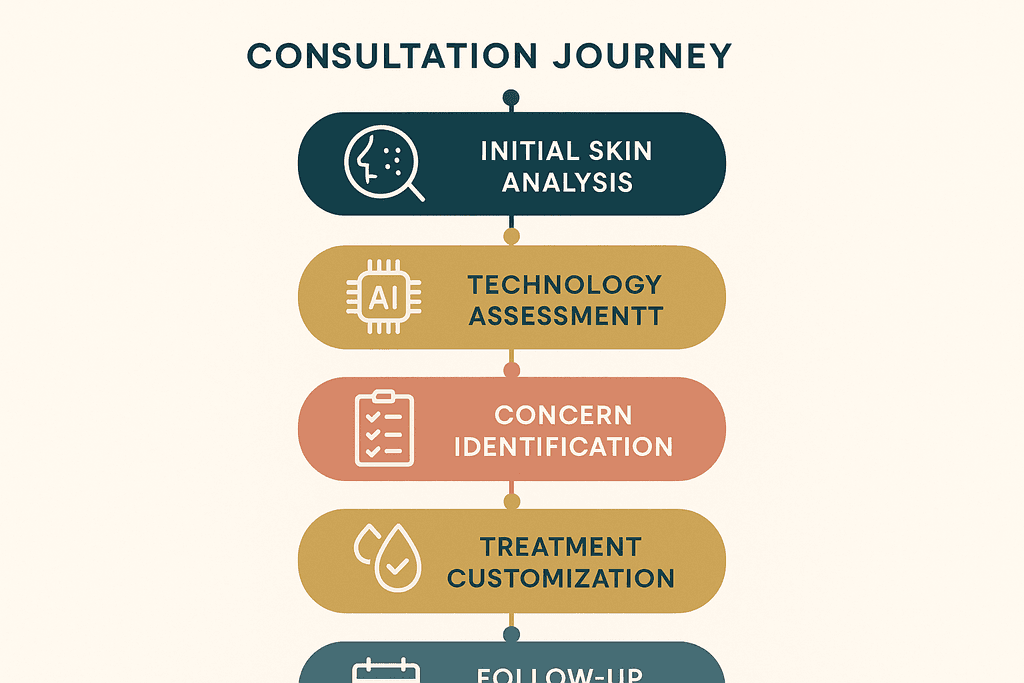
- What diagnostic tools do you use to assess my skin concerns?
- How do you customize treatments for melanin-rich skin?
- What are the specific risks of post-inflammatory hyperpigmentation with the treatments you're recommending?
- Which ingredients in your recommended products are proven safe and effective for my skin tone?
- How will you track my progress and adjust my plan over time?
The technology question matters more than you might think. At Caleyo Wellness, we use an AI-powered Skin Analysis System that captures details the human eye can't see, measuring everything from hydration levels to pigmentation patterns across all skin tones. This kind of precision makes a real difference in creating a plan that actually works for you.
Critical Questions Checklist
- How many patients with my skin tone have you treated?
- Can I see before-and-after photos of similar skin tones?
- What technology do you use for skin analysis?
- How do you prevent hyperpigmentation with treatments?
- What's your approach to customizing product recommendations?
- How often will we reassess and adjust my treatment plan?
Technology That Makes a Difference for All Skin Tones
A provider looking at your skin under regular lighting can miss a lot. Research shows that traditional visual assessments often fail to detect early signs of damage in darker skin tones, leading to delayed treatment or wrong recommendations. This is where advanced diagnostic technology becomes essential, not optional. The right tools can measure what's happening beneath the surface, catching issues before they become visible problems.

Technology That Makes a Difference for All Skin Tones
AI-powered skin analysis systems use specialized imaging to capture concerns that are invisible to the naked eye. These systems measure hydration levels, elasticity, pigmentation patterns, pore size, and texture with precision that works equally well across all skin tones.
According to research from the National Institutes of Health on skin care in ethnic populations, melanin-rich skin has unique characteristics that require specific assessment approaches. Standard visual evaluation often misses subtle changes in pigmentation that can indicate underlying issues.
- Advanced imaging captures UV damage and pigmentation issues before they're visible
- Precise measurements track changes over time with actual data, not guesswork
- Customized baselines for your specific skin tone and concerns
- Data-driven adjustments to your treatment plan based on real progress
The AI-powered system we use at Caleyo Wellness creates a complete picture of your skin health, which means your treatment plan is based on facts, not assumptions. This approach helps avoid the trial-and-error method that wastes time and money.
Key Stat: Studies indicate that visual assessment alone can miss up to 40% of pigmentation concerns in darker skin tones, while AI-powered analysis detects these issues with over 90% accuracy.
Red Flags and Green Flags in Skincare Consultations
Not all consultations are created equal, and knowing what to watch for can save you from wasted money and potential skin damage. Some providers treat every patient the same way regardless of skin tone, which is a recipe for problems. Others take the time to understand your specific needs and adjust their approach accordingly. The difference between these two types of providers shows up in both the questions they ask and the recommendations they make.
Watch out for these red flags that suggest a provider isn't equipped to handle diverse skin tones properly:
| Red Flags | Green Flags |
|---|---|
| Generic treatment recommendations without discussing your skin tone | Detailed discussion of how treatments are customized for your specific skin tone |
| No mention of hyperpigmentation risks | Proactive conversation about preventing post-inflammatory hyperpigmentation |
| Can't show before-and-after photos of similar skin tones | Portfolio of results from patients with your skin tone |
| Relies only on visual assessment | Uses advanced diagnostic technology for accurate analysis |
| Pushes one-size-fits-all product lines | Recommends medical-grade products selected for your specific concerns |
The team at Caleyo Wellness includes dual board-certified providers who work with diverse patient populations daily. This experience matters because it means they've seen how different skin tones respond to various treatments and can anticipate potential issues before they happen.
A free discovery call gives you the chance to assess whether a provider is the right fit before committing to treatment. Use this time to ask about their experience and approach to personalized skin assessment for your specific concerns.
Building Your Personalized Skincare Plan
A truly personalized skincare plan for diverse skin tones goes way beyond picking a few products off a shelf. It should include a detailed analysis of your current skin condition, clear goals based on your concerns, and a combination of treatments that work safely together for your specific skin tone. The plan needs to address both immediate concerns and long-term skin health, with regular check-ins to adjust as your skin changes. Without this level of customization, you're basically guessing at what might work.
Medical-grade products differ from over-the-counter options in their concentration of active ingredients and proven efficacy. For melanin-rich skin, this matters even more because you need ingredients that address concerns like hyperpigmentation without causing irritation.
- Comprehensive skin analysis using advanced diagnostic tools
- Customized product selection based on your skin's specific needs
- Treatment protocols adjusted for melanin-rich skin safety
- Integration of in-office treatments with at-home care
- Regular progress assessments and plan modifications
- Clear timeline and expectations for results
Treatments like chemical peels and microneedling require careful customization for different skin tones. The depth, strength, and frequency must be adjusted to avoid triggering hyperpigmentation while still delivering results. Resources like this guide on adapting skin care practices to your unique skin tone explain why these adjustments matter so much.
At Caleyo Wellness, the approach to results-driven regimens combines medical-grade products with advanced treatments like AQUAGOLD, skin boosters, and customized facials. Each element is selected based on your skin analysis data and adjusted as we track your progress over time.
Your Plan Should Include
- Detailed baseline assessment with diagnostic imaging
- Customized product regimen with medical-grade formulations
- In-office treatment schedule tailored to your skin tone
- Clear protocols for preventing hyperpigmentation
- Regular follow-up appointments for progress tracking
- Adjustments based on how your skin responds
- Long-term maintenance strategy for lasting results
The difference between a generic approach and a truly personalized one shows up in your results. When your plan is built specifically for your skin tone and concerns, you avoid the frustration of treatments that don't work or worse, cause new problems.
Your Next Steps to Better Skin
Getting the right skincare consultation for your specific skin tone isn't just about finding someone who offers facials or peels. It's about finding a provider who understands how melanin affects everything from how your skin heals to which treatments will actually work for you. The technology matters too, because guessing at what's happening beneath your skin's surface usually leads to disappointing results. At Caleyo Wellness, our AI-powered Skin Analysis System evaluates hydration, pigmentation, texture, and other key metrics to create a complete picture of your skin's needs.
Before you book any consultation, make sure you're asking the right questions. Does the provider have experience with your skin tone? What technology do they use for assessment? How do they customize treatments based on your specific concerns?
The best skincare consultations feel like a conversation, not a sales pitch. You should leave with a clear understanding of what's happening with your skin and a realistic plan to address it. Personalized skin assessment means looking at your unique combination of genetics, lifestyle, and goals, not just following a standard protocol.
If you're ready to work with providers who understand skincare for diverse skin tones, we offer a free 15-minute discovery call. It's a simple way to discuss your concerns, learn about our approach, and figure out if we're the right fit. No pressure, just honest conversation about what your skin actually needs.
Quality skincare isn't about spending the most money or trying every new trend. It's about finding someone who takes the time to understand your skin and creates a plan that actually works for you.
Common Questions About Skincare for Different Skin Tones
Getting the right skincare advice means asking the right questions. When you're looking for personalized skin assessment that works for your specific tone and concerns, it helps to know what to expect. Here are the most common questions people ask about skincare consultations for diverse skin tones.
Can all skin tones safely get chemical peels and laser treatments?
Yes, but the approach needs to be different. Darker skin tones have more melanin, which means certain treatments can cause hyperpigmentation or discoloration if not done correctly. A qualified provider will adjust the treatment intensity, choose specific formulations, and use proper protocols based on your skin tone. At Caleyo Wellness, our providers are trained to work with all skin tones and use medical-grade treatments that are customized to minimize risk while maximizing results.
How do I know if a provider has experience with my skin tone?
Ask directly during your consultation. A good provider will have before-and-after photos of patients with similar skin tones and will be comfortable discussing their experience. They should also explain how they modify treatments for different levels of melanin and what precautions they take. Our dual board-certified team at Caleyo Wellness works with patients across all skin tones and uses AI-powered skin analysis technology to create truly personalized treatment plans.
What's the difference between a regular facial and a medical-grade consultation?
A regular facial focuses on relaxation and surface-level cleansing. A medical-grade skincare consultation digs deeper into your skin's actual health using diagnostic tools and clinical assessment. You'll get a detailed analysis of hydration levels, elasticity, pigmentation patterns, and texture issues that you can't see with the naked eye. This data helps create a treatment plan that addresses root causes, not just symptoms.
How often should I have follow-up consultations?
Most people benefit from follow-ups every 4-6 weeks when starting a new skincare regimen. This gives your skin time to respond to treatments while allowing your provider to track progress and make adjustments. Once your skin stabilizes, you might stretch visits to every 2-3 months for maintenance.
Are certain ingredients better for darker skin tones?
Some ingredients work particularly well for concerns common in darker skin tones. Niacinamide helps with hyperpigmentation without irritation, while vitamin C brightens without harsh bleaching effects. Azelaic acid is gentle but effective for dark spots. The key is finding the right concentration and combination for your specific skin, which is where personalized skincare consultations for diverse skin tones make all the difference.
What should I expect during an AI-powered skin analysis?
The process is quick and painless. A specialized camera captures high-resolution images of your skin from multiple angles, and the AI system analyzes dozens of factors including pore size, pigmentation, fine lines, and moisture levels. You'll see visual maps of your skin's condition and get specific data about areas that need attention. This technology removes guesswork and creates a baseline to measure your progress over time.